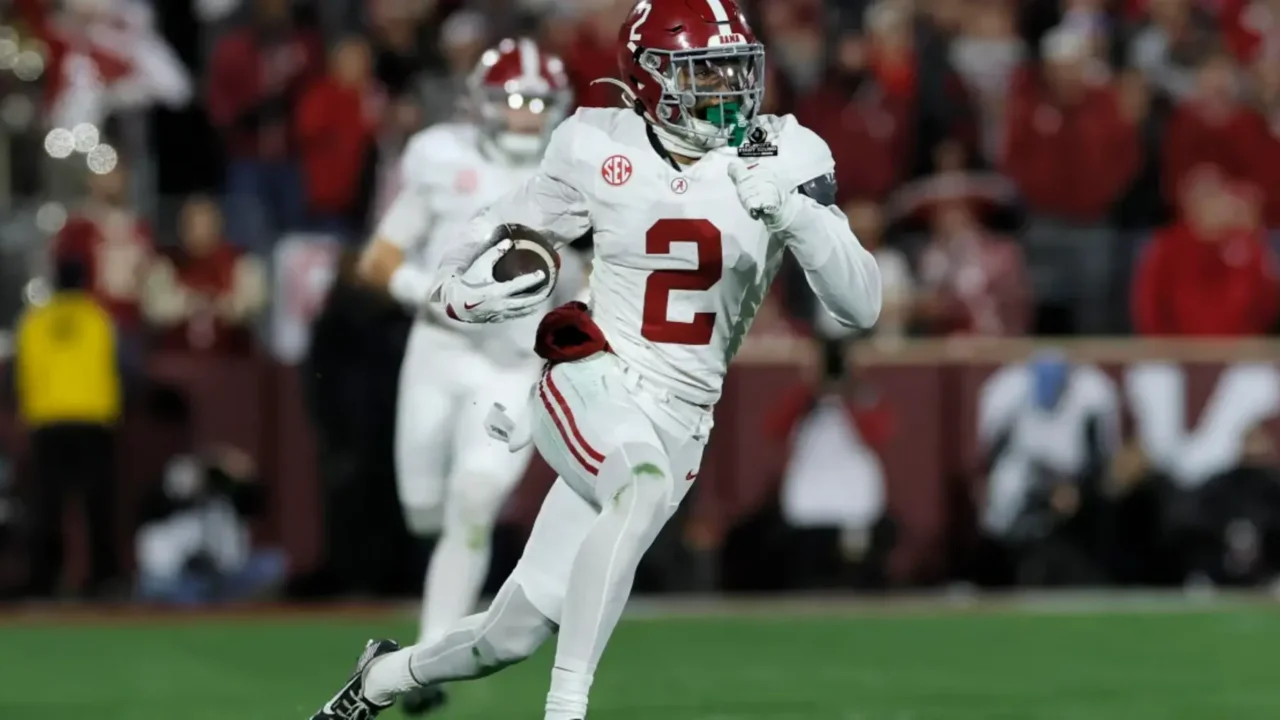
The Alabama cornerbacks group enters 2026 with continuity that immediately matters for the Tide’s pass defense and overall roster balance. Returning the core of a unit that ranked among the nation’s best in pass defense last season gives Alabama a stable platform to start fall camp.
This preview relies on the reporting linked here from Roll 'Bama Roll and focuses on who leads the room, which newcomers could carve roles, and how that depth maps to 2026 objectives.
Key Takeaways
- Alabama returns its primary cornerbacks from a unit that was one of the country’s top pass defenses in 2025.
- Zabien Brown has produced multiple game-altering plays and projects as the position’s clear leader heading into 2026.
- Dijon Lee overcame early struggles, wrestled a starting job away from Domani Jackson in 2025, and earned Freshman All-American recognition.
- Transfers and freshmen with length and speed provide quality second-team options while younger players likely begin on special teams.
Why Alabama cornerbacks return as a strength
Continuity is the first headline: Alabama returns its cornerbacks after a season that saw the Tide rank among the best in pass defense. That stability matters because the group already understands the communication and coverage rotations that powered those results.
Zabien Brown is the anchor of that continuity. He stepped up as a true freshman in 2024 and added a 100-yard interception return against Tennessee in 2025, giving him signature plays in high-leverage moments.
The depth around Brown includes contributors with clear developmental tracks. Chuck McDonald redshirted in 2025 after arriving from Mater Dei, and transfers and freshmen bring traits—length, speed, and upside—that fit Defensive Coordinator Kane Wommack’s prototypes.
Brown and Lee cemented as starters
Brown and Dijon Lee project as the first two on the depth chart heading into fall practice. Brown’s ball skills and game experience give him the inside track to lead the position group and take on more leadership responsibilities in 2026.
Dijon Lee’s arc is notable: his first college snap resulted in a deep touchdown allowed, but he improved steadily and wrestled a starting role away from Domani Jackson in 2025 before earning Freshman All-American recognition. That progression suggests Lee is ready to expand his role in perimeter run support and matchup coverage.
Departures that created openings are straightforward. Domani Jackson graduated and is now in the professional ranks, and Cam Calhoun transferred to Ohio State after failing to break into the depth chart, clearing room for younger players and newcomers to press for reps.
Newcomers pushing for snaps and role clarity
Alabama’s incoming group mixes transfers who provide immediate physical traits and freshmen with high upside. Carmelo O’Neal transferred from Mercer and is described as an athlete with length and speed who fits the perimeter prototype.
Nick Sherman is a Tuscaloosa native JUCO transfer who played wide receiver before switching to defense, and his recent conversion gives him developmental appeal. Zyan Gibson, an in-state recruit with elite track speed, is likely to make early contributions on special teams while he adjusts to the secondary.
Jorden Edmonds, a high-profile recruit from Georgia, stood out during spring work and pressures coaches to find playing time. Based on offseason visibility, the most likely second-team mix projects O’Neal and Edmonds ahead of other depth pieces for rotational snaps.
Cornerback continuity compared to 2025 unit
| Aspect | 2025 unit | 2026 projection |
|---|---|---|
| Pass defense standing | One of the nation’s best against the pass | Returns primary corners and begins camp with built-in cohesion |
| Top perimeter starters | Included Zabien Brown and emerging Dijon Lee | Brown and Lee expected to remain the top pairing |
| Departures and openings | Domani Jackson graduated; Cam Calhoun transferred | Openings filled by transfers and freshmen pushing for reps |
| Depth and special teams | Saw younger pieces in developmental roles | Expect freshmen and JUCO converts to begin on special teams while developing |
How Alabama cornerbacks affect SEC standings and CFP implications
A settled cornerback room removes a major question mark for the Tide as they enter a 2026 slate that will judge Alabama’s pass defense against top SEC offenses. Returning high-level performers at corner gives the defense continuity against conference receivers and route combinations that decide close games.
On recruiting and roster construction, visible playing time for transfers and high-profile freshmen signals Alabama’s continued ability to blend experienced veterans with ready-now athletes, which will appeal to prospects watching how quickly recruits can earn snaps.
The presence of established playmakers like Brown and an ascending starter like Lee lowers variance week to week, which is valuable in a 16-team SEC and in the College Football Playoff picture where one defensive breakdown can shift postseason hopes.