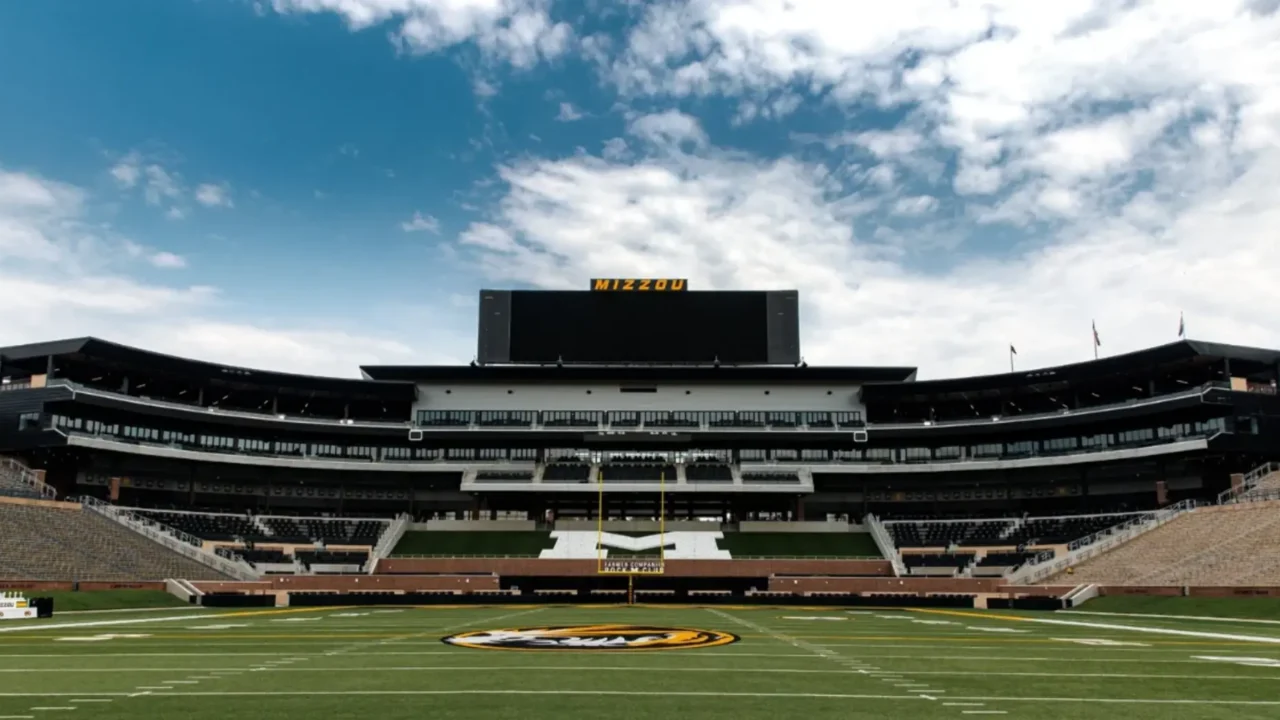
Faurot Field renovations are finished, and the changes are immediate for fans who plan to travel to Columbia. The Missouri Tigers have filled in the lower bowl, preserved the north end zone rock M and added premium seating that reshapes the gameday footprint.
Ticket availability and get-in prices changed as a result, and those details were outlined by On3 in reporting on the completed project and the early ticket release schedule for Mizzou’s upcoming home slate.
Key Takeaways
- Faurot Field renovations filled in the lower bowl while preserving the north end zone block M as a recognizable game-day feature.
- The project added luxury suites above the rock M and a smaller club-level area below, changing premium inventory at Faurot Field.
- Missouri reduced the amount of seatless general-admission space, which contributed to higher listed get-in prices for several home games.
- Limited tickets for all seven home games were placed on sale at a scheduled time, signaling constrained supply to fans and local ticket markets.
Faurot Field renovations change sightlines and premium spaces
Filling the lower bowl alters the visual and acoustic profile of Faurot Field for fans and players alike. The old hill in the north end zone — the place known simply as The Hill with its giant rock M — remains in place, but the footprint around it is tighter than before.
Rather than removing the rock M, Mizzou placed new luxury suites above it and created club-level seating below, a swap that shifts some of the stadium’s most affordable sightlines into premium inventory. Fans who once counted on sprawling green space to watch games now find the hill framed by new structural elements and a reduced general-admission area.
From a ticket-buyer’s perspective, the renovation trades cheap, seatless capacity for guaranteed seats with amenities. That trade-off improves certain sightlines and comfort for guests in suites and club sections, but it also changes how college towns like Columbia fill the lower-cost ticket pool before kickoff.
Lower bowl changes and sightlines
The preserved rock M keeps a visible piece of Faurot Field’s identity intact for incoming recruits and traveling fans. The M remains a focal point in the north end zone, and it will continue to be a photo and ritual spot for tailgaters and families.
Luxury suites installed above the rock M add revenue-focused inventory that attracts groups and donors, while the club-level space below provides a weather-protected option for season-ticket holders and premium buyers. The net effect is fewer wander-in, seatless viewing areas and more formalized, paid seating sections.
Game-day atmosphere will still include the hill’s tradition, but the compressed general-admission footprint means casual fans and walk-up buyers will feel the squeeze on availability and price when major conference opponents visit.
Ticket price and seating comparison table
| Opponent | Listed get-in price | Context |
|---|---|---|
| Arkansas-Pine Bluff | $45 | Lower-tier nonconference get-in price reflecting early-season matchup. |
| Troy | $50 | Modest nonconference price despite reduced general-admission real estate. |
| Florida | $180 | High-profile SEC opponent with steep get-in price tied to demand. |
| Texas A&M | $150 | Power-conference matchup with elevated ticket entry cost. |
| Texas | $210 | Premium opponent with one of the highest listed get-in prices for the season. |
| Kentucky | $90 | The only SEC get-in price listed below $100 in the reported pricing set. |
| Oklahoma | $120 | Another high-demand opponent with elevated entry cost. |
How Faurot Field renovations affect SEC home-field edge and recruiting
The finished renovation has clear implications for SEC home-field feel and recruiting conversations that staffers have on visits. A filled lower bowl changes the crowd dynamic and the visual signals recruits see when they tour the stadium and meet coaches on campus.
For recruits, the addition of suites and club spaces signals investment in amenities and donor support, and that matters when programs sell long-term visions. Reduced general-admission space also concentrates premium fans and can make certain home games feel more ticketed and controlled, which influences the impression visiting prospects take away.
On the competitive side, the ticketing changes may push more visiting fans to plan ahead for games in Columbia, and the compressed supply can add pressure to secondary markets and season-ticket resale. With the College Football Playoff conversation and SEC positioning increasingly tied to stadium atmosphere and revenue, the renovation shifts both financial and perceptual elements of Missouri’s program.
Local reporting first detailed the renovation timeline, preserved traditions and the listed get-in pricing that will govern early sales for the season. The source linked above carries the full breakdown of the project and the seven-game ticket release schedule.