The Texas Longhorns enter the season under intense national scrutiny as roster upgrades and returning playmakers create genuine expectation for a national championship run.
Staff shifts and an aggressive portal strategy have reshaped depth charts and practice-room competition, and that work is outlined in reporting from CBS Sports, which tracks the additions, returning leaders and narratives that will follow this team into the season.
Key Takeaways
- The Texas Longhorns combined a deep transfer haul with returning starters to create one of the more complete rosters on paper in college football.
- Arch Manning, coming off a season in which he passed for just over 3,100 yards, is the clear offensive cornerstone but must navigate improved defensive attention and pressure scenarios.
- Defensive staff turnover and an earlier offseason competition period are designed to produce steadier results, but in-season cohesion remains a primary concern.
Staff moves and scheme reset
The program shifted more team-building into spring and summer windows, trading a traditional August ramp for earlier competition points on campus.
Coaches leaned into a competition-driven approach, converting practices into small-team contests to accelerate decision-making and clarity for depth charts.
The staff also pursued changes aimed at shoring up in-game play-calling and defensive fundamentals after a season that fell short of playoff expectations.
Offseason culture and on-field objectives
July work emphasized physical ownership and situational play, with coaches prioritizing reps that simulate late-game pressure and short-yardage battles.
That emphasis was intended to address early-down rushing issues and situational defense performance that previously created third-and-long scenarios.
By setting those standards earlier in the calendar, the staff expects younger contributors and portal additions to arrive with clearer roles and expectations.
Arch Manning and offensive outlook
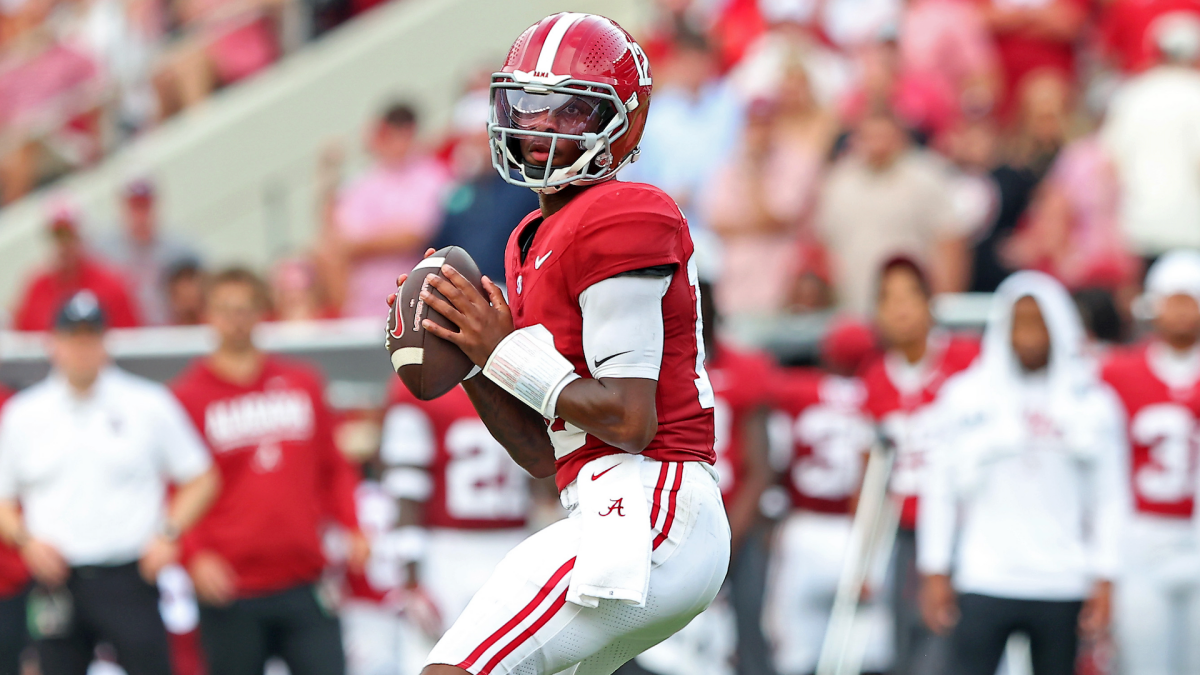
Arch Manning stands as the central axis for Texas’ title hopes after completing a season that produced just over 3,100 passing yards and stronger efficiency in the season’s back half.
His Citrus Bowl rushing output and late-season production highlighted dual-threat elements that opponents must now game-plan for more deliberately.
How Manning handles consistent early pressure and whether the influx of perimeter weapons and running back depth translate to a more balanced attack will shape Texas’ trajectory.
Play caller expectations and personnel fit
Offensive scheming has targeted a marriage of Manning’s pocket accuracy with a deeper running rotation to reduce third-and-long exposure.
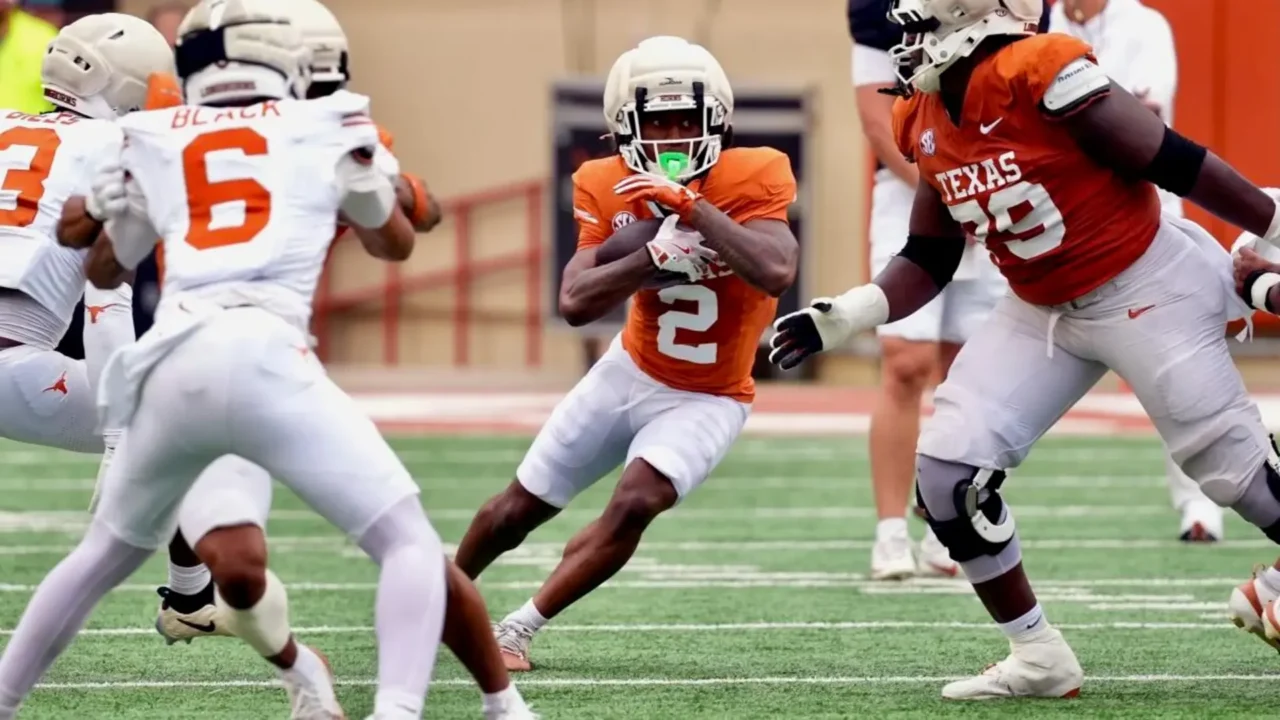
Transfer additions at perimeter skill positions and backfield depth are intended to force defenses to respect both inside and outside rushing lanes while opening intermediate passing windows.
Coaches will monitor how quickly new pieces integrate into protections, route timing and red-zone rotations during early-season windows.
Roster turnover and returning production
| Roster slice | What it brings |
|---|---|
| Transfer additions | Experienced playmakers were added to provide immediate perimeter and backfield production and to shore up depth across skill positions |
| Returning core | Key contributors from last season remain, including the team’s primary pass rusher and established starters who supply continuity on both lines of scrimmage |
| Depth and competition | A large offseason signing class and portal haul were used to create position-group battles and reduce exposure in early-down rushing and situational defense |
The roster blend intentionally pairs proven college producers with younger pieces to speed readiness at high-leverage spots on offense and defense.
That construction gives the staff optionality in rotations, allowing for matchup-based substitutions and more sustainable snap sharing across the season.
How this roster shapes Texas Longhorns chances in the SEC and College Football Playoff
On paper, depth and the transfer infusion push Texas into the short-list of national title favorites, but the season-opening slate will test the rebuild’s cohesion far earlier than in past cycles.
A nonconference rematch and a sequence of road and neutral-site tests in the first half will indicate whether the Longhorns can sustain an SEC title race and build the resume required for a College Football Playoff berth.
Reaching the playoff will hinge on consistent quarterback play, an improved run game that sustains drives, and a defense that avoids mid-season lapses against top opponents.
This analysis is grounded in the reporting linked above.