Defenses in the SEC should be circling Ole Miss on their pre-season scouting sheets because the Ole Miss run game now combines a proven feature back with purposeful schematic conflict and useful depth.
The core ingredients are clear: Kewan Lacy returned for his junior season, Trinidad Chambliss remains the quarterback, and the Rebels added productive backs via the transfer portal as change-of-pace options, as reported by Ole Miss Rebels On SI
Key Takeaways
- The Ole Miss run game features Doak Walker winner Kewan Lacy returning as the primary rushing threat for a junior season.
- Makhi Frazier and Joshua Dye were added via the transfer portal to provide depth and complementary styles to the backfield.
- John David Baker plans to keep the offense largely intact while adding targeted tweaks that preserve the run-pass conflict.
- If the pieces click, the Rebels’ combination of tempo, spacing and a dominant lead back could force opponents into uncomfortable defensive choices.
Why the Ole Miss run game could lead the SEC
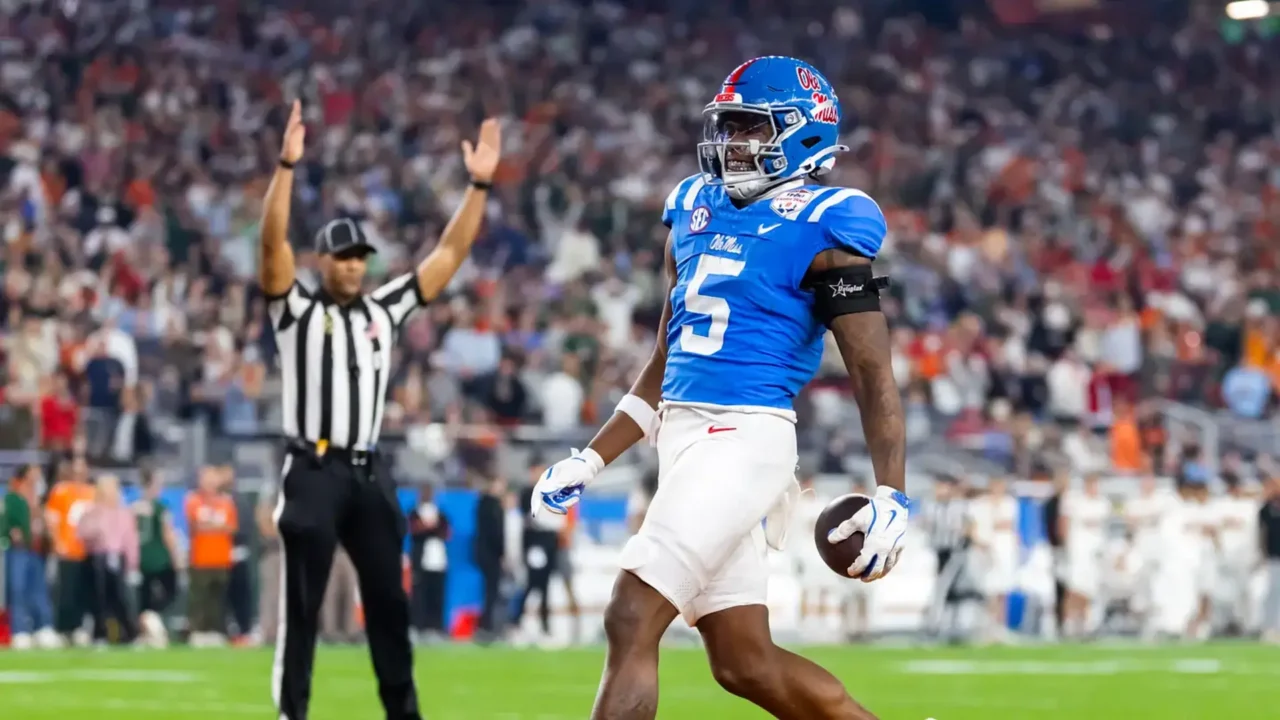
Kewan Lacy gives Ole Miss an immediate claim to elite rushing production because he returns after a season that resulted in national recognition and awards.
Lacy transferred from Missouri and followed that move with a breakout campaign that included winning the Doak Walker Award behind 1,567 rushing yards and 24 touchdowns, so his presence alters how opponents defend the Rebels.
Beyond Lacy, the offense’s identity of high tempo and wide formations forces defensive staffs to choose between defending the pass or the run, creating a conflict Ole Miss can exploit.
Backfield roles and scheme fit
The pecking order in Oxford is straightforward: Lacy is the go-to option, especially in late-game and short-yardage situations where his production and finishing instincts matter most.
Ole Miss supplemented that certainty by adding Makhi Frazier and Joshua Dye through the transfer portal, both of whom bring differing skill sets and recent production to the room.
Frazier led his previous team with 520 yards on 116 carries and projects as a between-the-tackles complement and rotational downhill option. Dye produced 1,831 rushing yards and 28 touchdowns and projects as the change-of-pace threat who can stress defenses horizontally and in the open field.
Scheme-induced conflict and quarterback fit
John David Baker has said the offense will remain familiar to returning players while receiving targeted adjustments, so the Rebels will keep their high-tempo spacing creed intact.
That approach forces opponents into a lighter box to cover the outside, which benefits downhill runners who can exploit interior creases when the defense commits to perimeter coverage.
Trinidad Chambliss remains the signal-caller, and his presence paired with a new cast of receivers preserves the run-pass conflict that made the offense difficult to prepare for last season.
Rushing production comparison and context
| Player | Recent Production | Role at Ole Miss |
|---|---|---|
| Kewan Lacy | 1,567 rushing yards and 24 touchdowns | Feature back and clear first option on early downs and goal-line work |
| Makhi Frazier | 520 rushing yards on 116 carries | Rotational, between-the-tackles complement and situational runner |
| Joshua Dye | 1,831 rushing yards and 28 touchdowns | Change-of-pace threat who can stress defenses horizontally and in the open field |
According to local reports, the roster moves and production figures above frame how the staff plans to manage snaps and tempo going forward.
SEC race and recruiting impact of Ole Miss run game
A top-tier rushing attack changes how the Rebels are evaluated inside the conference because it can shorten drives, tilt time of possession, and create easier paths to complementary scoring opportunities.
On the recruiting trail, having a Doak Walker winner return and a backfield stocked with productive transfers will be a clear pitch for prospects who want to compete in a run-focused environment, and that pitch can improve Ole Miss’s positioning in a 16-team SEC and the College Football Playoff era.