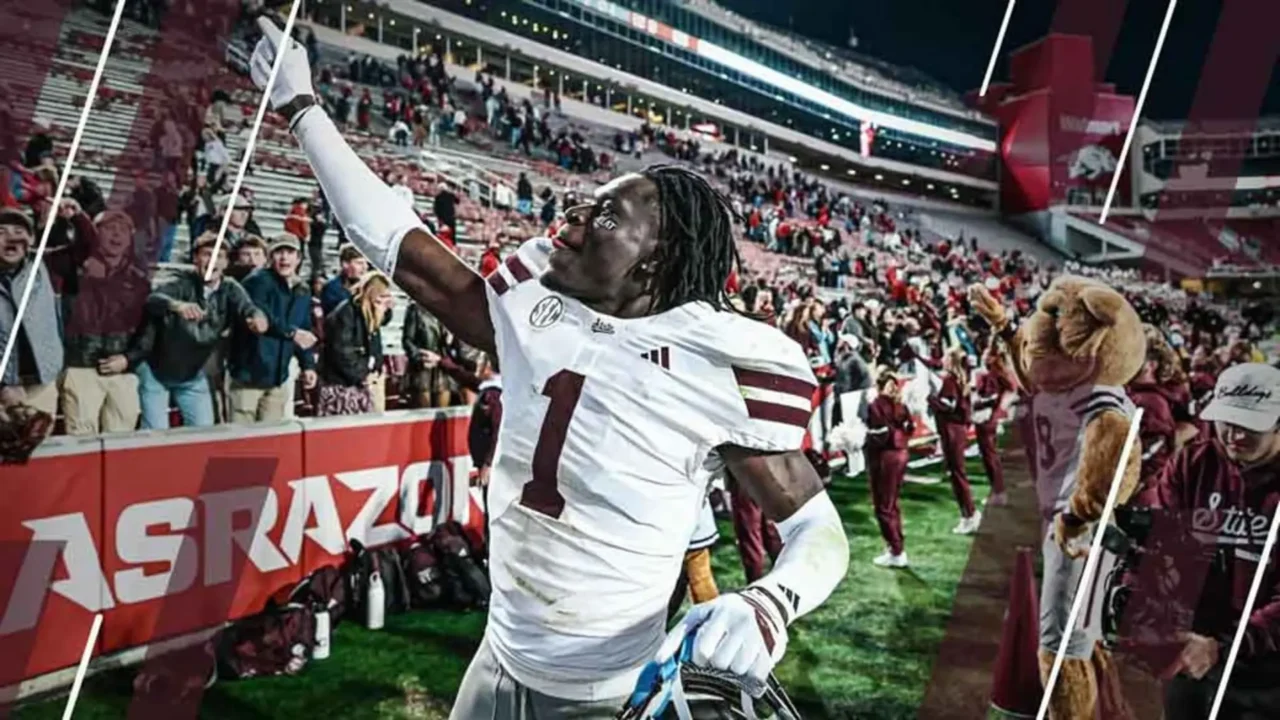
Mississippi State Bulldogs enter 2026 with momentum from their first bowl appearance in three years and a roster that highlights clear strengths and pressing questions for Starkville fans.
As detailed by The Katy News, Kamario Taylor is penciled in as the team’s quarterback while Kelley Jones anchors what the report describes as a talented secondary, and the program faces significant questions along both offensive and defensive lines.
Key Takeaways
- Mississippi State Bulldogs enter 2026 looking to build on a bowl appearance that ended a multi-year drought.
- Kamario Taylor is identified as the quarterback tasked with moving the offense forward.
- Kelley Jones heads a secondary that the reporting labels as a clear strength for the roster.
- Offensive line concerns and defensive line uncertainty are the primary areas that could limit the team’s ceiling.
Kamario Taylor and the secondary
The quarterback situation centers squarely on Kamario Taylor as the player expected to lead the offense into the season.
Public reporting places Taylor as the starter without attaching statistical forecasts, which leaves his development, decision-making, and health as the variables that will determine offensive pace and consistency.
The secondary, led by Kelley Jones, is the defensive unit drawing the most praise in preseason coverage, with PFF Grades and advanced metrics mentioned as supportive evidence of the group’s capability.
That praise is not a guarantee; depth and matchup-specific performance will be critical once SEC opponents begin to attack via tempo and varied route concepts.
Offensive and defensive line status
The preview identifies both trenches as the areas with the most uncertainty entering 2026, and that assessment carries immediate implications for play-calling and roster construction.
Offensive line concerns are framed as the primary barrier to unlocking a more explosive passing and run game, since protection and push up front dictate how aggressively the staff can scheme.
Defensive line uncertainty compounds matters on the other side of the ball by limiting pass rush consistency and run-stopping reliability, which places extra pressure on the secondary to perform at a high level every week.
Recruiting and offseason development are presented as the likely levers for improvement, with the staff expected to lean on incoming classes and internal competition to shore up depth before conference play begins.
Mississippi State Bulldogs returning production and PFF Grades
| Position group | Returning context | PFF signal referenced |
|---|---|---|
| Secondary | Kelley Jones leads a group described as talented and central to the defense’s identity | Report cites positive PFF attention to secondary play without specific numerical grades |
| Offensive line | Significant questions remain about continuity and production up front | Report references PFF and advanced metrics as highlighting concerns along the line |
| Defensive line | Uncertainty around depth and consistent pass rush production | PFF context in the preview points toward the line as a developmental priority |
The table pairs verifiable roster context with the advanced-metric framing included in the reporting, without inventing proprietary grades or specific numerical rankings.
SEC standings and College Football Playoff path for Mississippi State
In the 16-team SEC era, roster balance matters more than ever; a strong secondary offsets some front-seven issues, but sustained success will require line play that can win early downs and generate turnovers.
Mississippi State’s realistic path to the College Football Playoff hinges on improved play in the trenches and clean quarterback play from Kamario Taylor, combined with signature wins inside the conference that boost both résumé and perception.
NIL remains a background factor across the conference, influencing recruiting and roster maintenance; the program will need to match regional competitors on multiple fronts to keep depth consistent throughout a long SEC slate.