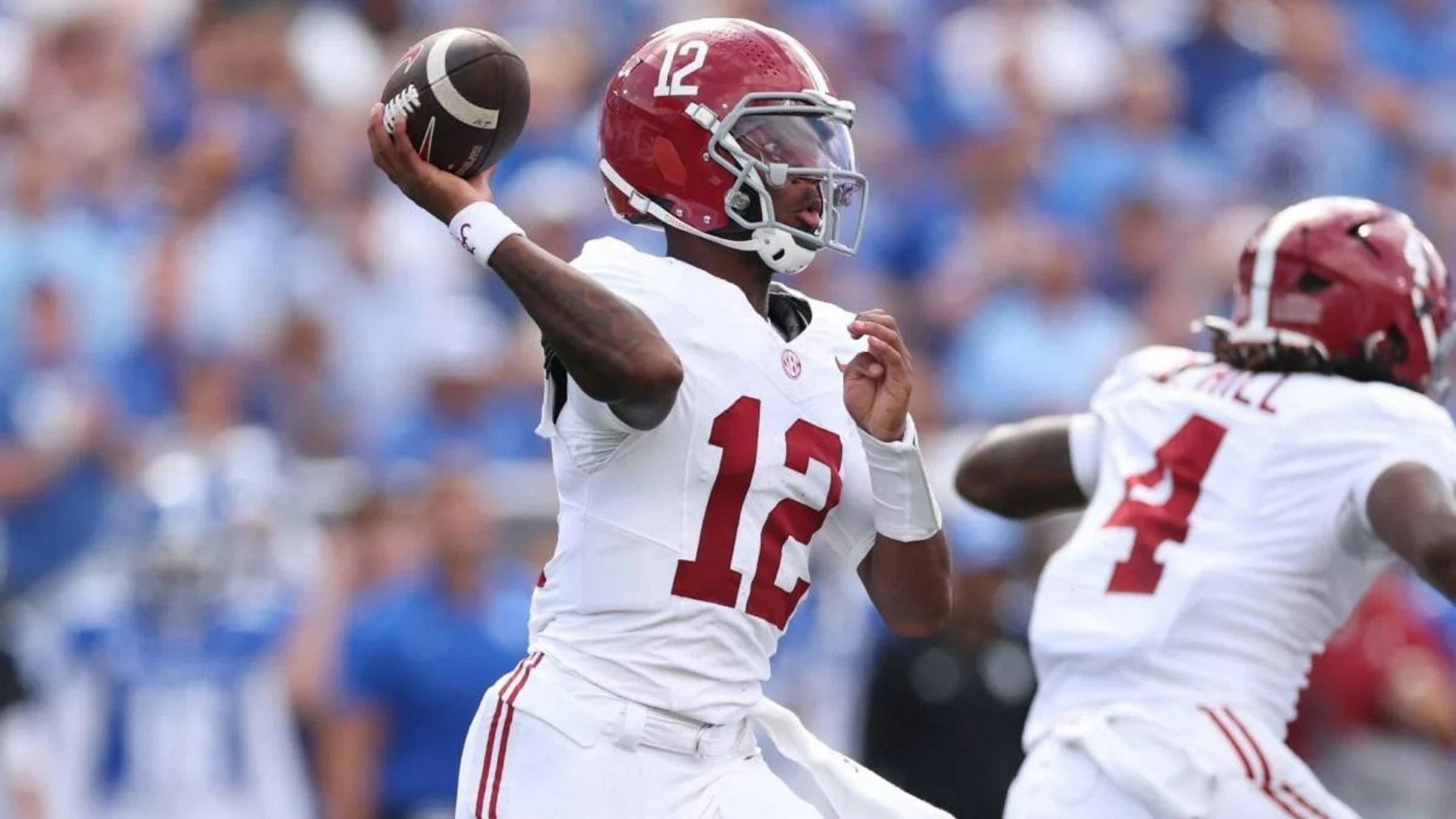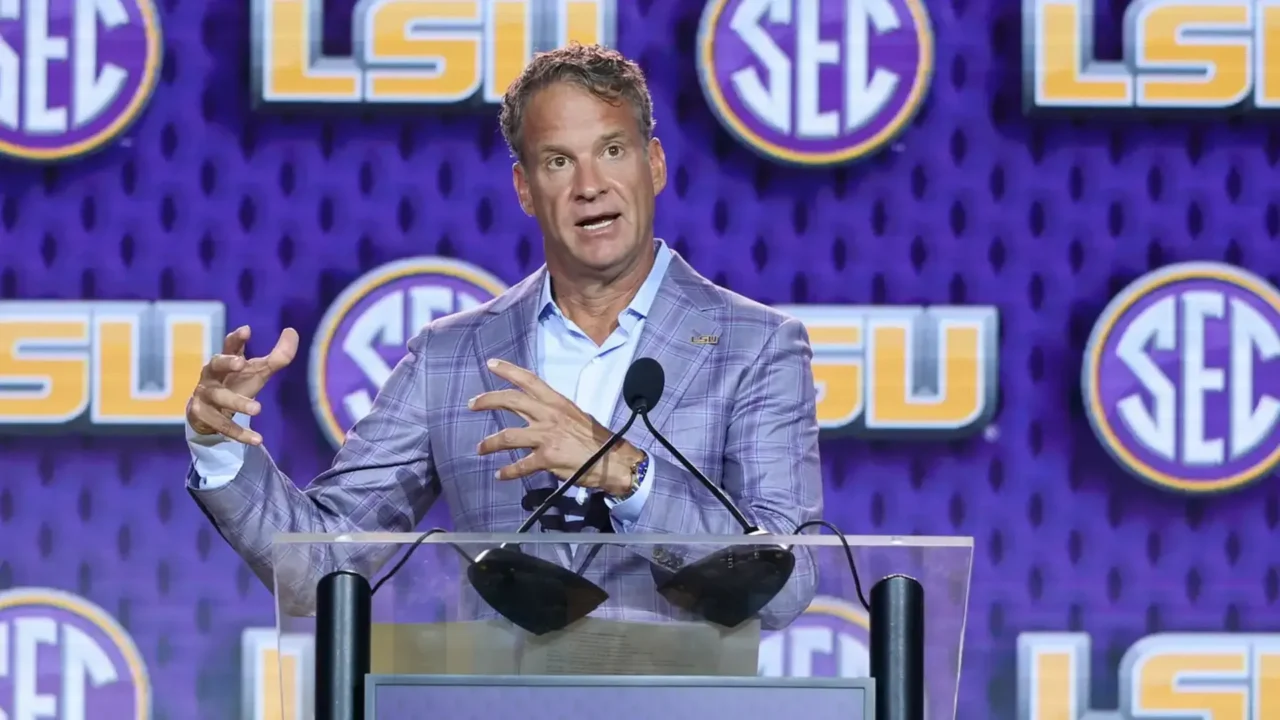
Lane Kiffin didn’t inherit a roster at LSU so much as remake it: more than 60 new faces now populate the 2026 depth chart, a scale of turnover that rewrites the program’s immediate expectations and timelines. The LSU roster rebuild is a win-now push that pairs the nation’s top-ranked transfer class with a coaching staff largely transplanted from Oxford.
The speed and scope matter because those new players must learn new schemes and build rapport in weeks, not years; reporting from LSU Tigers On SI laid out the names and structure behind the overhaul, including the transfer class headliners and staff continuity. How quickly that many pieces can gel before game one is the central question for Baton Rouge fans and SEC opponents alike.
Key Takeaways
- More than 60 players on LSU’s 2026 roster are new to the program, forming one of the largest turnover surges in modern college football.
- The transfer class is nationally ranked No. 1 and is headlined by quarterback Sam Leavitt, offensive tackle Jordan Seaton and defensive end Princewill Umanmielen.
- Lane Kiffin brought nearly his entire offensive staff from Ole Miss, meaning new players are learning schemes from coaches who already work together.
- Early fall camp showed both offensive friction as players adjust and public optimism from Kiffin about the group’s trajectory.
How Kiffin rebuilt LSU roster
Kiffin’s approach was surgical: recruit transfers and high school signees as a single class and staff the operation with coaches who understand his system. He framed that plan repeatedly, saying he views transfer classes and high school classes like an NFL draft and free agency happening at once.
The practical effect at LSU has been a roster where veterans from other Power Five programs, JUCO standouts and D-II contributors arrive together and must be taught the same playbook by a largely intact staff. Kiffin has defended the strategy against charges it’s a short-term gamble, noting many portal signees have two or three years of eligibility and can form the basis of multi-year continuity.
Fall camp has been used as an intentional proving ground. Kiffin admitted there was early offensive concern—”There’s a ton of work to still be done there,” he said—but also expressed unusual early satisfaction: “I’m very pleased where our team is actually, which I’m normally not right now, but obviously we’ve got a lot of work to do.” Practices have been pushed to create game-level stress and accelerate cohesion across background differences.
Roster turnover compared to typical rebuilds
| Comparison factor | LSU 2026 | Typical SEC rebuild |
|---|---|---|
| Scale of turnover | Over 60 new players across the roster, combining top transfer and high school classes | Most rebuilds add a mix of transfers and freshmen but rarely exceed a single-season majority turnover |
| Staff continuity | Nearly the entire offensive staff moved with Kiffin, providing schematic continuity for play callers and position coaches | Coaching changes often bring new systems; staff turnover varies but seldom mirrors an intact unit arriving together |
| Top-end talent | Class is ranked No. 1 nationally and includes high-profile transfers at quarterback, offensive line and defensive line | Typical rebuilds may upgrade one or two impact positions via the portal but rarely claim the top-ranked transfer class |
SEC and CFP implications for LSU roster rebuild
The immediate SEC impact is straightforward: LSU’s roster turnover raises the program’s ceiling while also creating short-term variance. If a critical mass of transfers adapts quickly, LSU can compete for the West and push into the CFP conversation; if the new pieces underperform or fail to cohere, expectations will drop rapidly in a conference that punishes early-season missteps.
Recruiting implications extend beyond a single class. Kiffin’s model presents a pathway where transfers and signees are evaluated together, which could appeal to prospects seeking a clearer depth chart and established coaching continuity.
For LSU, the short-term objective is clear: convert talent into consistent on-field performance quickly enough to preserve postseason positioning and sustain recruiting momentum. The longer-term test will be whether the transfer-heavy core becomes a retained foundation rather than a one-year rental.
This analysis drew from the feature linked above and on-site reporting about fall camp, staff movement and the makeup of the transfer class.