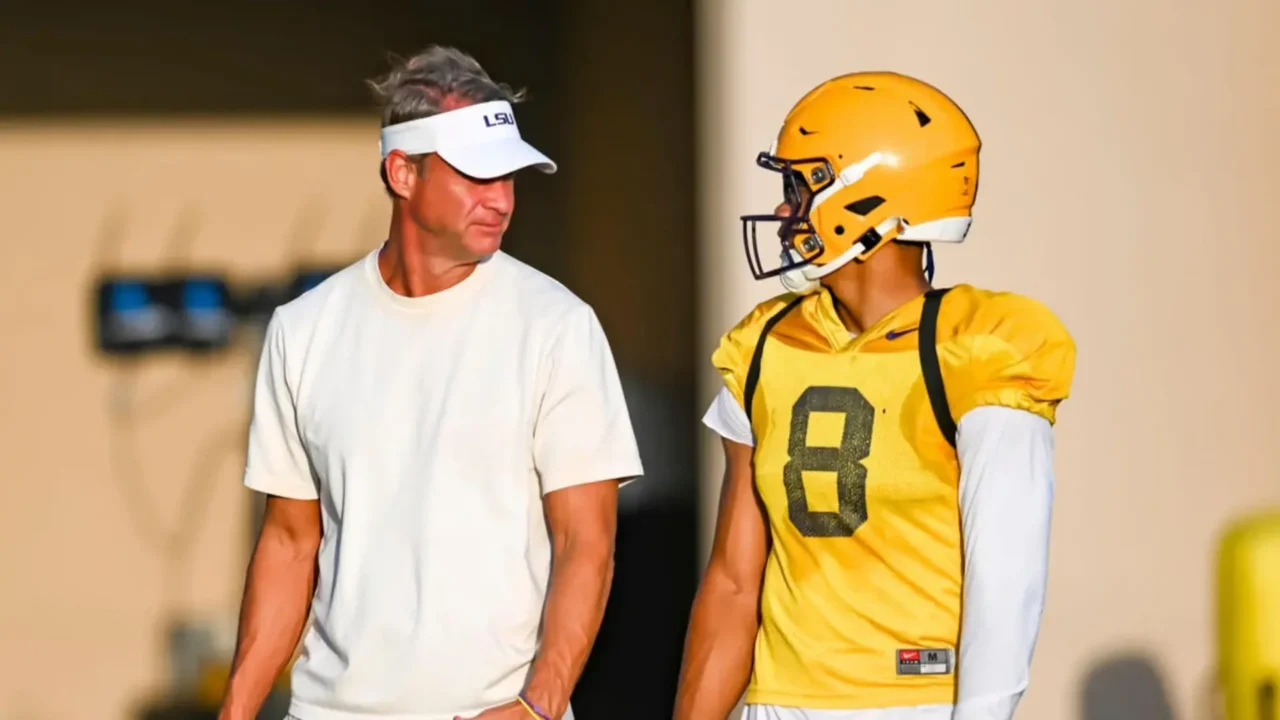
Lane Kiffin LSU NFL-to-college transfers have become the flashpoint in a national debate over who gets to play college football after a professional stint
The Tigers signed multiple former NFL players and leaned on a Louisiana court order to challenge NCAA eligibility language, a move detailed in a report from CBS Sports that has pushed other conferences to consider rules of their own
Key Takeaways
- LSU signed three former NFL players — Zxavian Harris, Dae’quan Wright and Junior Tuihalamaka — to test NCAA eligibility rules.
- A Louisiana judge issued a temporary order that has allowed some plaintiffs to seek return to Division I athletics if they end professional agreements or repay money received.
- Reports indicate LSU contacted players and representatives to encourage litigation that could reopen eligibility, prompting conferences to consider prohibitions on adding former NFL players.
- Some programs have declined to pursue former pros over locker-room and roster concerns, while LSU has taken an aggressive roster-building posture.
Lane Kiffin LSU NFL-to-college transfers strategy
The on-field and legal push has been deliberate: LSU identified former NFL players and made contact with players or their representation to encourage challenges to NCAA rules
The Tigers have added Zxavian Harris, Dae’quan Wright and Junior Tuihalamaka, and sources say Kiffin and LSU held conversations with other players still in NFL camps ahead of roster cut deadlines
Kiffin framed the approach as competitive advantage, saying the program recruited these players once the legal openings appeared: “At the end of the day, through these injunctions, they’re going to play for you or play somewhere else around the country. So (shrugs) we made the decision to recruit them, like most people probably are.”
The move amplified friction with other programs and coaches; Browns head coach Todd Monken said he had a call from Kiffin during camp that Kiffin later disputed
Court orders and conference rules compared
| Element | Louisiana injunction | Proposed conference bans |
|---|---|---|
| Legal basis | The order temporarily restrains enforcement that would bar plaintiffs from competing in Division I if they terminate contracts or repay money received prior to playing | Conference proposals aim to prevent member programs from adding former NFL players regardless of court actions, creating a policy-level prohibition |
| Scope | Applies to named plaintiffs and the terms of the judge’s order; plaintiffs’ lawyer believes it could allow intraconference transfers | Would apply broadly to all member schools and prospective additions, not limited to specific litigants |
| Immediate roster effect | Has allowed at least some former pros to enter the transfer portal and sign with schools that believe the order shields them from conference transfer restrictions | Would curtail programs from recruiting former NFL players and could block additions that courts otherwise permit |
How the Louisiana order has reshaped recruiting and team makeup
Programs that see competitive upside have moved quickly to add experienced players who can contribute immediately, and LSU has been the most visible example
That approach has created tension inside conferences because some schools worry about disrupting chemistry and cutting walk-ons or younger players who helped through spring and summer
LSU’s willingness to test legal openings has extended beyond football, with a separate temporary injunction in Louisiana allowing RJ Luis Jr. to suit up for the basketball team after professional stints that included multiple NBA contracts without regular-season action
SEC transfer policy and roster implications
The SEC faces a governance challenge as campuses pursue different strategies and presidents and chancellors consider whether to mirror other conferences’ moves to block former pros
Several league members have reserved judgment, while reports suggest the Big Ten moved toward a vote to prohibit adding former NFL players and other leagues weighed similar bans, increasing pressure on the SEC to define a consistent policy
The dispute centers on whether a state court injunction aimed at plaintiffs can be used to sidestep an intraconference transfer policy that normally restricts SEC-to-SEC movement outside designated windows
Some athletic departments have declined to recruit former professional players over concerns about locker-room impact, while LSU has embraced a higher-risk posture that combines legal strategy with roster construction