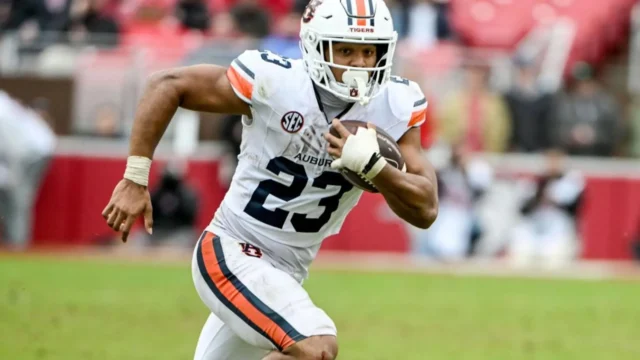
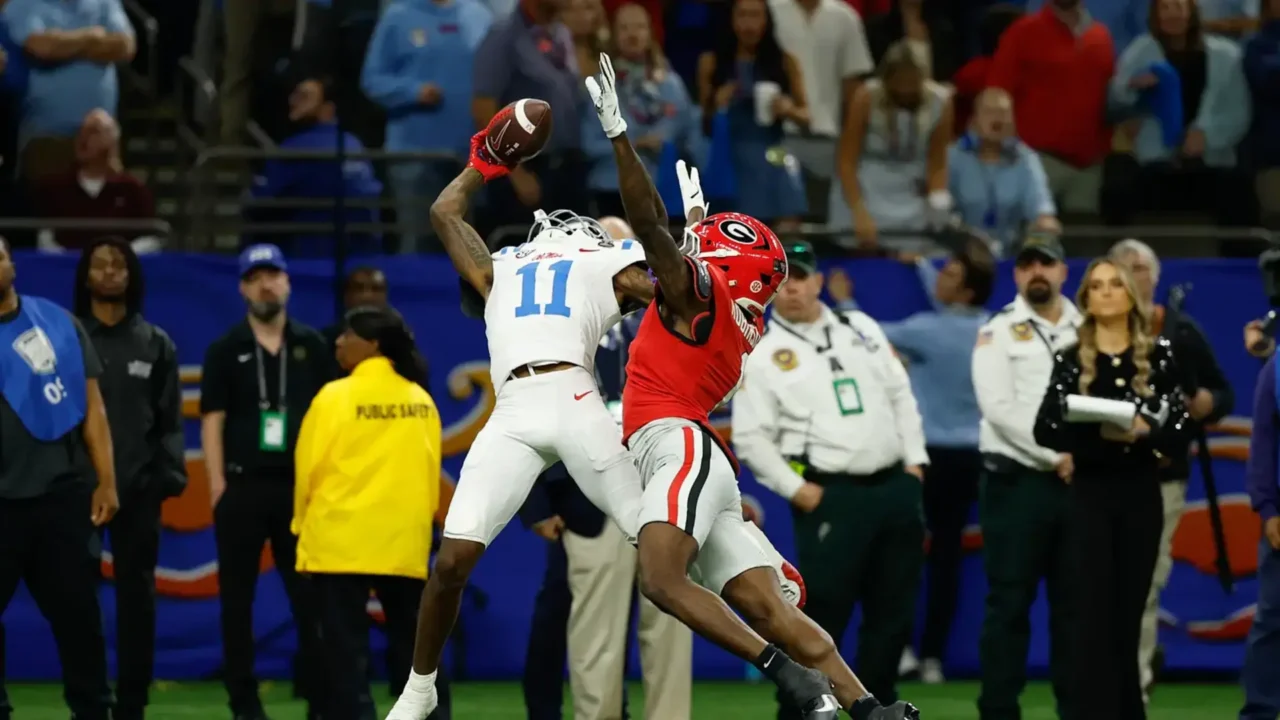
The Ole Miss receiving corps is the single biggest roster question as the Rebels prepare for the season opener against Louisville at Vaught-Hemingway Stadium.
The roster picture is otherwise set and the return of Trinidad Chambliss and Kewan Lacy gives the offense clear continuity, but replacing the lost receiving production remains unresolved, as reported by Sports Illustrated.
Key Takeaways
- Ole Miss receiving corps must replace roughly 3,000 yards of production from last season after four of the top five pass-catchers departed the roster.
- Deuce Alexander is the lone returning top target, coming back with 684 yards on 44 receptions and two touchdowns last season.
- The Rebels added transfer receivers including Johntay Cook II, Horatio Fields, and Darrell Gill Jr. but it is unclear how prior production will translate in a new system.
Ole Miss receiving corps depth and replacements
The receiving room lost its top contributors in mass rather than to a single departure, which creates a different challenge for the coaching staff and play-callers.
Deuce Alexander stands out as the only returning member of last year’s top five pass-catchers; he gives Trinidad Chambliss a familiar target and an early read in progression work based on his 684-yard season on 44 catches.
Harrison Wallace II, De’Zhaun Stribling and Dae’Quan Wright left for the NFL while Cayden Lee transferred to Missouri, a mix of exits that stripped the Rebels of depth and the kind of committee production that defined their passing game last season.
Where most programs lose a single alpha, Ole Miss must replace multiple high-volume pieces, which is why the staff pursued portal additions this offseason to fill schematic roles and situational needs.
How the returning pieces and transfers can be deployed
Alexander projects as an early focal point for quick timing throws and intermediate reads where chemistry with Chambliss already exists.
The transfers bring varied traits — some are contested-catch specialists, others are field-stretching prospects — and the staff’s early work will be determining how each fits by down-and-distance and route-profile rather than by expectation of immediate yardage parity with last year’s departures.
Game-planning will need to lean on running-game balance through Kewan Lacy and schematic matchups that create space for younger or new receivers to operate in yards-after-catch opportunities.
Transfers and departures comparison table
| Player or group | 2025 status | Notes from 2025 reporting |
|---|---|---|
| Deuce Alexander | Returned | 684 yards, 44 receptions and 2 touchdowns; lone returner among last season’s top five targets |
| Harrison Wallace II and De’Zhaun Stribling | Departed | Combined for 1,745 receiving yards in 2025 before leaving the roster for the next level |
| Dae’Quan Wright and Cayden Lee | Departed | Wright left for the NFL and Lee transferred to Missouri; Alexander/Wright/Lee combined with others for 1,954 yards |
| Portal additions (Cook II, Fields, Gill Jr.) | Added | Targeted arrivals intended to plug multiple roles, but prior production elsewhere does not guarantee the same output in Oxford |
SEC implications for Ole Miss recruiting NIL and CFP prospects
Replacing roughly 3,000 yards forces a two-track approach: get immediate contributors from the portal and accelerate the development timeline for internal prospects on the roster.
Recruiting focus will lean toward players who can offer immediate positional versatility and special-teams value while staff waits for continuity to materialize; the ongoing litigation over eligibility for the 2022 class is a roster-level wildcard that could alter depth charts, and this analysis draws on the primary source.