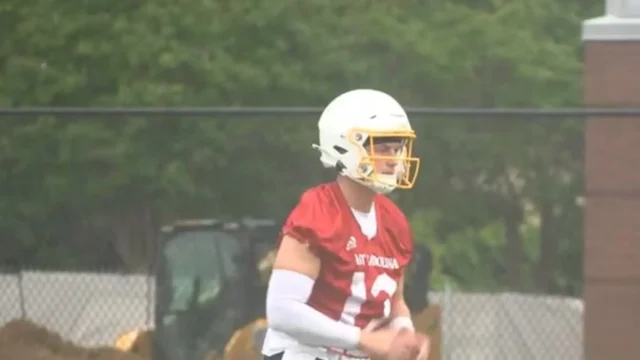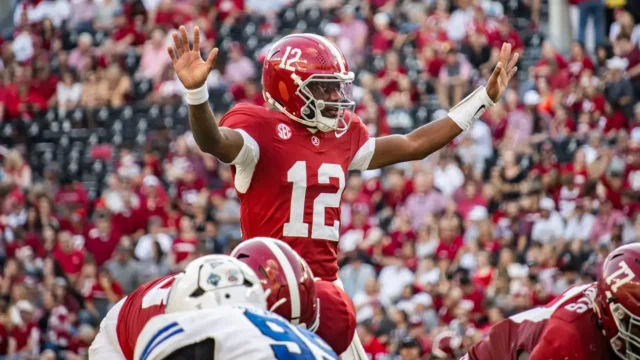
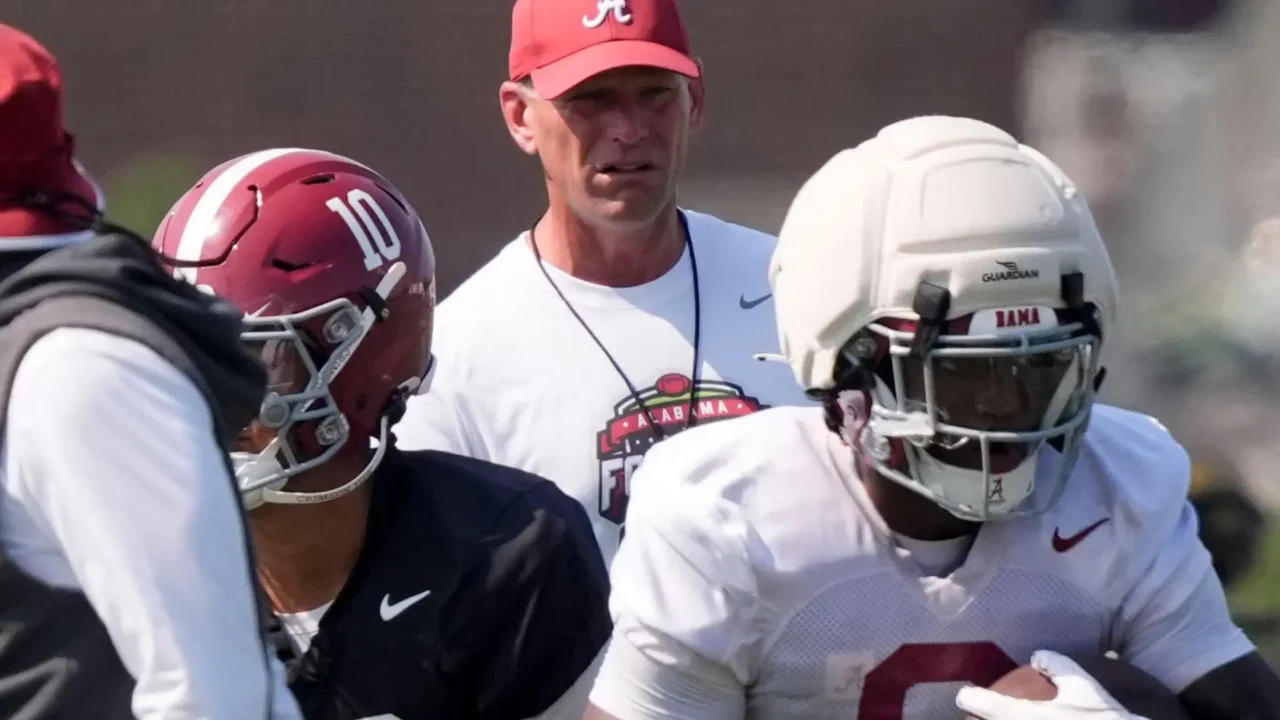
Kalen DeBoer and his staff enter the season carrying both praise and public criticism after a high-profile offseason rebuild. The latest jab — an anonymous coach saying Alabama “looks like they’re morphing into a Pac-12 team” and that there is “a softness to how they play” — landed as the Tide prepare to return to Bryant-Denny Stadium against ECU.
Bruce Feldman’s recent poll of coaches and staffers collected that hot take and others, and it landed squarely on Alabama as a target; full reporting on the aggregated opinions appears in an industry write-up by A to Z Sports. The anonymous remark specifically referenced the loss to Indiana as evidence and handed DeBoer immediate bulletin-board material heading into the opener.
Key Takeaways
- Bruce Feldman polled college coaches, personnel members, and staffers and captured an anonymous critique that described Alabama as showing a softness on the field.
- The anonymous coach singled out the Indiana loss as the moment that raised questions about Alabama’s physical identity and competitive edge.
- DeBoer’s staff answered with a complete turnover of the starting offensive line and the starting front seven, using transfer additions, internal promotions, and returns to reshape both trenches.
- The program’s stated emphasis this offseason is simple and direct: run the ball, and stop the run as Alabama looks to change the external narrative before SEC play begins.
Kalen DeBoer roster overhaul and identity shift
The most visible response to criticism has been personnel changes. The staff moved deliberately to replace the starting offensive line and the starting front seven, signaling a shift toward size and physicality across the roster.
On offense, the group that will open the season looks markedly different with internal promotions and returnees altering depth charts; staff worked in pieces such as Jackson Lloyd in an internal role and leaned on returning linemen like Michael Carroll to bring more bulk to the point of attack.
Defensively, the line and linebacker corps were overhauled as well. Apart from a familiar projected starter such as Yhonzae Pierre, Alabama’s projected front-seven starters include many new faces either via the portal or internal advancement, which changes how opponents will prepare schematically.
The anonymous critique and its basis
Pulling a single line from a broader poll illustrates how quickly outside perceptions can crystallize.
The anonymous coach’s line read: “It looks like they’re morphing into a Pac-12 team. I like Kalen DeBoer a lot, but I think there’s a softness to how they play. The way they got beat by Indiana last year was like, whoa.
”
That remark is an opinion from within the poll sample and should be read as such.
That criticism broke publicly because Feldman’s poll aggregated blunt takes from peers and staffers around college football. An anonymous voice calling out toughness creates immediate external pressure while remaining one data point among many in preseason chatter.
Alabama lineup turnover and recruiting context
| Position group | Last season | Offseason change |
|---|---|---|
| Offensive line | Last season’s starters were in place but struggled to establish consistent push in the run game | Complete turnover of projected starters with internal promotions and returns such as Michael Carroll to increase physicality |
| Front seven | Linebacker and defensive-line units had familiar faces but lacked consistent identity against the run | Starting front seven turned over via transfer additions and internal moves, leaving few projected familiar faces outside a player like Yhonzae Pierre |
| Defensive depth | Rotation included experienced pieces and young prospects with mixed production | Revamped defensive line and linebacker corps through portal activity and promotions aimed at quicker, more physical run-stopping |
SEC and CFP implications for Alabama roster construction
Alabama’s offseason pivot toward run-first football and a rebuilt front seven has direct implications for how the Tide will compete in the SEC. A more physical line play is intended to improve short-yardage efficiency and limit opponents’ rushing attacks in conference games.
The early return to Bryant-Denny against ECU offers a controlled environment to begin proving the new identity, but the real measuring stick will be division play where the ability to finish drives and hold the line of scrimmage has championship consequences.
From a recruiting standpoint, presenting a clear, physical identity can help coaches sell a specific on-field role to prospects who fit the mold Alabama is now building. That approach also changes the narrative opponents and voters use when assessing the Tide’s postseason résumé.