
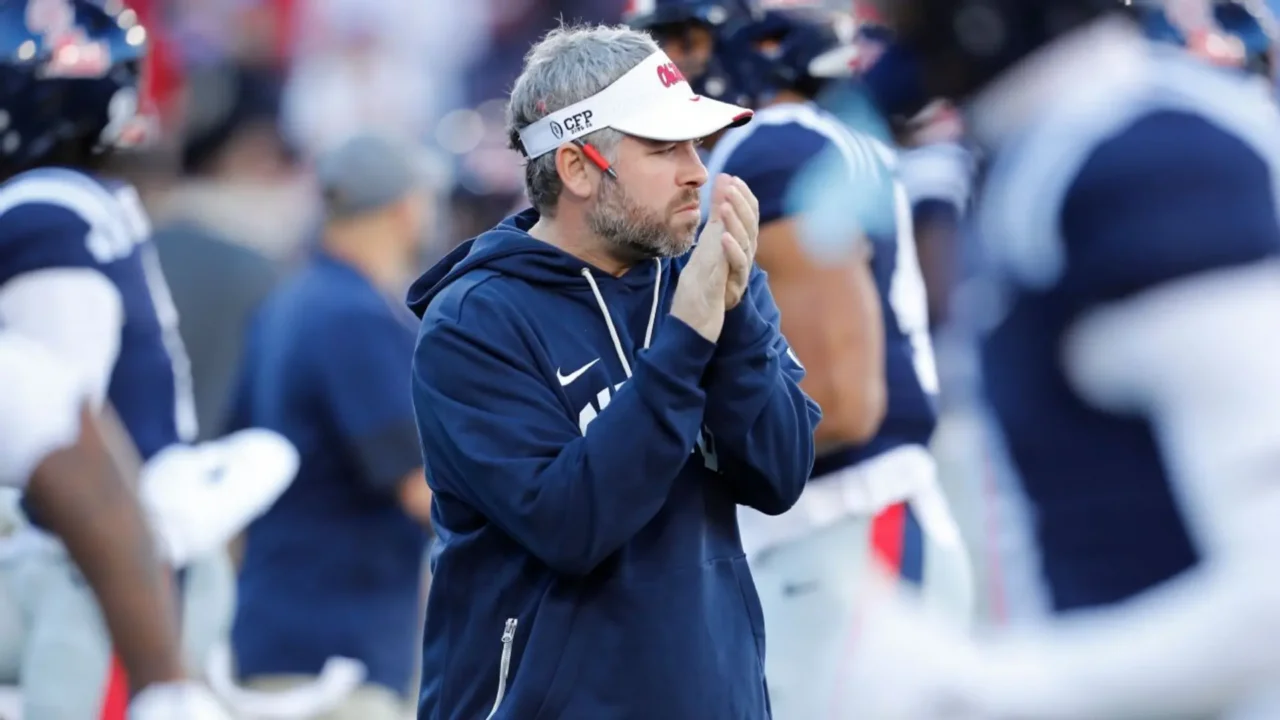
Pete Golding takes the reins at a program where the previous era has left a distinct imprint on perception and expectations. For fans and recruits, the incoming leadership moment is less about a single game and more about the identity the program projects going forward.
The challenge for Golding is not theoretical; it is practical and public, and it will be measured in roster decisions, staff alignment and the narrative conveyed to Mississippi recruits and the broader SEC audience. A recent piece by ESPN framed that central question directly and sets the editorial lens for this beat analysis.
Key Takeaways
- Pete Golding faces the task of creating a distinct program identity separate from his predecessor.
- A public identity shift will influence recruiting conversations and the kinds of players Ole Miss targets.
- Short-term on-field expectations should balance continuity with deliberate changes in style and emphasis.
- The way Golding constructs his staff and communicates with the fanbase will determine how quickly perceptions change.
Pete Golding and the post Lane Kiffin identity
Pete Golding arrives with the immediate imperative of telling a new story about Ole Miss football.
That narrative must be clear to recruits, current players and season-ticket holders if it is to replace an existing frame of reference.
Establishing that narrative will require choices that go beyond play calls. Public posture, practice habits, staff roles and the visible priorities of the program will all shape how quickly the new era is accepted.
From a communications perspective, consistency matters; sporadic or contradictory messaging will prolong the comparison to the previous regime. Consistent decisions on game strategy, roster use and staff responsibilities create a coherent identity over time.
Defensive continuity and recruiting context
| Area of comparison | Perception tied to the prior era | Opportunity for the new regime |
|---|---|---|
| Program identity | The program is widely associated with the stylistic and cultural direction established earlier. | An intentional shift offers a chance to highlight principles that define the new staff’s priorities. |
| Recruiting pitch | Prospective players and local pipelines may still frame offers and interest around the previous staff’s brand. | Clear, consistent messaging to recruits about role, development and philosophy can reshape recruiting conversations. |
| On-field schematic cues | Observers often look for continuity or change in scheme as a shorthand for how the program will perform. | Deliberate schematic choices that reflect available personnel can signal a genuine new approach without wholesale turnover. |
Staff alignment and measurable expectations
One of the earliest indicators that Golding is defining his own program will be the staff he assembles and the duties he delegates.
Staff decisions communicate priorities to recruits and opponents in ways that signal whether continuity or change is the governing principle.
On-field expectations should be calibrated to the current roster. Rapid, unrealistic performance demands risk eroding trust with players and fans, while overly cautious approaches can prolong comparisons to the prior era.
Success in the near term will likely be judged less by wins alone and more by clear evidence of identity: consistent schemes, defined player roles and a discernible culture in practice and game day behavior.
Personnel development and roster construction
Roster construction is where an identity becomes practical. Which positions are emphasized in recruitment, how underclassmen are developed and the types of players targeted in the transfer portal will all illustrate the new program profile.
Player development plans that produce visible growth create compelling narratives for recruits and help accelerate acceptance of a new direction. Demonstrable skill improvement is often more persuasive than rhetorical claims about philosophy.
Pete Golding’s impact on Ole Miss SEC positioning
The SEC is a high-velocity environment where perception and results move quickly. For Ole Miss, a clear identity announcement can alter how opponents prepare and how recruits view the program’s trajectory.
Realignment of recruiting priorities and player development choices will shape the Rebels’ competitive window. How Golding balances short-term competitiveness with long-term roster fit will dictate where Ole Miss sits in the conference pecking order in coming seasons.
Beyond wins and losses, conference positioning will be influenced by the program’s ability to make coherent strategic choices that are sustainable across recruiting cycles and coaching staffs.
The questions raised in the linked coverage provide the framework for fans and observers tracking the program’s next moves.