Texas A&M beat Missouri State 50-0 at Kyle Field, and the night’s most-discussed moments for many fans came off the scoreboard: a string of Texas A&M Police tweets that read like a gameday incident log. Those short posts tracked arrests, ejections and welfare-oriented releases while the Aggies rolled on the field.
The five most notable police posts were collected and annotated by Adam Spencer in a package for Saturday Down South, and together they map where gameday enforcement focused. For fans and staff, the tweets doubled as both incident reports and a running public account of the night’s crowd management choices.
Social posts from event policing units now shape how outsiders read Kyle Field as much as the play-by-play, and that framing matters when a program is building momentum on and off the turf. The thread of arrests and ejections tells a secondary story about expectations, rules and how staff respond in real time.
Key Takeaways
- The top Texas A&M Police tweets from the 50-0 night highlight multiple public-intoxication incidents, one criminal-trespass warning for an employee, and several ejections tied to belligerence or prohibited items.
- All incidents summarized are police-reported claims posted to the department’s social feed and should be understood as claims rather than independent adjudications.
- Enforcement outcomes ranged from arrests to releases to sober companions, showing a mix of punitive and safety-first responses by on-site officers.
- Those public posts function as crowd-management messaging, signaling which behaviors will trigger arrests, ejections or welfare interventions.
Top 5 Texas A&M Police tweets from Missouri State
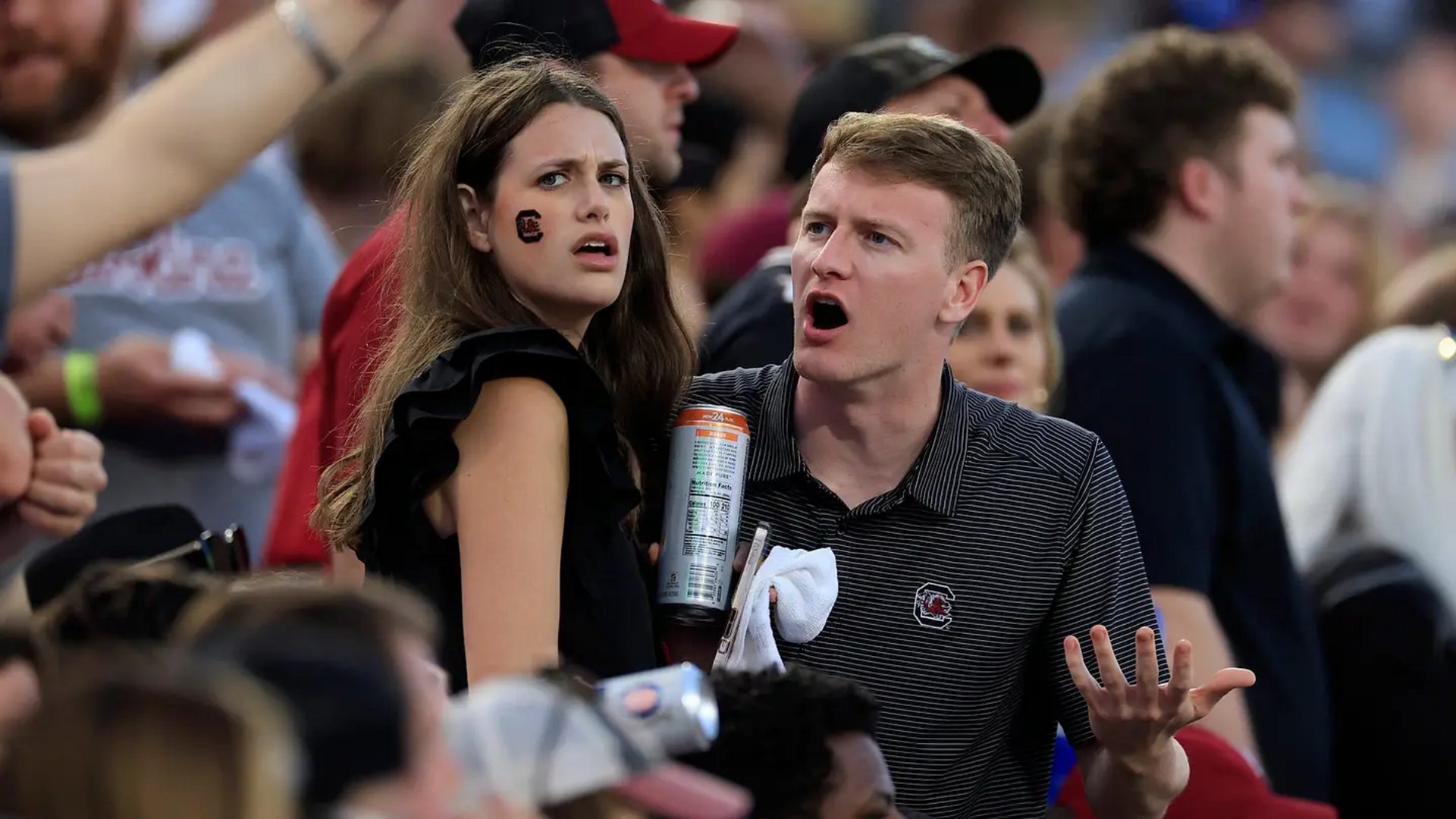
1. Section 233 — Public intoxication and arrest. Officers reported a subject in Section 233 who refused offers to call a friend and was ultimately arrested after refusing to cooperate.
The post listed a reported BAC of.216, marking it as one of the night’s more serious intoxication incidents.
2. Section 117 — Public intoxication and belligerence. A fan in Section 117 reportedly became belligerent and told officers, “What are you gonna do, arrest me?”
Police reported that interaction ended in arrest after the subject continued to threaten others.
3. Section 131 — Ejection over a Long Drink. Officers ejected a fan in Section 131 for possessing a Long Drink, which is not sold inside the stadium, and for reportedly taunting staff.
The quick ejection underscores stadium enforcement on prohibited items and disruptive conduct.
4. MSC second-floor bathroom — Public intoxication and release to family. A visibly ill and emotional subject was found on the MSC’s second floor and was released to a sober cousin after officers assessed the situation.
That post highlighted a welfare-first outcome rather than criminal processing.
5. Contract employee trespass warning and ejection. A contract employee was issued a criminal trespass warning and removed after becoming belligerent when told by a supervisor to tuck in a shirt.
The post served as a reminder that staff and vendors are also accountable to event conduct standards.
What each tweet says about fan behavior and policing
Read together, the posts show enforcement priorities that mix safety and order: welfare releases alongside arrests for belligerence and public intoxication. The department’s social feed makes those operational choices visible to a wide audience, shaping expectations for future events.
Alcohol policy enforcement is a through-line in the thread. Two of the five incidents centered on public intoxication, another stemmed from a prohibited beverage being brought into the stadium, and the contract-employee post illustrates that event rules apply to staff and vendors as well as ticketed fans.
That mix of outcomes — arrest, ejection, release to family, trespass warning — reflects a pragmatic approach to gameday policing: intervene when public safety is at risk, remove contraband or disruptive actors, and prioritize medical or welfare responses where appropriate. The social posts serve both as record and deterrent.
Section outcomes and policing context
| Section | Incident | Outcome |
|---|---|---|
| Section 233 | Public intoxication with reported BAC.216 | Arrest |
| Section 117 | Belligerent public intoxication aiming to fight another fan | Arrest |
| Section 131 | Fan holding a Long Drink and taunting officers | Ejected |
| MSC 2nd floor bathroom | Sick, emotional intoxication | Released to sober cousin |
| Contract employee | Belligerence after supervisor instruction | Criminal trespass warning and ejected |
What the win means for staff momentum and the CFP push
The 50-0 scoreline remains the central story for program momentum and the early-season narrative, and gameday policing is a secondary thread that affects fan experience and event operations. How those off-field moments are handled can ripple into recruiting conversations and national perception about the program’s control of its home venue.
Texas A&M returns to Kyle Field next Saturday to host Arizona State, and both the team’s play and the way gameday conduct is managed will shape headlines moving forward. Police social posts will continue to be read as part of the broader account of College Station’s game-night environment.