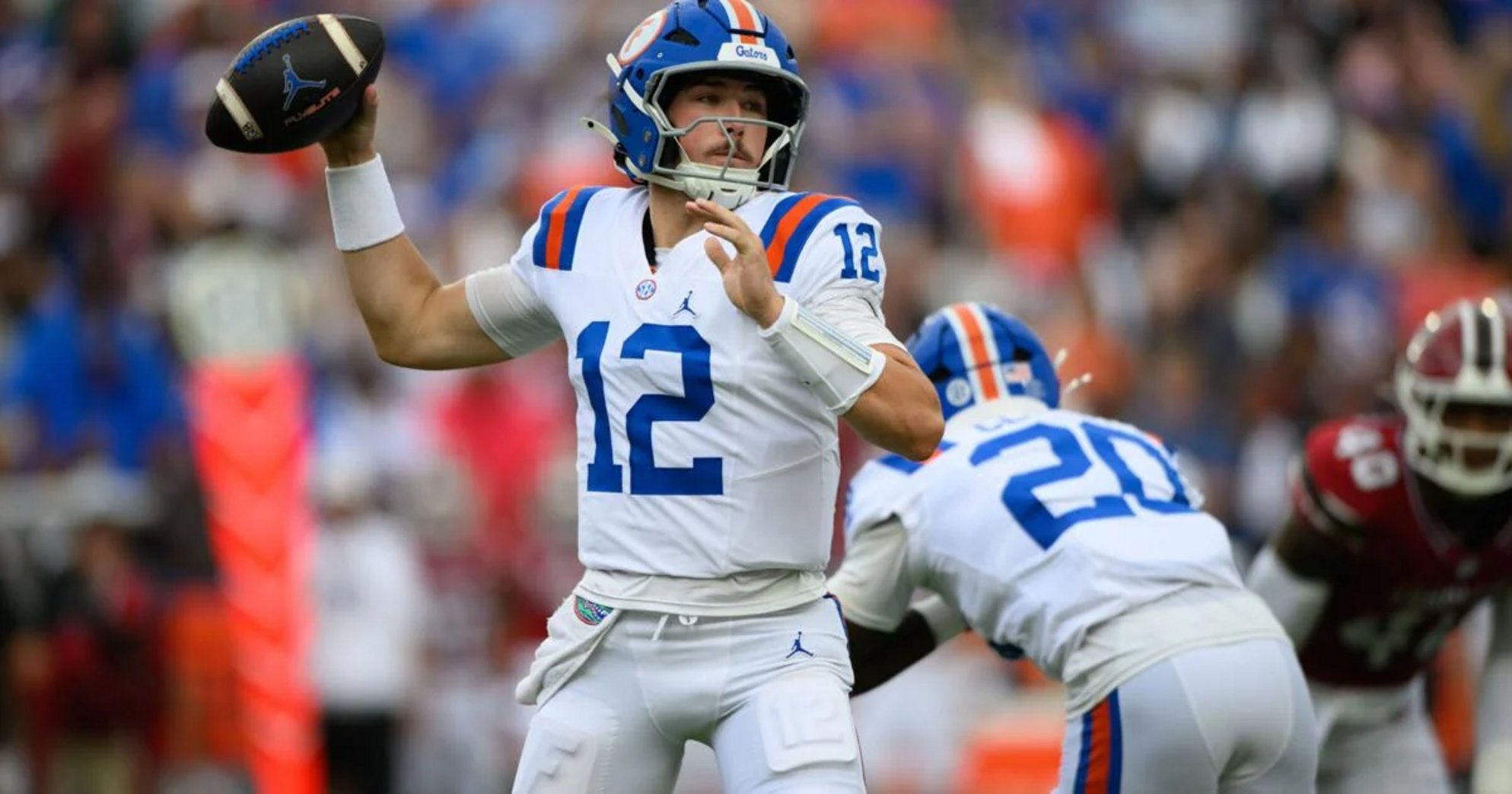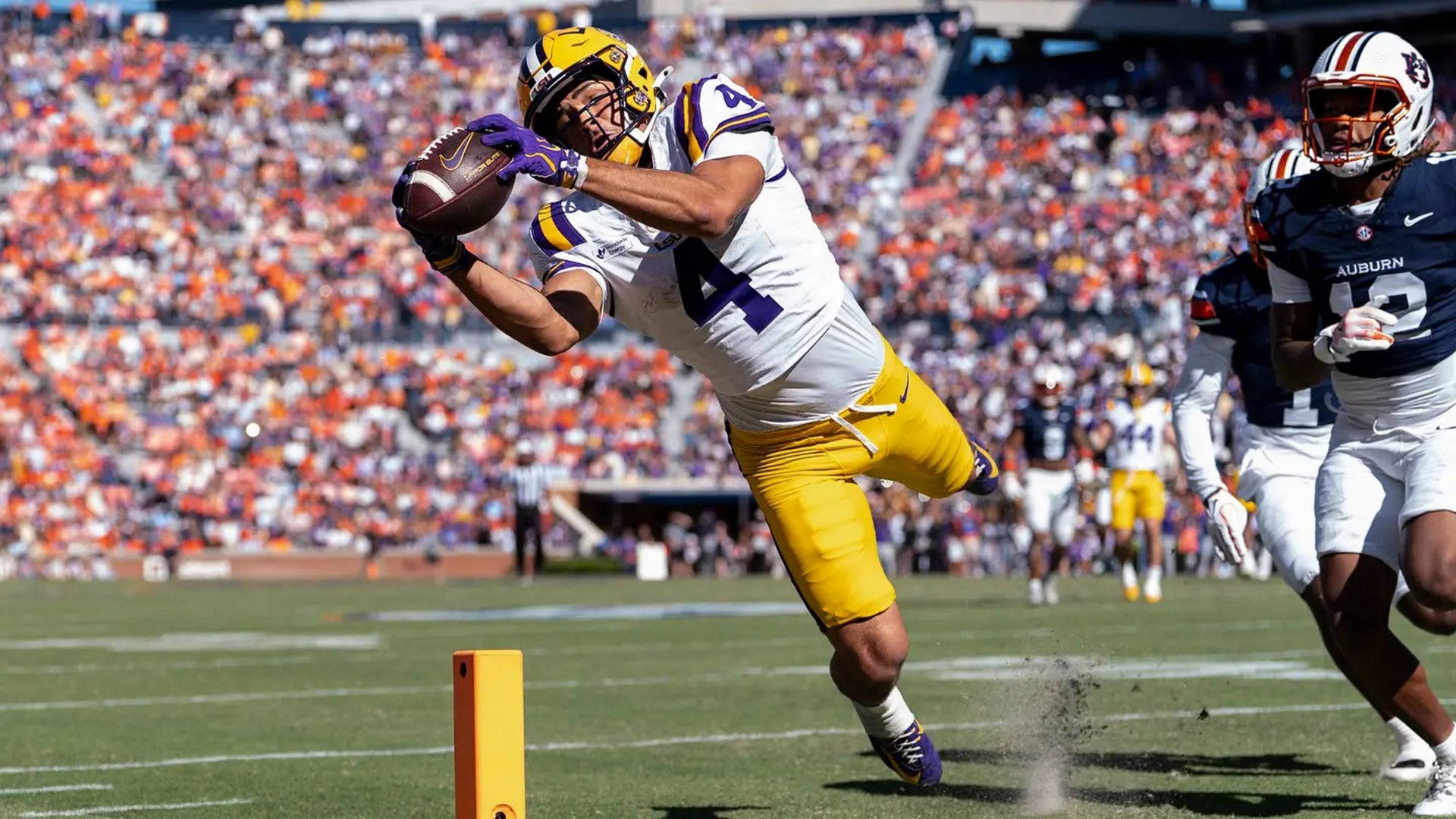
- LSU defeated Clemson 51-10 after an hour-and-a-half kickoff delay for rain and lightning.
- Sam Leavitt rushed for 113 yards and two rushing touchdowns while also throwing for 230 yards and a passing touchdown.
- LSU's defense held Clemson to minus four yards in the first half and Jordan Ross returned an interception for a touchdown, swinging momentum.
LSU’s 51-10 win over Clemson was more than a season-opening scoreline; it reshaped expectations in Baton Rouge after an hour-and-a-half kickoff delay for rain and lightning.
The Tigers turned a short early Clemson lead into a rout highlighted by balanced offensive production and a first-half defensive shutdown, as detailed by Saturday Down South.
Key Takeaways
- Sam Leavitt rushed for 113 yards and two rushing touchdowns while also throwing for 230 yards and a passing touchdown.
- LSU’s defense held Clemson to minus four yards in the first half and produced a turnover that was returned for a touchdown.
- Jordan Ross returned an interception for a pick-six that swung momentum and provided a short field for LSU’s offense.
- Kickoff delays preceded the game, and public betting markets shifted toward higher projected win totals for LSU after the result.
LSU vs Clemson 51-10 game breakdown
Clemson opened with a 3-0 drive, but LSU seized control after that series and never looked back.
LSU built quick momentum through sustained drives and explosive plays that put the game out of reach by halftime.
Jordan Ross returned an interception for a touchdown, flipping field position and energy in Baton Rouge.
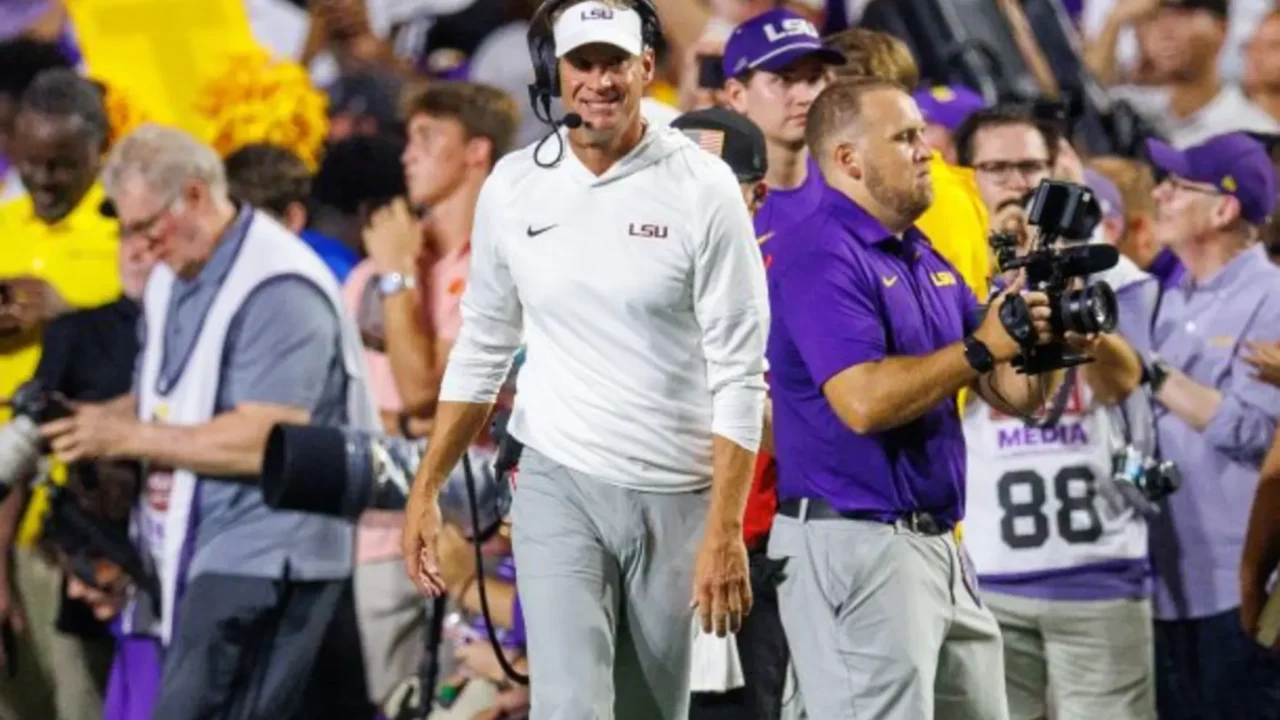
Lane Kiffin’s halftime comments about roster composition underscored that the performance reflected both scheme and depth.
The second half saw LSU maintain pressure and close the game decisively, converting short fields and limiting Clemson’s ability to sustain drives.
Special teams and defensive stops repeatedly gave the offense manageable starts throughout the night.
Leavitt run game and LSU offense control
Sam Leavitt controlled tempo by mixing zone reads and designed runs with effective play-action that kept Clemson off balance.
Dillin Jones finished with 113 rushing yards and two rushing touchdowns, while TreyDez Green made impact plays and Winston Watkins III provided a vertical receiving threat.
Transfer left tackle Jordan Seaton and the offensive line were credited with opening lanes on several big runs that sustained drives.
The balance between Leavitt’s rushing and the receiving corps forced Clemson to defend the whole field, allowing LSU to convert early downs into sustained scoring sequences.
Defensive performance and Blake Baker adjustments
Blake Baker’s unit executed a game plan that produced negative yardage for Clemson in the first half and generated turnovers that shortened the field.
The defensive front and linebackers maintained gap discipline and applied timely pressure, which repeatedly stalled Clemson drives.
Field position swings from stops and short returns repeatedly put LSU’s offense in favorable spots and compounded the scoreboard advantage.
Game stats and context
| Aspect | Stat or result | Why it matters |
|---|---|---|
| Sam Leavitt | 113 rushing yards, 2 rushing TDs; 230 passing yards, 1 passing TD | Two-way production from the quarterback sustained drives and created scoring balance |
| Dillin Jones | 113 rushing yards, 2 rushing TDs | Power running kept Clemson from overloading the box and extended possessions |
| Winston Watkins III | 7 catches, 110 receiving yards, 1 TD | Consistent receiving threat that stretched the field and converted key downs |
| Jordan Ross | Interception returned for a touchdown | Turnover for points swung momentum and provided a short field for LSU’s offense |
| First-half defense | Clemson held to minus four yards before halftime | Early defensive dominance established field position advantages that translated to a large lead |
LSU title and CFP outlook
The magnitude of the win shifted short-term market and public expectations for LSU’s regular season outcomes and increased optimism about higher win totals.
A dominant performance in a primetime environment will factor into perceptions among voters and pundits tracking College Football Playoff scenarios.
Frequently Asked Questions
What was the final score?
51-10.
What were Sam Leavitt's statistics?
113 rushing yards and two rushing touchdowns; 230 passing yards and one passing touchdown.