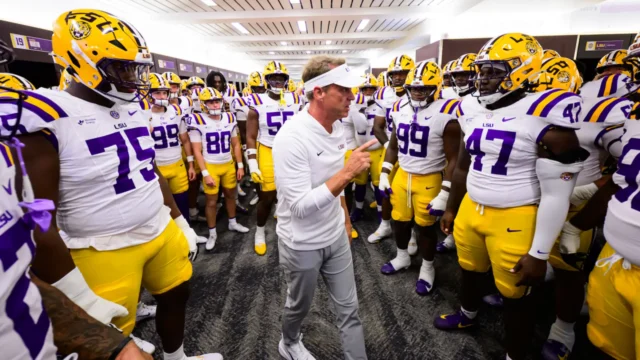
LSU vs Ole Miss is the marquee SEC game of Week 3, a rare top-10 meeting that immediately raises the stakes for both rosters and recruiting profiles. The matchup carries extra heat because Lane Kiffin makes his return to Oxford, this time on the LSU sideline, turning a rivalry weekend into a national storyline.
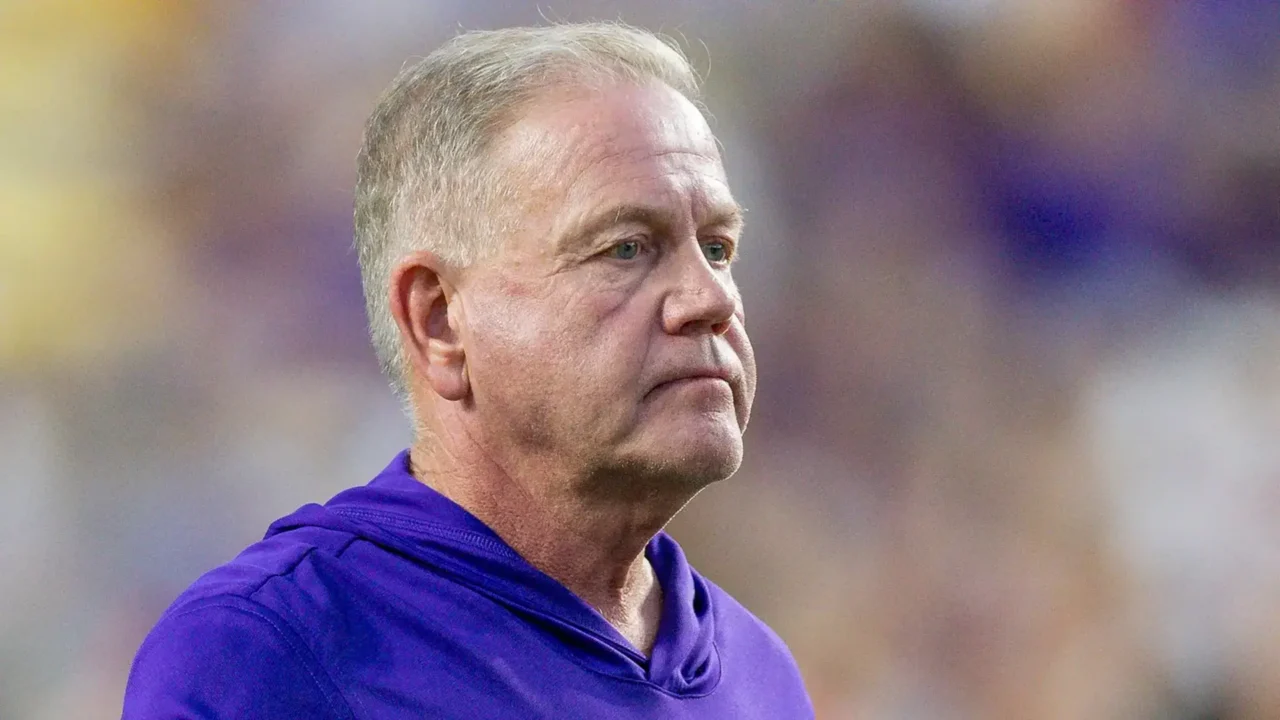
Former Tigers coach Brian Kelly spelled out the obvious risk for visitors when he said, “When you go on the road in the SEC, the home crowd makes it different,” noting the home team has won the last six meetings in this series; see the full report from CFB-HQ On SI for the original breakdown. Kelly framed the crowd as a possible equalizer and an element that can flip single-possession games in Oxford, Mississippi.
Key Takeaways
- Brian Kelly warned that road games in the SEC are shaped by the home crowd and recent rivalry history favors the host.
- LSU leads the SEC early in passing with 358 yards per game through two outings.
- Ole Miss ranks near the bottom of the conference in air defense through two games, surrendering almost 396 yards per contest.
- Lane Kiffin’s return to Oxford and the matchup between LSU’s pass rush and Ole Miss protection will likely decide the night’s outcome.
Why Kelly’s warning matters in LSU vs Ole Miss
Kelly’s simple line about the home crowd carries weight because the rivalry has produced tight, high-pressure finishes; he pointed to the home team winning the last six meetings as a clear pattern. Those six games were often one-possession affairs, which amplifies the role crowd noise and momentum swings play in turnover windows and late-game conversions.
Oxford is a stadium environment built to challenge visiting quarterbacks and limit communication on offense. When a televised rivalry night stacks the stands against you, even routine substitution calls and route adjustments take on added difficulty.
How LSU’s pass rush and Ole Miss passing defense match up
The statistical snapshot through two games skews toward LSU: the Tigers are No. 1 in the conference in passing with 358 yards per game, and they also pace the SEC in total defense, allowing just 142 yards per game through the early sample. Those numbers outline why analysts see LSU’s explosive passing attack and defensive stinginess as the club’s current identity.
By contrast, Ole Miss’s air defense sits second-from-bottom in the conference after two outings and has given up nearly 396 yards per game. That vulnerability against the pass is the clearest schematic opening for LSU, but it comes with the counterweight Kelly noted: home-field chaos can obscure pregame matchups if Ole Miss controls the line of scrimmage and special teams phases.
Matchup watchers should zero in on three in-game interactions: LSU’s interior and edge rush versus Ole Miss protection on early downs, third-down schematic calls when the crowd is loud, and how quickly each quarterback can get the ball out under pressure. Those facets will determine whether LSU’s aerial edge translates into scoreboard advantage or stalls under hostile noise.
Two-game stat comparison for LSU and Ole Miss
| Metric | LSU (through two games) | Ole Miss (through two games) |
|---|---|---|
| Passing yards per game | 358 yards per game (No. 1 in conference) | Air defense described as second-from-bottom in the conference |
| Total defense yards allowed per game | 142 yards per game allowed | Almost 396 yards allowed per game |
| Sample size caveat | All figures reflect a two-game sample and are subject to change as the schedule expands. | |
SEC standings and College Football Playoff positioning after LSU vs Ole Miss
A win in Oxford would immediately elevate LSU’s SEC resume, reinforcing a top-tier profile that helps with CFP math and late-season scheduling leverage. Victories over ranked conference opponents carry outsized value for committee perception and for the recruiting message coaches sell in-state and regionally.
Conversely, an Ole Miss win that leans on its home atmosphere would underline the Rebels’ ability to defend the turf in big games and could shift early recruiting narratives inside the SEC. Both programs will use the result in postgame messaging about roster construction and momentum, and local recruiting attention will intensify regardless of the final score.
Expect the game’s outcome to ripple into conversations about conference seeding and the CFP field, particularly because this is a rare top-10 pairing in this rivalry and it offers one of the earliest meaningful data points for each squad’s national standing.