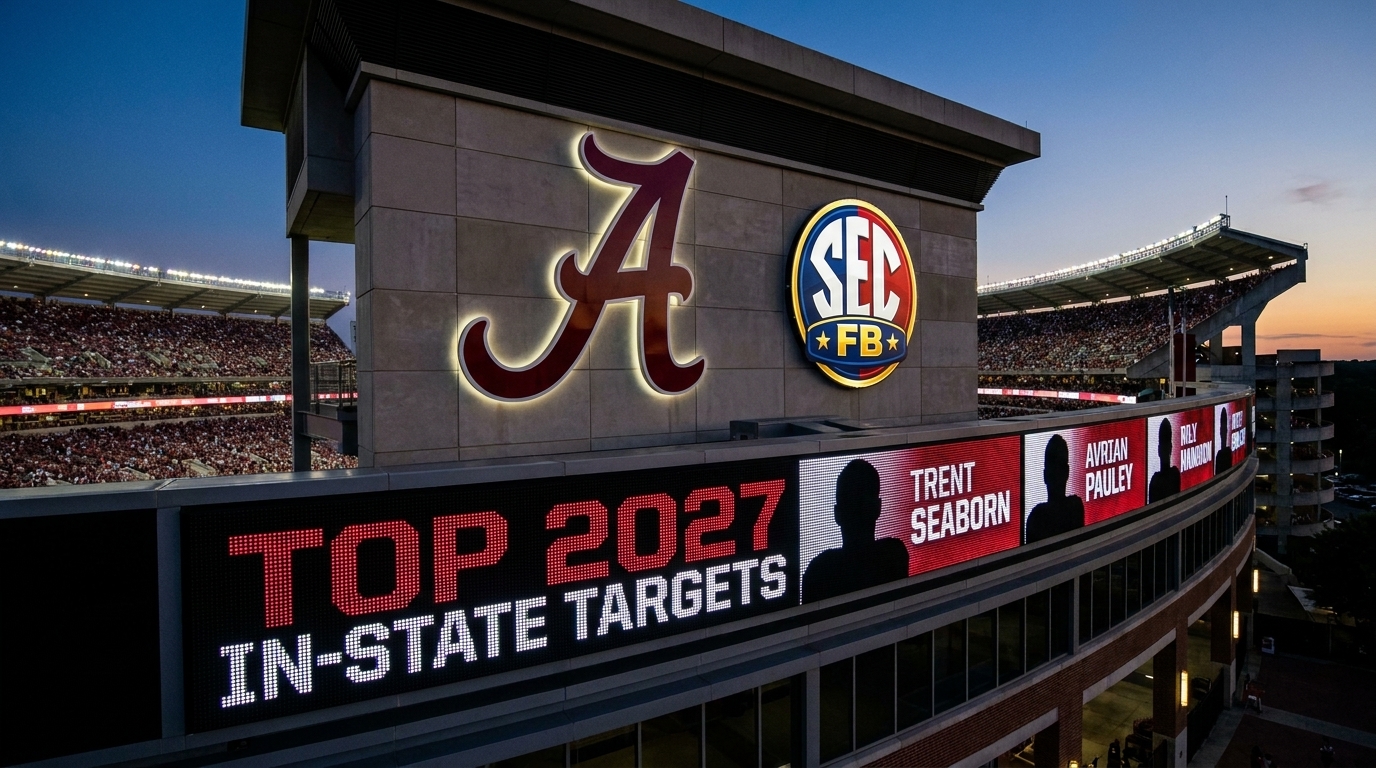
Alabama 2027 in-state recruiting sits at the heart of the Crimson Tide’s early roster plans. Because the 2027 class is expected to be smaller, each in-state commitment matters more. In this update, we break down who Alabama is pursuing now and why those targets matter.
We focus on top uncommitted in-state targets like Trent Seaborn and Avrian Pauley. However, the Tide’s strategy extends beyond names to positional needs and timing. As a result, recruiting watchers can expect tight battles with in-state rivals and national programs. Read on for a detailed recruiting board that shows where Alabama stands now, and what comes next.
This piece offers clarity for fans and recruiters alike, because context shapes expectations. Moreover, we outline timelines, odds, and coaching priorities for the 2027 in-state recruiting picture. Join us as we unpack the board and what it means for Alabama football’s next class. Expect deep analysis and recruiting context.
Alabama 2027 in-state recruiting: Top targets and strategy
Alabama enters the 2027 in-state cycle with a sharper focus because the class will be smaller. As a result, staff must prioritize high-impact prospects and shore up positional needs early. Therefore each commitment carries more weight for roster construction and long-term depth. Fans should expect targeted efforts rather than wide-net recruiting.
Key commitments and targets
- Trent Seaborn — A current 2027 Alabama commitment who anchors the in-state group. He provides stability for the class and signals coaching trust in local talent. As a result, Seaborn helps set the tone with other prospects.
- Avrian Pauley — Another in-state commit that boosts the Tide’s early numbers. Pauley reinforces recruiting momentum, and therefore Alabama can leverage him in future pitches.
- Other top uncommitted in-state targets — The Tide continues to monitor several high-upside prospects across the state. However, the staff will prioritize visits, relationship-building, and positional fits for the smaller class.
Recruiting challenges and opportunities
Recruiting faces stiff competition from in-state rivals and national programs. However, Alabama benefits from elite facilities and coaching pedigree. Moreover, a smaller class lets the staff focus resources and personalize recruiting plans. Therefore flipping rivals or closing tight races becomes more realistic. Finally, timing and NIL conversations will shape the board as the cycle progresses.
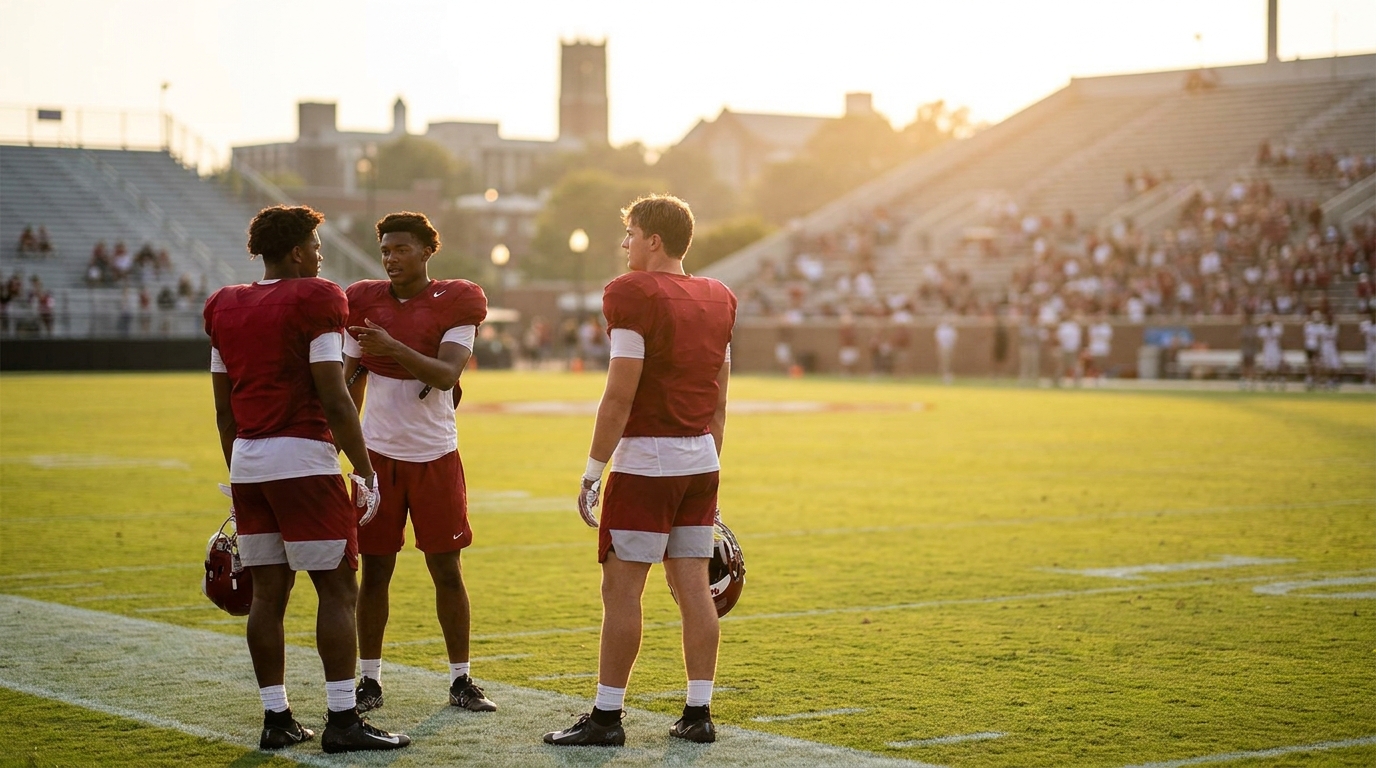
Top uncommitted in-state targets and where Alabama stands
Alabama football enters this cycle with a focused in-state recruiting board. Because the 2027 class will be smaller, the Crimson Tide must concentrate on immediate impact players. Therefore staff are hunting high-upside prospects who fit scheme and need. This analysis breaks down commitments, top uncommitted names, and strategic angles.
Committed in-state pieces
- Trent Seaborn — A 2027 in-state commit who gives the Tide an early cornerstone. He provides positional value and helps solidify depth plans.
- Avrian Pauley — The second in-state commit who boosts momentum. Pauley helps Alabama start the class with local credibility.
Key uncommitted targets and profiles
- High-level athletes at wide receiver and defensive back — Alabama is pushing for versatile players who can start early. These recruits offer speed and scheme flexibility.
- Offensive line prospects — Because Alabama values line play, O linemen remain priorities. Consequently staff will invest in evaluations and home visits.
- Edge rushers and linebackers — The Tide looks for pass rush upside and tackling instincts. Moreover, these positions translate quickly to college roles.
Recruiting class size and strategy
The expected smaller 2027 class changes calculus. As a result, each pickup matters more for depth and competition. Therefore Alabama will be selective, focusing on recruits who project as day-one contributors. Additionally, the staff will use relationship-building and targeted visits to close tight races. Finally, because in-state rivals and national programs press hard, timing and sustained contact will decide several outcomes.
This in-state recruiting board shows where Alabama stands now. Moreover, it highlights how the Crimson Tide plans to convert local talent into long-term roster value.
Quick comparison: Alabama 2027 in-state recruiting targets
Below is a concise table to compare the top in-state targets. Use it as a snapshot of the Crimson Tide’s in-state recruiting board and priorities.
| Player Name | Position | Commitment Status | Recruiting Notes |
|---|---|---|---|
| Trent Seaborn | [Position: TBD] | Committed to Alabama | Early cornerstone for the class. Provides local credibility and positional value. |
| Avrian Pauley | [Position: TBD] | Committed to Alabama | Adds momentum and helps the Tide lead in-state recruiting conversations. |
| Top WR prospect (Alabama) | Wide Receiver | Uncommitted | Speedy, route-running upside. High priority for early visits and evaluations. |
| Top DB prospect (Alabama) | Defensive Back | Uncommitted | Versatile coverage skills. Fits multiple defensive packages. |
| Top OL prospect (Alabama) | Offensive Line | Uncommitted | Priority for depth and run-game development. Recruiting focus includes NIL and home contact. |
| Edge/Pass-Rush target (Alabama) | Edge Rusher | Uncommitted | High athletic upside. Could translate to early playing time with development. |
This table highlights committed players and the key uncommitted names Alabama pursues. Because the 2027 class will be smaller, each listed prospect carries outsized importance for Alabama football and the Crimson Tide’s roster planning.
CONCLUSION
Alabama 2027 in-state recruiting will shape the Tide’s next roster. With two early commitments, Trent Seaborn and Avrian Pauley, Alabama starts the class with local talent. Because the 2027 class is expected to be smaller, every in-state pickup matters more. Therefore coaches will target high-impact players who fit scheme and can contribute early.
The in-state recruiting board shows a focused approach. Staff will prioritize visits, long-term relationships, and positional needs. However, in-state rivals and national programs will challenge the Tide for top targets. As a result, timing and persistent contact will decide several outcomes.
SECFB LLC provides expert analysis and recruiting coverage that helps fans follow these battles. Visit SECFB for deeper recruiting context and updates. Also follow updates on Twitter at @ZachGatsby for timely observations. SECFB’s reporting complements on-field recruiting work by tracking players and offers.
Looking ahead, Alabama’s in-state strategy will determine class quality and depth. Fans should expect tight, consequential recruiting battles.
Frequently Asked Questions (FAQs)
Who has already committed to Alabama from the 2027 in-state class?
Trent Seaborn and Avrian Pauley have committed. They also give Alabama early local anchors.
How large will the 2027 in-state group be?
The class is expected to be smaller. Therefore Alabama will add a handful of high-impact in-state prospects. They will prioritize quality over quantity.
Who are the top uncommitted targets?
The Tide pursues top wide receivers, defensive backs, offensive linemen, and edge rushers in-state. These positions match current need because they offer early playing chances.
What is Alabama’s recruiting strategy this cycle?
Coaches are selective and relationship-driven. They prioritize visits, targeted offers, and NIL discussions. As a result they focus on recruits who can contribute early.
How will in-state recruiting affect the Crimson Tide?
Strong in-state recruiting secures depth and continuity for Alabama football. Moreover, it helps counter rivals and sustain the program’s local pipeline.