How Do Alabama football 6-foot-4 cornerbacks Transform Their Secondary?
Alabama football 6-foot-4 cornerbacks: Length That Can Change the Game
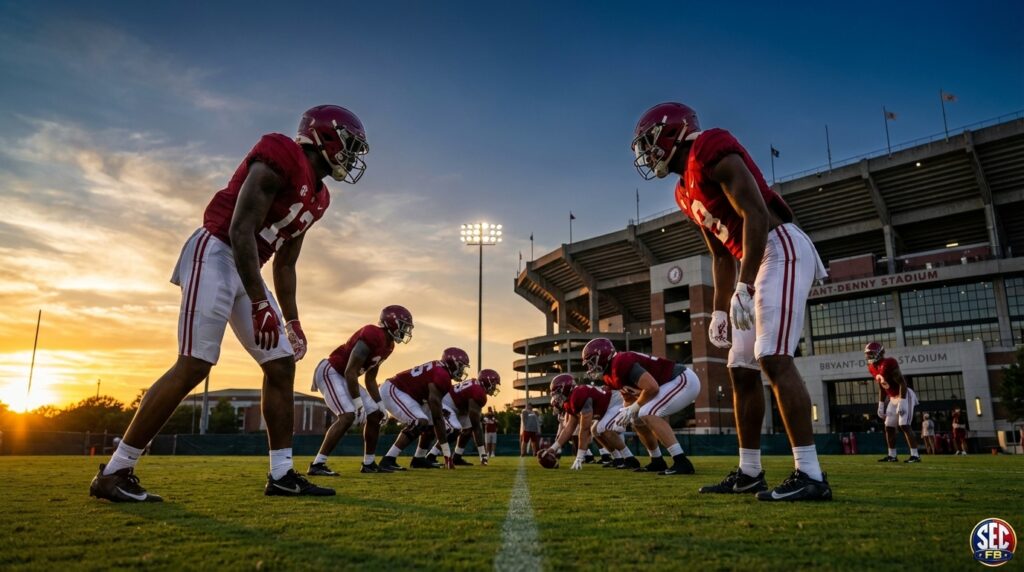
Alabama football 6-foot-4 cornerbacks give the Crimson Tide a rare, natural edge at the boundary. At a glance, having two players of that height at corner is unusual in college football. Because length changes matchups, offenses must rethink routes and placement. As a result, receivers see tighter catch windows and quarterbacks face tougher reads. Dijon Lee Jr and Carmelo O’Neal anchor this group, while Zabien Brown and returning defensive backs add depth and versatility. Moreover, safety play from Bray Hubbard and Keon Sabb helps the scheme flourish.
This combination is rare, and it shifts both pass and run defense plans. Because these corners can contest high throws and leverage size against tight ends, coaches can deploy more aggressive schemes. Therefore, Alabama can disguise coverages more easily and trust its perimeter in crucial moments. As a result, the secondary looks poised to be among the nation’s best. The mood in Tuscaloosa is optimistic, and young players are showing grit in spring work as they develop length, athleticism, and technique.
Alabama football 6-foot-4 cornerbacks: Development in the secondary
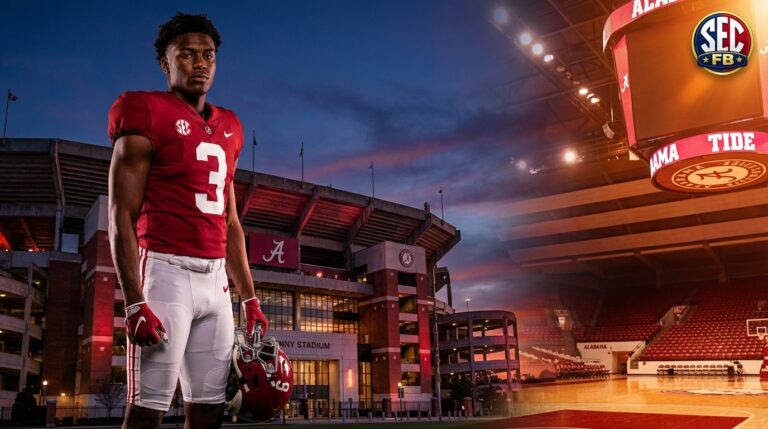
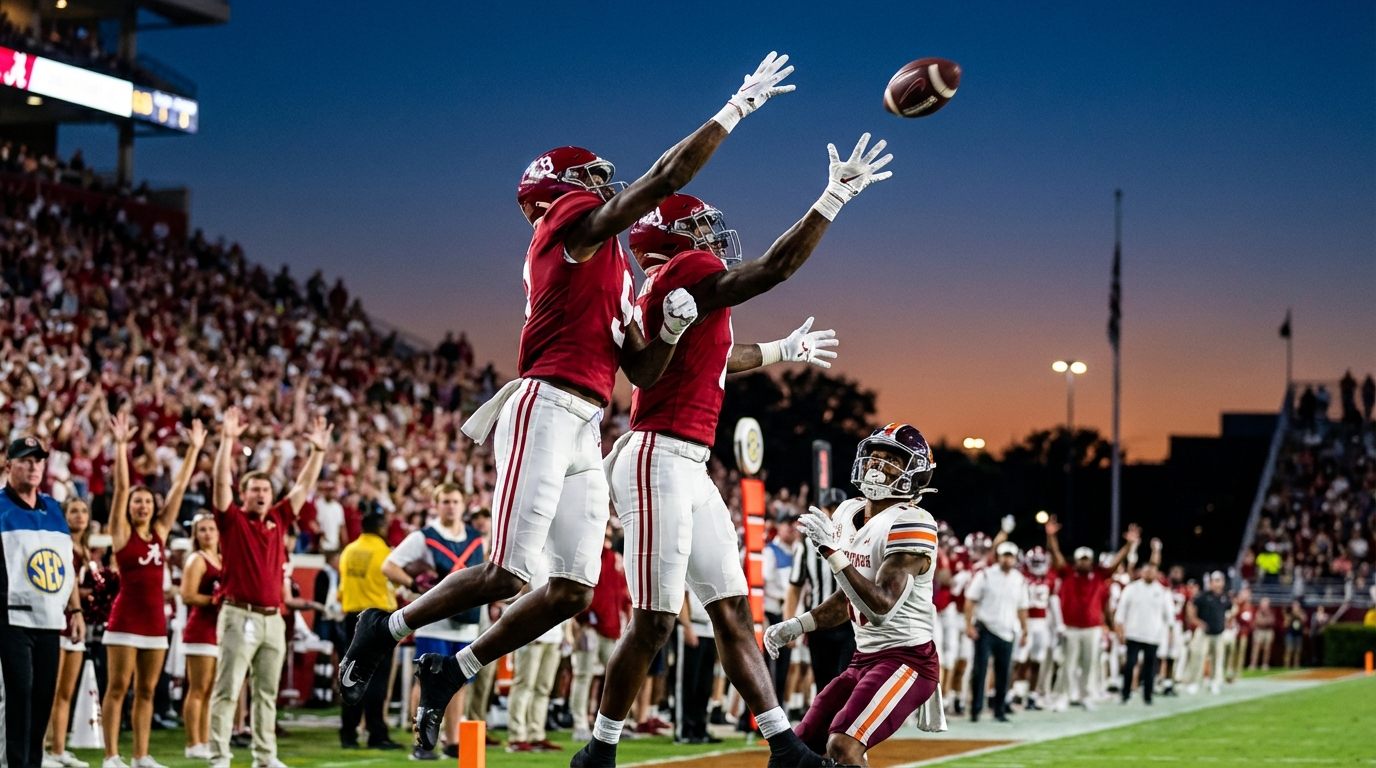
Dijon Lee Jr. and Carmelo O’Neal have turned length into a developmental advantage for Alabama’s secondary. Because both players stand 6-foot-4, coaches can teach press techniques that hide routes and disrupt timing. Lee grew noticeably during the 2025 season, and he finished with 34 total tackles, five pass breakups, 4.5 tackles for loss, and two interceptions. Moreover, Lee arrives at spring practice as a true sophomore in 2026 with real game experience. As a result, his confidence and technique have advanced quickly.
Ha Ha Clinton-Dix noticed the work ethic. As he posted to X, Clinton-Dix wrote, “This is what separates you from others. The grind is important. Hang and train.” Therefore, staff and teammates expect continued growth. Zabien Brown added praise and perspective, saying, “I think Dijon Lee really stepped forward, and I’ve seen his game really develop, and he started to produce a lot more, I would say.” Brown also said, “The sky’s the limit for a guy like Dijon.” These comments highlight both talent and the culture building around Alabama’s defensive backs.
Alabama football 6-foot-4 cornerbacks: On-field impact and spring practice
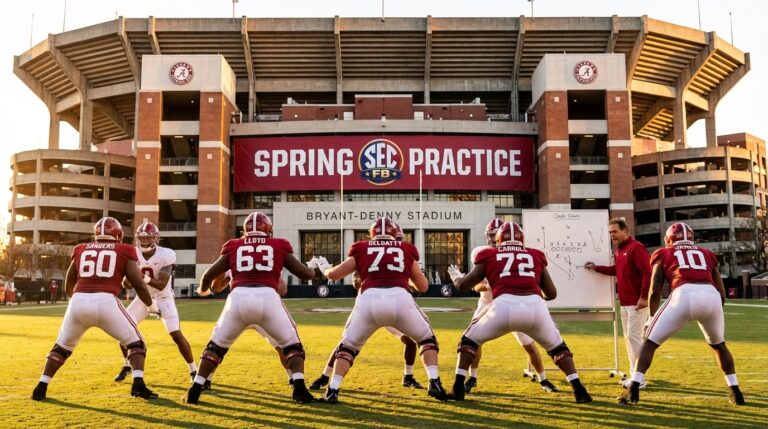
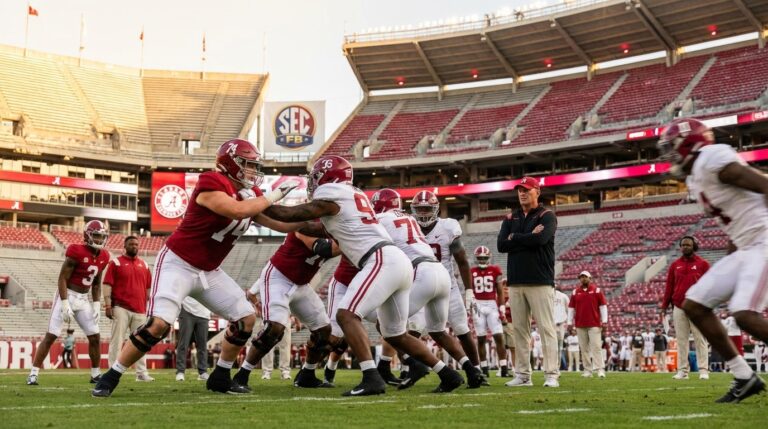
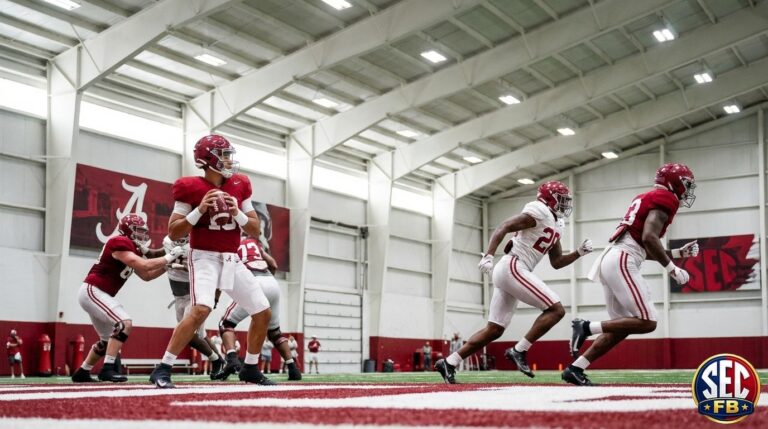
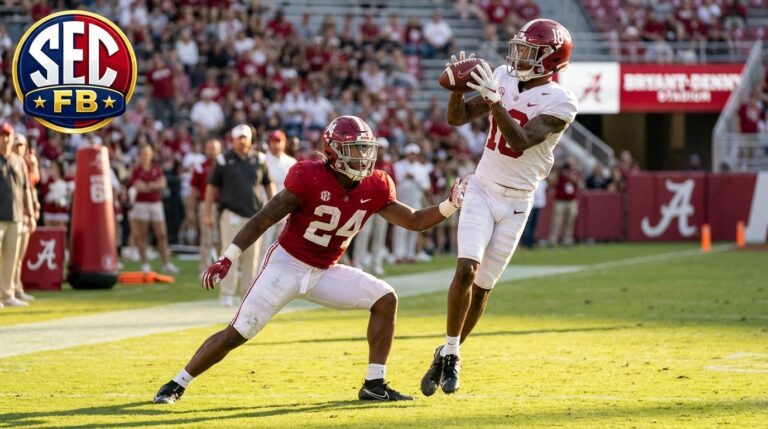
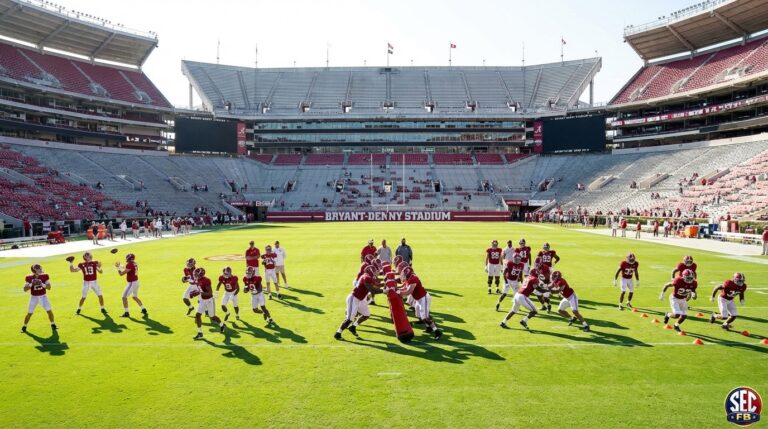
Length matters in coverage and run support, and these corners provide both. Because long arms increase contesting range, quarterbacks face tighter windows on deep shots. Additionally, the pair helps the run game by setting the edge and leveraging size against bigger receivers and tight ends. During spring practice, coaches have emphasized technique and footwork to complement reach. Therefore, the unit feels more versatile and confident.
While Zabien Brown may still command the top spot, Lee and O’Neal give Alabama options. As a result, defensive calls can vary without losing coverage length. With Bray Hubbard and Keon Sabb behind them, the secondary looks well rounded and ready to push the unit toward elite status.
| Player | Position | Height | Tackles (2025) | Interceptions (2025) | Pass Breakups (2025) | Tackles for Loss (2025) | Games Started (2025) | Role and notes |
|---|---|---|---|---|---|---|---|---|
| Dijon Lee Jr. | CB | 6-4 | 34 | 2 | 5 | 4.5 | Multiple starts | Returning starter; length and playmaking ability |
| Carmelo O’Neal | CB | 6-4 | — | — | — | — | — | Mercer transfer; competing for reps in spring practice |
| Zabien Brown | CB | — | — | — | — | — | — | Top cover corner on the roster; veteran presence |
| Bray Hubbard | S | — | — | — | — | — | — | Starting safety; strong in coverage and run support |
| Keon Sabb | S | — | — | — | — | — | — | Starting safety; physical tackler and communicator in the secondary |
Alabama football 6-foot-4 cornerbacks: How they fit the secondary
Alabama football 6-foot-4 cornerbacks slot into a secondary that blends length with experience. Because the roster also features Zabien Brown, Bray Hubbard, Keon Sabb, and Red Morgan, coaches can mix personnel packages. This group creates matchup problems for offenses on both perimeter and intermediate levels.
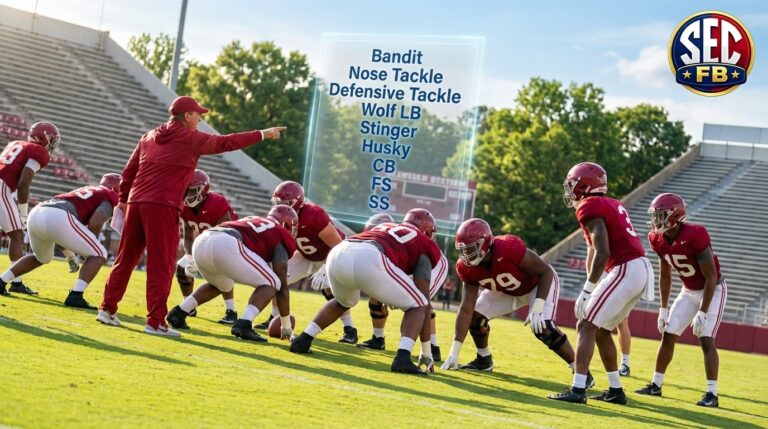
Brown projects as the primary cover corner and will often shadow the opponent’s top receiver. Lee provides length and playmaking ability from the boundary, while O’Neal adds competition and depth. Red Morgan mans the husky role, giving the unit hybrid size and run-fit instincts.
Bray Hubbard and Keon Sabb anchor the safety spots with range and physicality. Therefore Alabama can bring more press looks and still trust help over the top. Because long-armed corners can contest high throws, quarterbacks must change timing.
Alabama football 6-foot-4 cornerbacks: Depth, versatility and 2026 expectations
The length advantage helps the run defense at the edge, where corners can funnel ball carriers. Additionally, long reach improves tackling angles on screens and throws to receivers. Spring practice has emphasized footwork and technique to turn reach into consistent play. As a result, the secondary should be more reliable in late game moments.
Depth matters, and Alabama has it at multiple spots in the defensive backfield. Even if Lee and O’Neal rarely share the field, the coaching staff benefits. Rotational options let coordinators disguise coverage and mix run-support personnel. Expectations for 2026 are high because talent, coaching, and scheme align.
Coaches will rotate often to keep fresh legs and exploit matchups. Moreover, technique work in practice should reduce mental errors under pressure. As a result, the secondary projects to create turnovers and limit explosive plays.
Conclusion
Alabama football 6-foot-4 cornerbacks remain the central reason for optimism in the Tide secondary. Their long reach reshapes receiver windows and contesting angles. Because two players of that size at cornerback are rare, opponents must alter route concepts and quarterback timing.
Dijon Lee Jr. already showed tangible impact in 2025, finishing with 34 total tackles, five pass breakups, 4.5 tackles for loss, and two interceptions. As Ha Ha Clinton-Dix noted, the grind and training set players apart. Zabien Brown’s praise for Lee’s development signals a culture that prioritizes growth.
Beyond Lee and Carmelo O’Neal, depth with Brown, Red Morgan, Bray Hubbard, and Keon Sabb gives Alabama flexibility. Therefore coaches can mix packages that aid run defense and pressure passing lanes. Spring practice emphasis on footwork and technique should turn length into reliable, repeatable play.
In short, the profile of Alabama football 6-foot-4 cornerbacks gives the Tide a tangible edge heading into 2026. For trusted SEC analysis, see SECFB LLC and follow @ZachGatsby on Twitter. The outlook is bright and the secondary looks ready to make big plays.
Frequently Asked Questions (FAQs)
What makes Alabama football 6-foot-4 cornerbacks unique?
Players with that length offer wider contesting range and better reach on the perimeter. As a result, quarterbacks must adjust timing. Coaches gain flexibility to press and disguise coverages. Those traits also help in run support and on screens.
Will Dijon Lee Jr. and Carmelo O’Neal play together often?
Staff will deploy them based on matchups and game flow. Sometimes they will share the field. However, rotations will keep the unit fresh and allow tailored packages.
How do lengthy corners change defensive play calling?
They let coordinators expand press schemes and trust single-high help more. Therefore the defense can gamble on tighter windows and bait risky throws.
Do long corners reduce big passing plays?
Yes. Their reach helps contest deep throws and high-point catches. Consequently opponents must find shorter throws or work the middle more.
What should fans watch for in spring practice and preseason?
Look for cleaner footwork, improved break on the ball, stronger tackling in space, and how coaches mix personnel packages.