The Alabama Florida State rematch carries weight beyond a late-season rivalry tilt because it is a direct measuring stick against last year’s upset and an early test of how much this roster has changed in 12 months.
Local coverage has traced how the Crimson Tide’s front seven was rebuilt in the portal and how sophomore quarterback Keelon Russell’s dual-threat growth could determine whether Alabama answers the 31-17 loss in Tallahassee. Reporting appears from The Crimson White and on-field results are already providing a clearer picture.
Key Takeaways
- Alabama returns two starters on offense and five on defense from the team that lost in Tallahassee, creating a mixed blend of continuity and turnover across key units.
- After zero sacks through two games in 2025, Alabama has recorded seven sacks through two games in 2026, highlighting an early pass-rush reversal that matters against Florida State’s offense.
- Kane Wommack’s third-year overhaul of the front seven and transfer additions are central to the Tide’s defensive identity ahead of the rematch.
Alabama Florida State rematch defensive reset and roster shifts
Kane Wommack arrived at this season having refitted his front seven following a Rose Bowl performance that exposed pass-rush and run-fit weaknesses. The coordinator moved quickly in the transfer portal after the season, reshaping an area that had underperformed versus power fronts.
Departures included high-profile exits that left holes to fill: Qua Russaw and James Smith left for Ohio State, Jordan Renaud transferred to Ole Miss, and Keon Keeley moved on to Notre Dame. Alabama answered with a notable group of additions from across the Power Five.
The new arrivals — Terrance Green, Desmond Umeozulu, Kedrick Bingley-Jones, Devan Thompkins and Caleb Woodson — have already factored into game-day rotations. Through two games, the Tide’s front has produced more consistent pressure and had a visible effect in the win over Kentucky.
What has actually changed on game days
Production has moved from anemic to disruptive in short order; the team went from zero sacks through two games in 2025 to seven through two in 2026. That uptick manifested in a 45-17 win over Kentucky where Woodson and Thompkins combined for all four sacks in that contest.
Thompkins also forced a pivotal fumble on Kentucky quarterback Kenny Minchey, swinging field position and momentum. Those plays are the practical evidence Wommack needed to demonstrate the front’s retooling is more than schematic talk.
Secondary and situational strength
Alongside the front seven’s emergence, Alabama’s defense has tightened situational football metrics to open the season. The unit allowed only one third-down conversion on 23 attempts to open 2026 and generated two pick-sixes early in the year.
Those trends matter in a rematch because they change how Alabama can dictate game tempo, shorten drives for opponents and create scoring opportunities for a young, evolving offense.
Sacks, turnover and personnel comparison
| Category | 2025 | 2026 (through two games) |
|---|---|---|
| Sacks through first two games | 0 through two games; finished the season with 32 total sacks | 7 through two games, including 4 vs Kentucky |
| Notable front-seven turnover and additions | Departures included Qua Russaw, James Smith, Jordan Renaud and Keon Keeley | Additions included Terrance Green, Desmond Umeozulu, Kedrick Bingley-Jones, Devan Thompkins and Caleb Woodson |
Keelon Russell’s growth and how it shapes the rematch
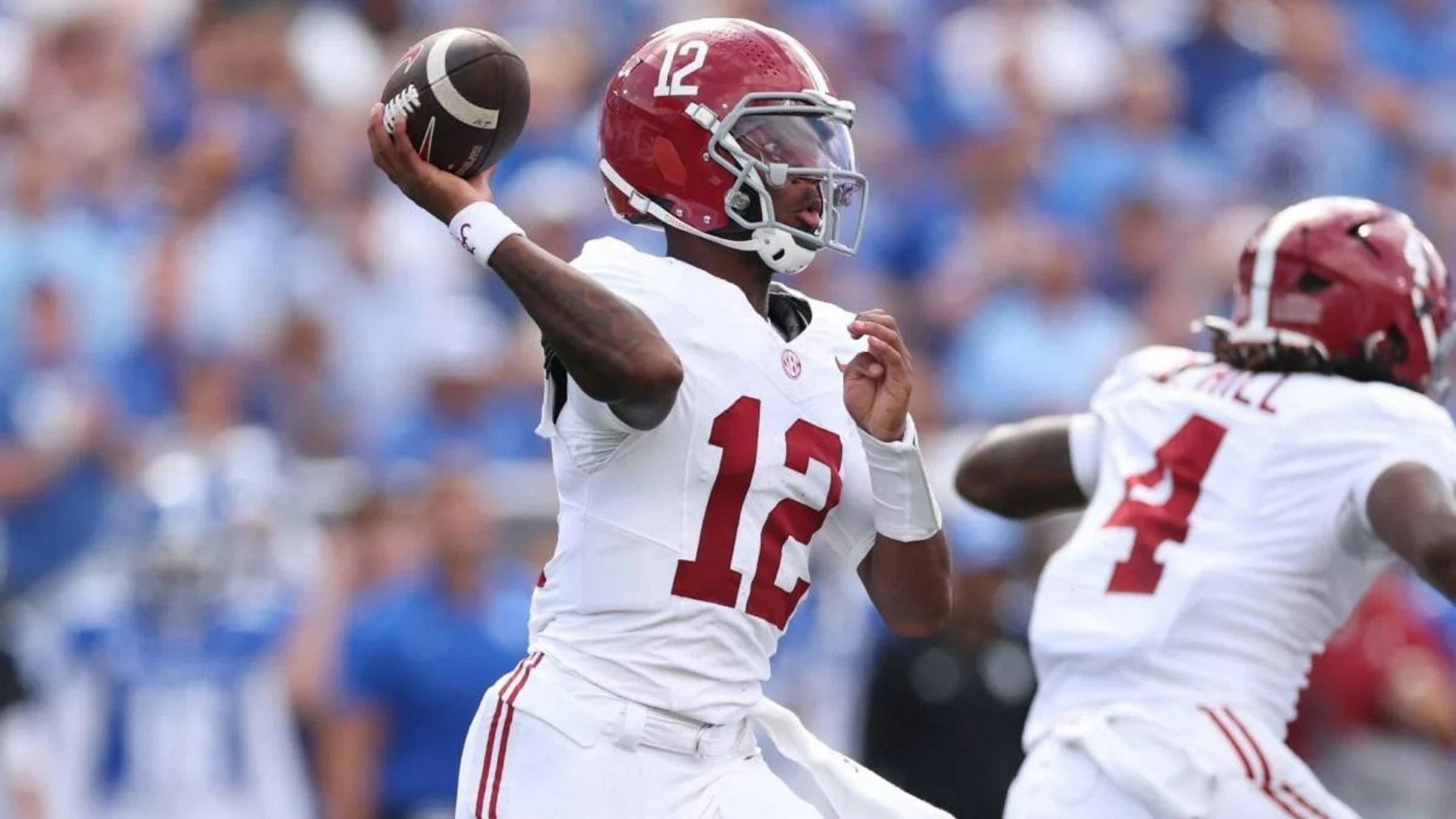
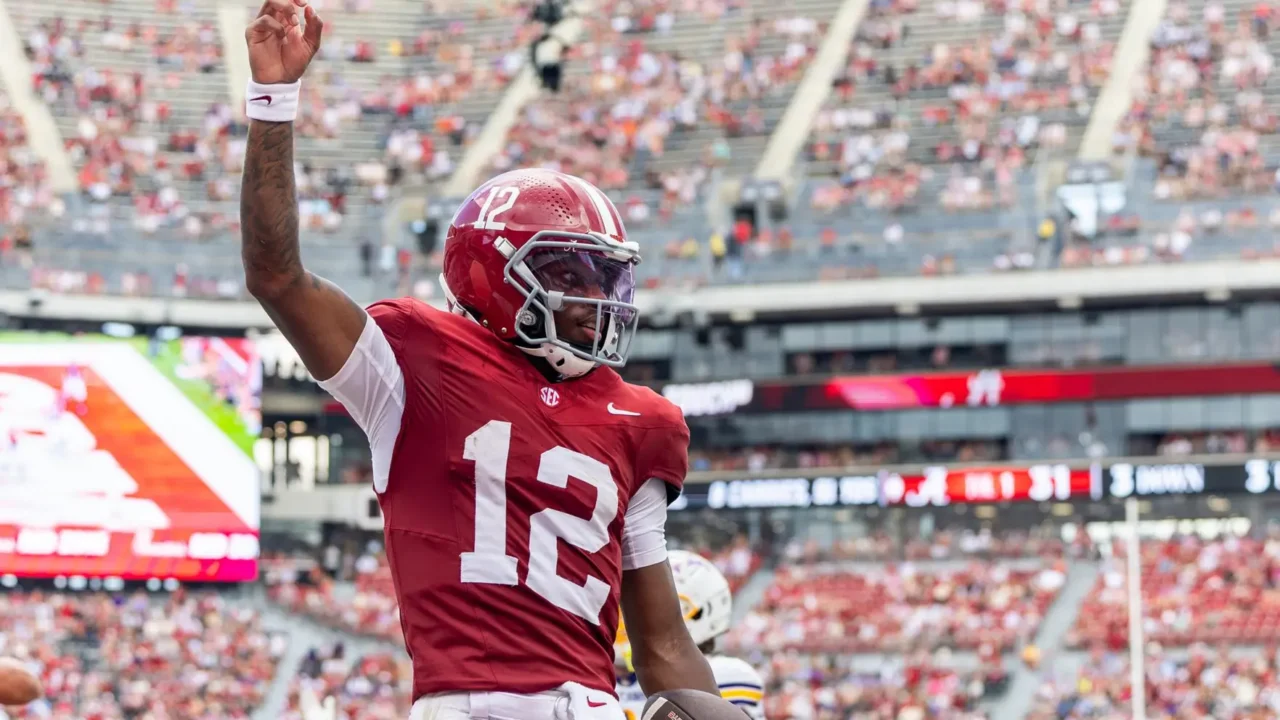
Keelon Russell remains the fulcrum of Alabama’s offensive ceiling and was central to the Tide rally against Kentucky despite turning the ball over three times in that game. His dual-threat skill set — 256 passing yards and 86 rushing yards against East Carolina — offers Alabama a way to diversify reads and keep the Seminoles honest early.
Russell’s tendency to limit downfield attempts through two starts has been an area of focus, and Alabama’s coaching staff must decide how much to force vertical shots versus leaning on his legs and the short-to-intermediate game. Florida State’s defense has shown vulnerability through the air in early returns, which makes quarterback decision-making a decisive factor in Tuscaloosa.
CFP path and SEC pecking order implications
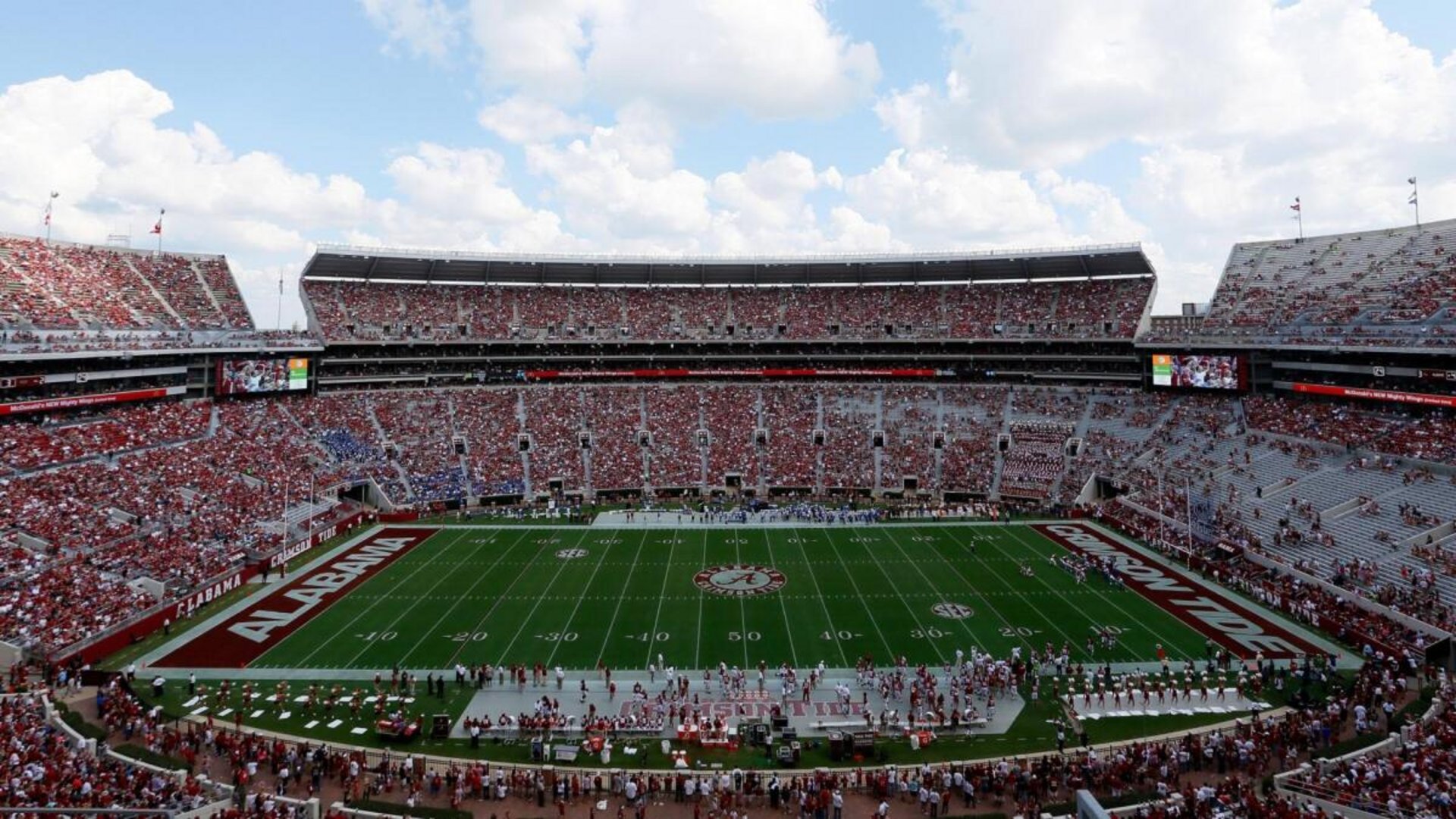
A victory at Bryant-Denny Stadium against a program that upset Alabama last season would carry outsized impact for the Tide’s College Football Playoff resume. A head-to-head win over Florida State would help reverse the narrative from last August and strengthen Alabama’s position in national perception.
Within the SEC, this game functions as a measuring stick for how effectively the Tide can integrate portal pieces into a top-tier defense. The result will affect recruiting conversations and how opponents game-plan against Alabama’s rebuilt front in league play.
For Alabama fans in Tuscaloosa, the rematch is a referendum on whether short-term personnel swings have delivered a durable defensive identity or merely a hot start that needs reinforcement over a longer season.
Reporting for this preview draws on local coverage and game reports that tracked roster movement, sack production and Keelon Russell’s early-season development.