Alabama football recruiting strategy and roster management
Alabama football recruiting strategy and roster management sits at the center of the Crimson Tide’s offseason plan. Kalen DeBoer leads with a clear vision, and he balances immediate needs with long term growth. In this introduction, we examine the 2027 class, staff hires, transfers, and roster moves.
Quick snapshot
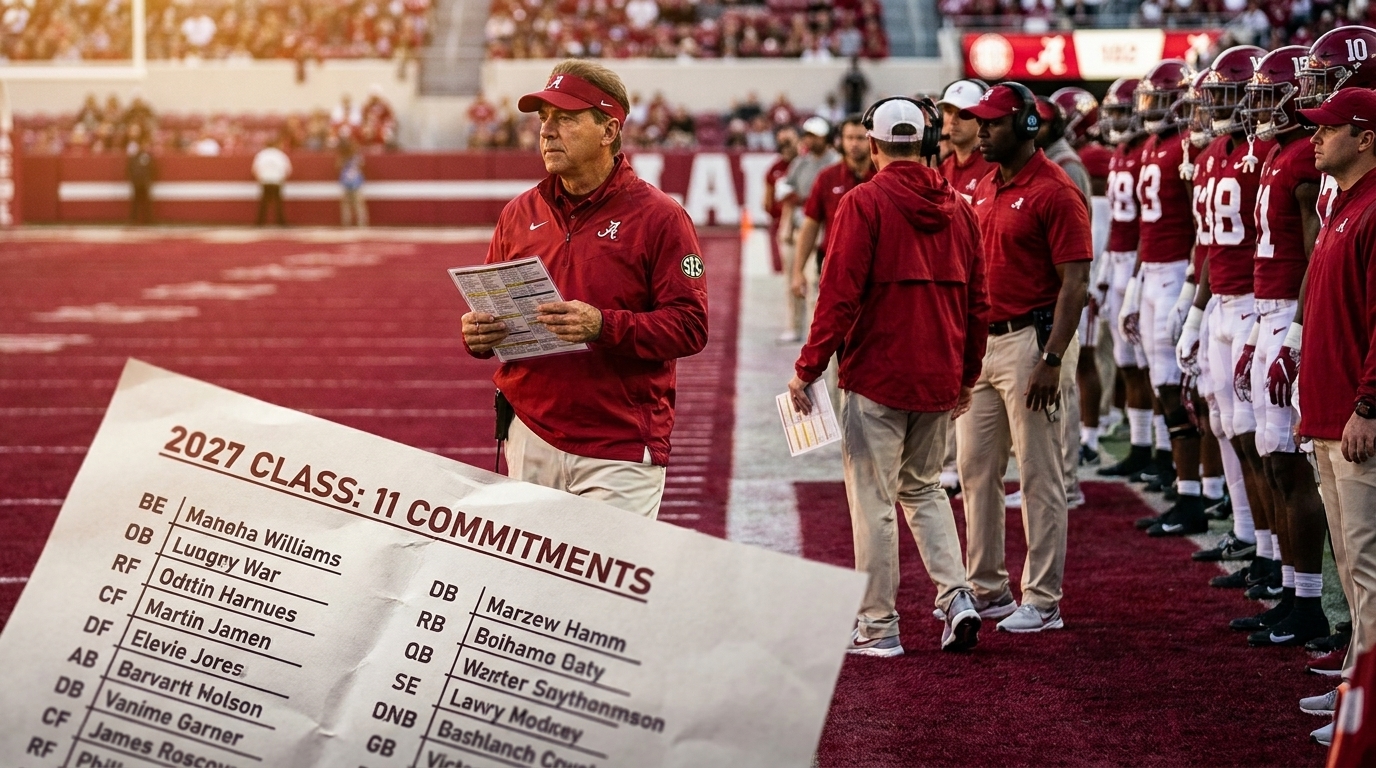
- 2027 recruiting class: 11 commitments so far, and that number should climb before the week’s end.
- Staff hire: Viane Talamaivao joined as offensive line assistant. DeBoer called him Adrian Klemm’s right hand, and he brings experience from USC and Oregon.
- Transfer impact: Josh Ford transferred from Oklahoma State and adds depth to the offensive line group.
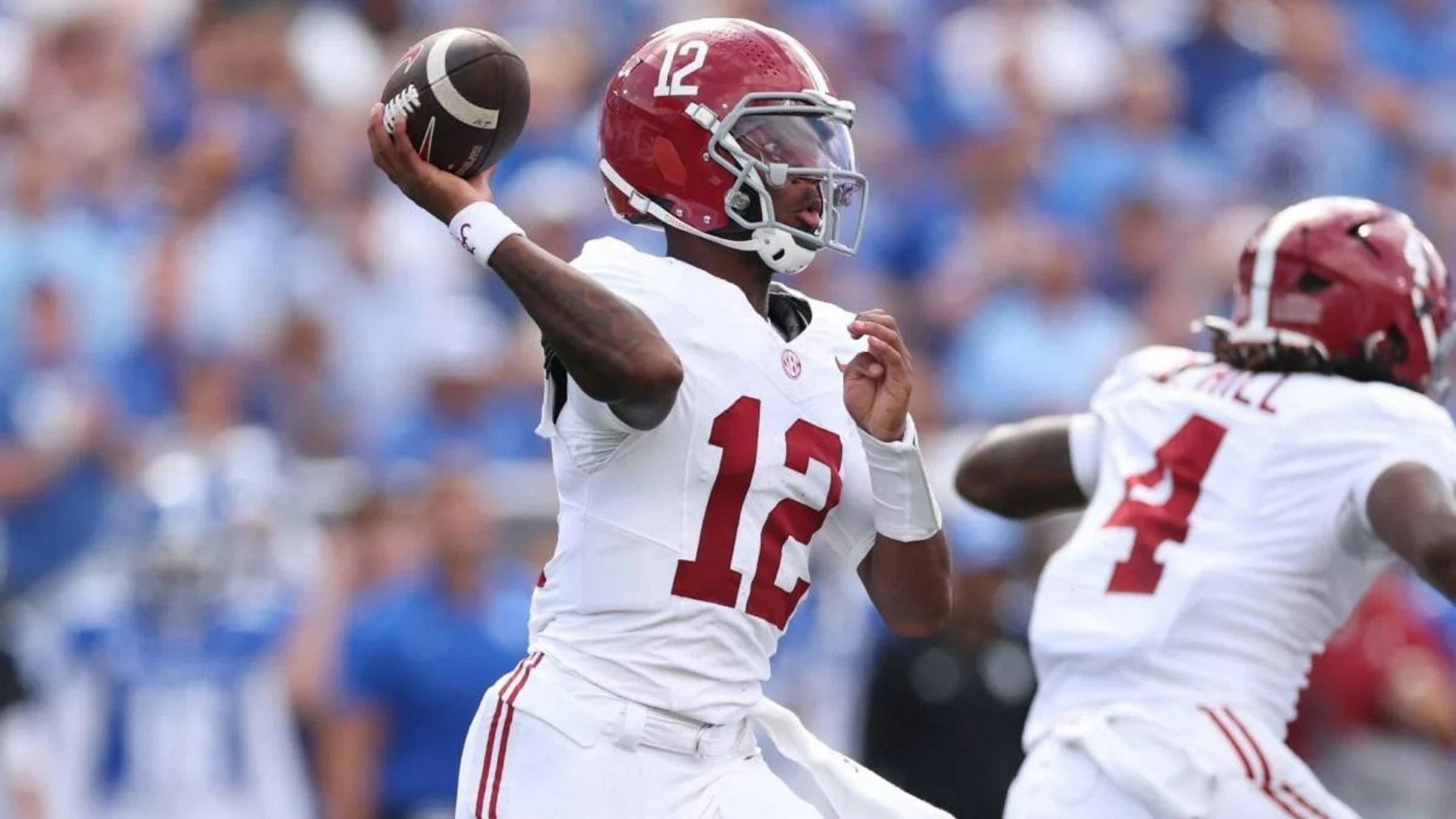
- Quarterback race: Austin Mack and Keelon Russell are competing for the starting job, and both show leadership and potential.
- Scheme emphasis: DeBoer plans to use tight ends as extra run blockers, therefore boosting the ground game and gap control.
- Roster reality: DeBoer cautions that a large incoming freshman class will create attrition, so careful roster planning is required.
- Off-field note: Former Tide cornerback Terrion Arnold faces legal charges; his case remains active and outside voices have publicly commented.
This introduction sets the tone. Read on for a confident, evidence driven breakdown of DeBoer’s recruiting priorities and roster management tactics.
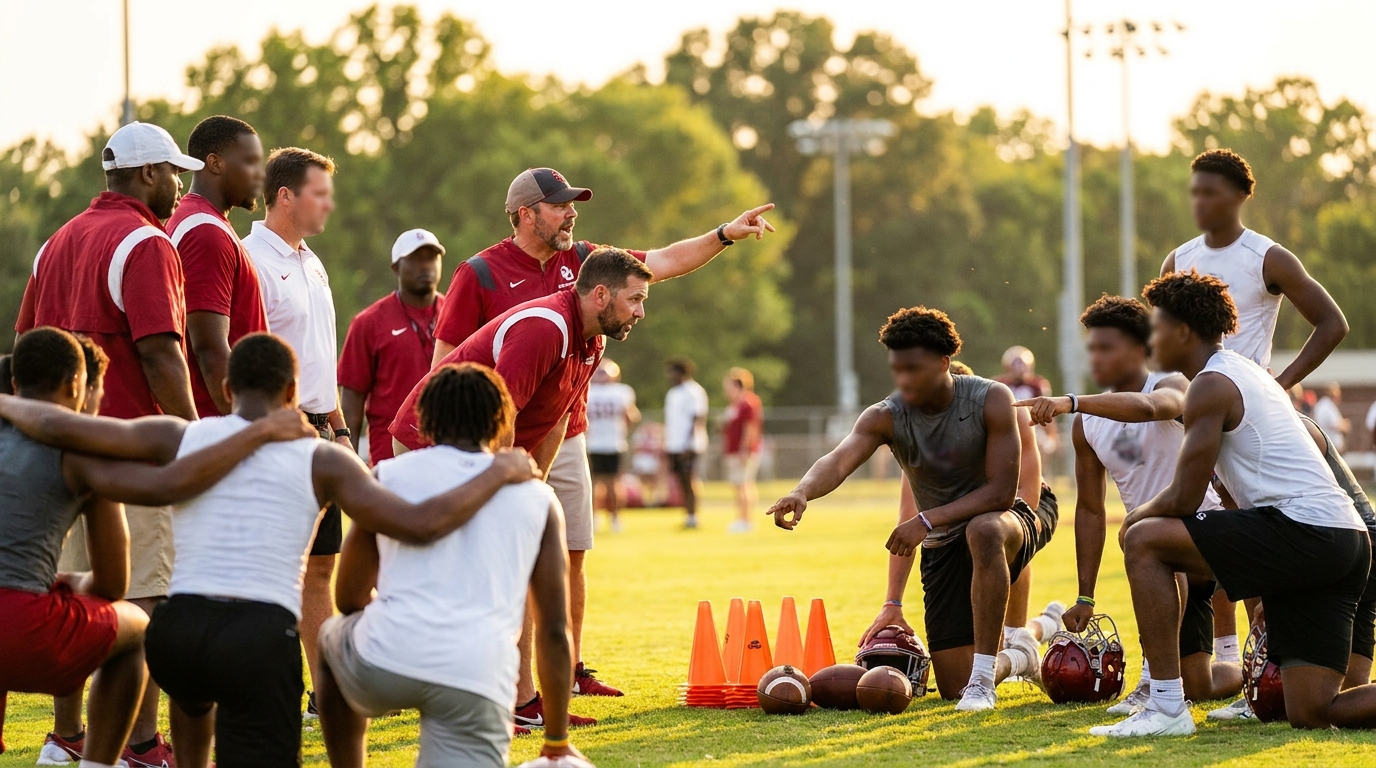
DeBoer’s approach to Alabama football recruiting strategy and roster management
Kalen DeBoer runs a lean, modern recruiting machine. He blends national reach with clear roster priorities. His message focuses on development, retention, and smart addition. As he said, “But you take what you have, and you maximize it.” Therefore, DeBoer asks coaches to recruit for fit and for depth.
Staff integration and the Talamaivao effect
Viane Talamaivao arrived as the offensive line assistant. He started 37 games at USC from 2014 to 2017. He also coached at USC, Oregon in 2022, and Stanford. DeBoer called him “Adrian Klemm’s right hand,” and noted the boost to line play. In short, Talamaivao brings tackle line experience and a tough run game mindset.
Key impacts
- Coaching pedigree: Talamaivao coached in major P5 programs. He knows modern blocking schemes.
- Player buy in: DeBoer praised his energy in the run game, saying the approach becomes contagious.
- Depth building: The staff expects him to accelerate linemen development and spot early weaknesses.
Recruiting priorities and roster balance
DeBoer emphasizes targeted recruiting over volume. He wants players who fit the system immediately. He also warns about roster churn. As DeBoer explained, a big incoming class causes attrition. Therefore, planning must protect current players while bringing new talent.
Practical steps
- Prioritize positions of need, especially trenches and tight end depth.
- Use transfers selectively to plug experience gaps, as with Josh Ford from Oklahoma State.
- Keep retention high to build experienced cores for future seasons.
DeBoer also leverages momentum. He pointed out recruiting eased after a playoff run. That momentum pairs with clear staff roles to win commitments. For further perspective on SEC recruiting dynamics, see SEC Football and Basketball Roundup. To read about Alabama’s NIL stance, visit Alabama NIL Recruiting Stance. For context on DeBoer’s stability in Tuscaloosa, consult Kalen DeBoer Extension at Alabama.
This staff structure and methodical recruiting plan show how DeBoer blends coaching hires and roster management. As a result, Alabama looks steady and purpose driven heading into fall camp.
Coaching staff changes at a glance
The table below compares recent coaching staff changes and their likely impact on recruiting and roster development.
| Coach Name | Previous Experience | Role at Alabama | Impact on Recruiting/Development |
|---|---|---|---|
| Viane Talamaivao | Played 37 games at USC; coached at USC, Oregon (2022), Stanford | Offensive line assistant | Brings Adrian Klemm partnership; increases offensive line coaching depth; boosts run game energy; helps develop tackles and creates West Coast recruiting ties |
| Adrian Klemm | Veteran offensive line coach with Power Five experience | Offensive line coach | Provides scheme continuity; mentors Talamaivao; attracts linemen via proven coaching pedigree; strengthens gap control emphasis |
| Kalen DeBoer | Head coach coming off a playoff run with strong recruiting momentum | Head coach | Sets recruiting priorities and roster balance; weighs retention versus large freshman classes; uses targeted hires to fill system fit and depth |
Roster Outlook and 2026 competition: Alabama football recruiting strategy and roster management
The 2026 roster shows competition across all levels, and DeBoer prefers to develop depth. Quarterback battles, tight end usage, and strategic transfers shape the depth chart. Therefore, the staff emphasizes players who can contribute quickly and stay long term.
Quarterback competition is a focal point. Austin Mack and Keelon Russell lead the race, and both bring leadership and practice polish. As DeBoer noted, “The guy’s got to move the ball up and down the field, have a presence about him…” Consequently, coaches watch who delivers consistent practice reps under pressure.
Alabama will also lean on tight ends to help the run game. DeBoer stressed the value of the position, saying, “Tight end has been such a critical position to our offense for so many years.” Thus, tight ends serve as extra run blockers, edge extenders, and reliable pass options.
Key players to watch
- Austin Mack — Veteran competitor for the starting quarterback role. Shows command in meetings and poise in 11 on 11 work.
- Keelon Russell — Mobile quarterback with accuracy and leadership traits. Competes directly with Mack for the job.
- Josh Ford — Transfer from Oklahoma State with 16 collegiate games. Adds depth to the offensive front and fills a need immediately.
- Tight end corps — Expected to block and extend edges. They give the run game an extra gap and create matchup problems.
- Offensive line group — Bolstered by coaching additions like Viane Talamaivao. Improved coaching should speed player development.
- Upperclass reserves — Retention matters because experience creates older teams that play well together.
DeBoer warns about roster churn when loading a big freshman class. He said, “If we were just loading up with a whole new freshman class, someone’s got to leave.” Therefore the staff balances incoming talent with current investments.
Ultimately, practice performance will determine starters. As DeBoer put it, “It’s in practice, who’s moving the ball up and down the field with the most consistency.” As a result, expect meritocracy and thoughtful roster management through fall camp.
Conclusion
Alabama football recruiting strategy and roster management rests on clear leadership and careful planning. Kalen DeBoer set a firm direction. He prioritizes fit, development, and retention, and he pairs targeted recruiting with smart staff additions. As a result, the program minimizes needless churn and maximizes player growth.
DeBoer’s staff moves, such as adding Viane Talamaivao, strengthen positional coaching and accelerate development. Moreover, selective transfers like Josh Ford plug immediate gaps. Therefore, Alabama can blend veteran experience with incoming talent. That balance creates roster stability and keeps the Tide competitive.
Looking ahead, the quarterback competition and tight end emphasis show DeBoer’s pragmatic mindset. He rewards practice performance and consistency, and he fosters internal competition. Consequently, starters will emerge on merit, while the roster retains institutional knowledge that wins late in the season.
SECFB LLC will continue to track these developments closely. For more Alabama coverage and SEC analysis, visit SECFB.com. Follow updates and insights on Twitter X at @ZachGatsby.
In short, DeBoer’s strategic recruiting and roster management build sustainable success. Fans should expect a methodical approach and steady progress.
Frequently Asked Questions (FAQs)
What is Alabama’s recruiting strategy under Kalen DeBoer?
DeBoer targets players who fit the system and contribute quickly. He values development and retention over raw haul. Therefore, staff hires and selective transfers support readiness. In short, he balances national reach with roster continuity to maintain depth and long term success.
How do recent staff hires like Viane Talamaivao affect recruiting and roster development?
Talamaivao brings Power Five coaching experience and playing background. He strengthens offensive line coaching and accelerates player growth. As a result, Alabama can recruit linemen with West Coast ties and convert recruits to starters faster. This hire boosts both development and recruiting credibility.
Will a large incoming freshman class cause roster churn?
Yes, a big class can create attrition. DeBoer warned that loading up freshmen forces some players to leave. Therefore, the staff plans to protect current investments. They aim to manage scholarship counts while keeping veteran leadership intact for continuity.
How are transfers and tight ends used to manage depth?
Transfers plug immediate experience gaps, like Josh Ford at the offensive front. Tight ends serve dual roles. They add blocking in the run game and create matchup mismatches in the pass game. Consequently, both tools shorten time to readiness for key units.
What determines who wins starting roles and stays on the roster?
Coaches reward practice performance and consistency. As DeBoer noted, practice reps reveal who moves the ball most consistently. Therefore, meritocracy drives decisions, while retention policies seek to keep experienced groups together for late season success.