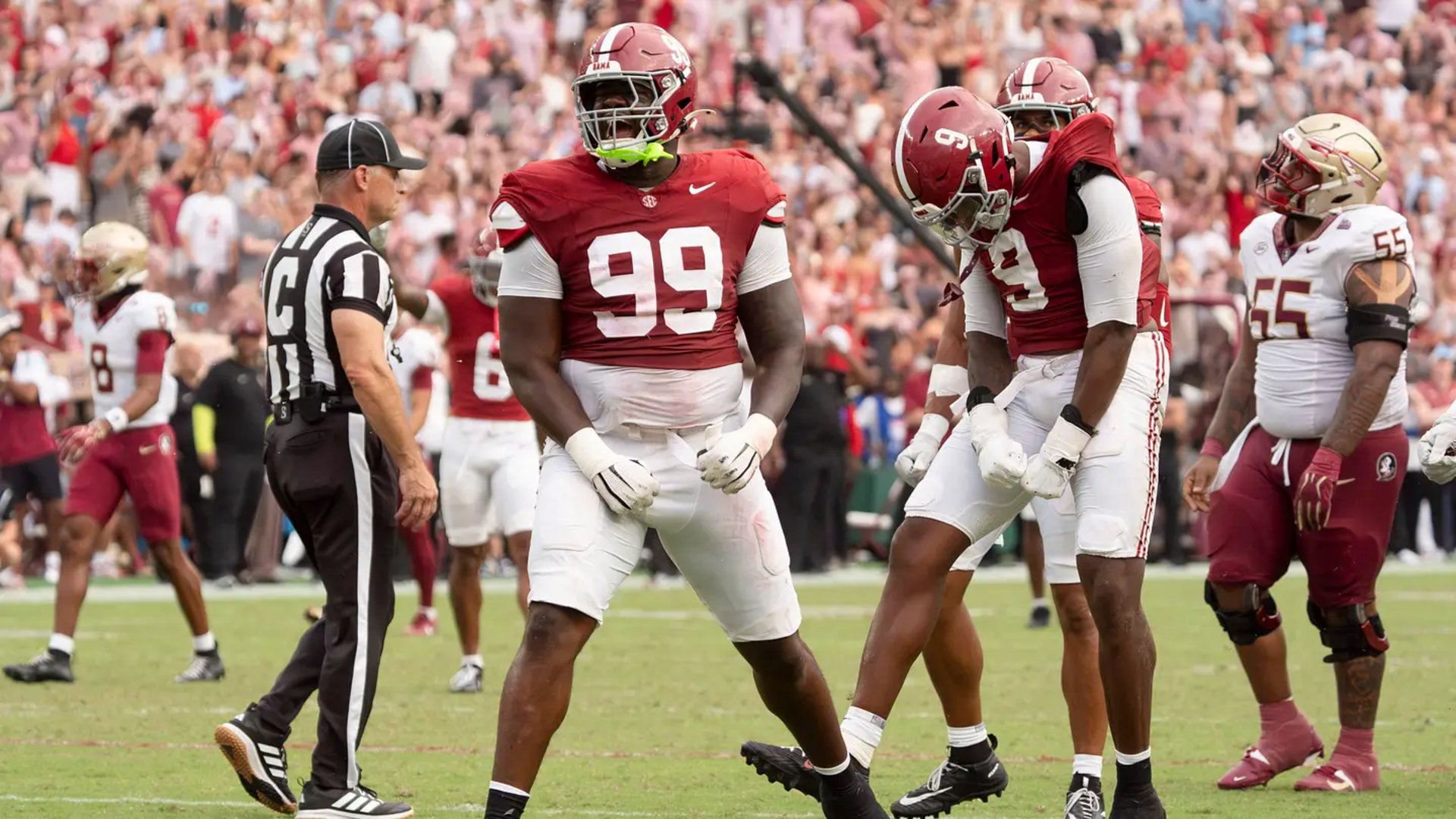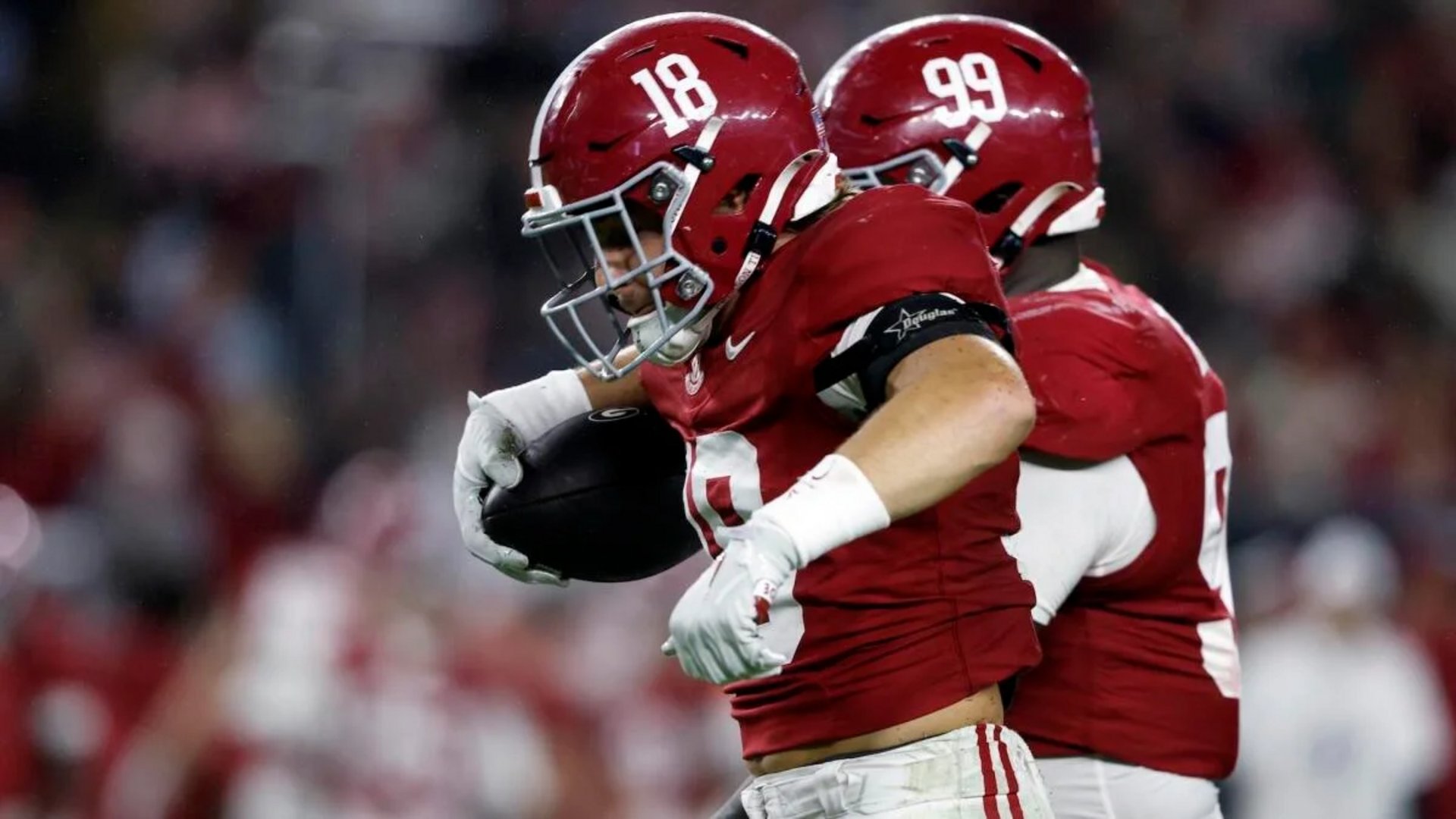
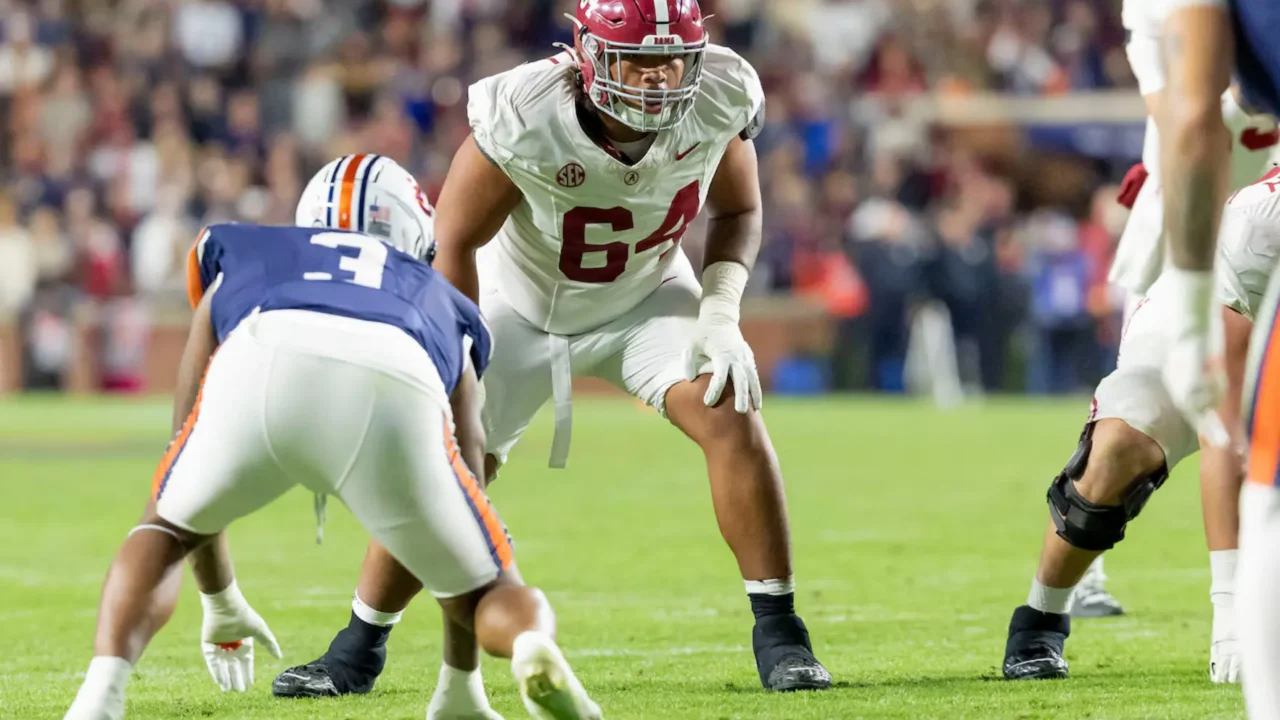
A reported loss of an offensive line starter is the breaking roster development that will shape Alabama’s week of preparation for Kentucky. Losing a starter on the offensive front alters how the staff balances run-call emphasis, protection calls and substitution patterns in a short week.
A local report from AL.com says the program will be without a crucial offensive line starter for the Kentucky game, forcing an immediate evaluation of the depth chart and game-day assignments for Alabama football.
Key Takeaways
- A reported starter will be unavailable and forces an immediate re-evaluation of the offensive front.
- The absence raises clear questions about depth at the position and who will absorb critical snaps.
- Game planning for Kentucky will need altered personnel groupings and play calls to limit exposure along the line.
Impact on the run game
A sudden vacancy on the offensive front affects combination blocks, timing on pulls and the spacing that powers outside-zone concepts. Continuity between linemen is a core factor for reach and second-level combo work, and a new front five can blunt timing-based runs.
Coaches often compensate by emphasizing inside-zone or gap schemes that rely less on long-developing movement and by leaning on quick-hitting run concepts. That lets the offense maintain downhill success while limiting exposure of inexperienced combinations on longer-developing plays.
How the offensive line depth shapes game plan
The availability of experienced backups will determine whether the staff leans on quick passing, rollouts, or two-tight-end sets to add blocking help. Each choice reduces stress on protection but also changes play-calling balance and personnel groupings.
Without public specifics on the reason for the absence, staff decisions hinge on trust in the next-man-up rotation and which backups have practiced at the spot. Those practice reps and scout-team work inform which matchups the staff will prioritize on game day.
Offensive tempo is another lever; scripted series and quick-decision plays can shorten quarterback reads and limit exposure on longer-developing dropbacks. Special teams and heavy packages can also be repurposed to stabilize personnel groupings during critical stretches.
Offensive line depth comparison vs Kentucky
| Aspect | What is known | Context for the Kentucky game |
|---|---|---|
| Starter availability | A report indicates a projected starter will not play | That absence forces an adjustment to the projected starting five and alters matchup preparation for Kentucky’s front |
| Backup depth | Roster depth exists but the exact rotation and experience at the spot are not specified | Coaches must clarify practice reps and snap readiness to determine short-term lineup reliability against Kentucky |
CFP and SEC roster implications for Alabama
In the short term, this roster change is a single-game preparation issue that can ripple into broader roster decisions if the absence persists. College Football Playoff positioning depends on conference results and margins, and offensive-line disruptions can influence tight games that matter for playoff resumes.
From a recruiting and roster-construction angle, depth challenges at a position are a recurring talking point for opponents and a narrative coaches must manage with prospects. The SEC’s extended slate magnifies the need for reliable rotation plans and contingency depth as programs compete for conference and postseason goals.