
The Alabama run game remains a central storyline after the opener, and the Tide’s Week 1 tape offered both encouraging signs and clear work to do. Fixing the issues up front will be essential as Alabama prepares for its first SEC road test.
Reporting from CBS Sports noted that Alabama averaged 3.9 yards per carry on attempts by non-quarterbacks and relied on 49 rushing attempts last weekend, a workload only LSU topped in Week 1.
Key Takeaways
- Alabama averaged 3.9 yards per carry on non-quarterback rushing attempts in Week 1, a mark that flags limited explosion on the ground.
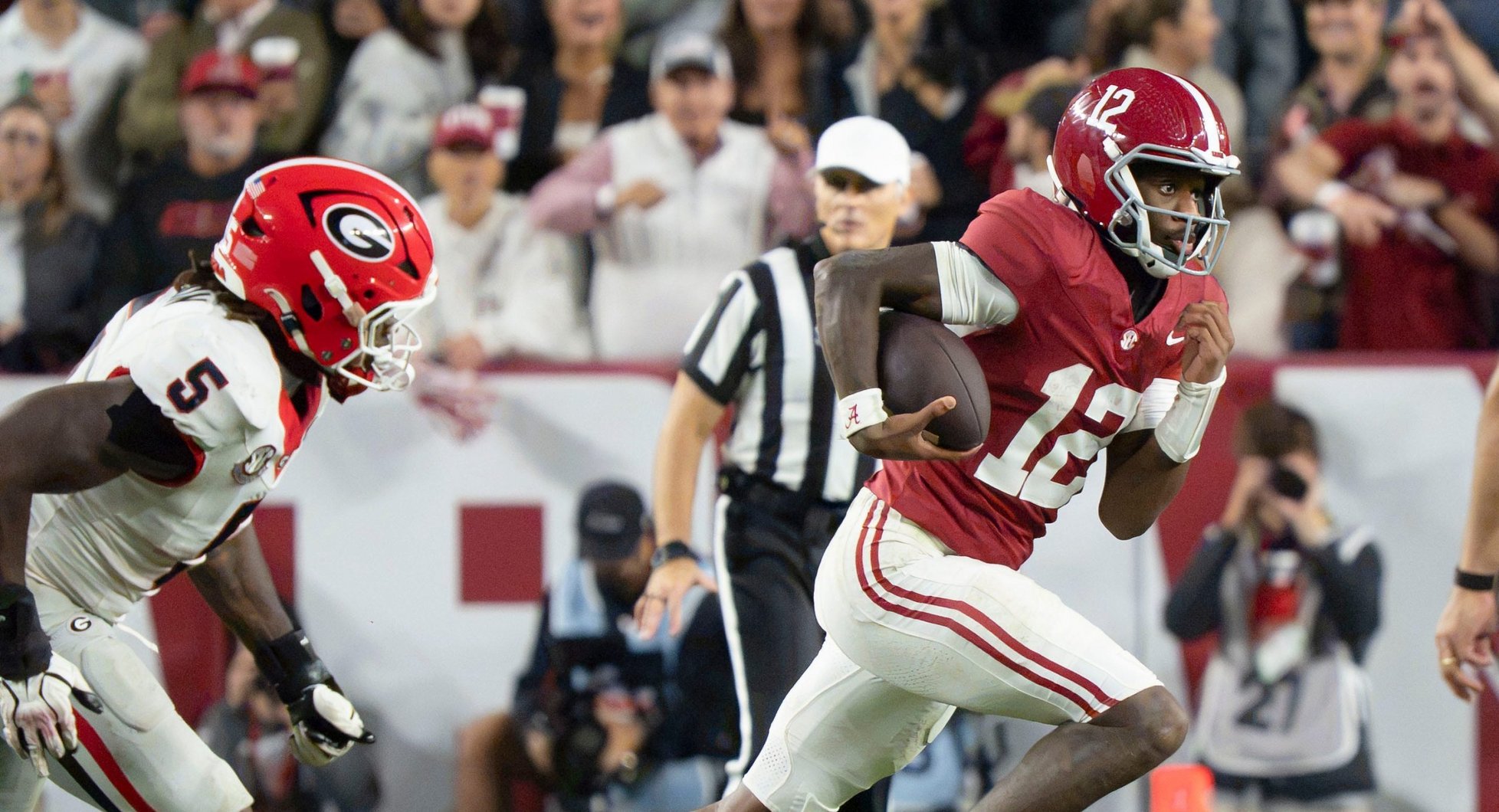
- The Tide’s only 20-plus-yard rushing play was a 23-yard scramble by Keelon Russell, highlighting a scarcity of big non-QB runs.
- Alabama ran the ball 49 times in the opener, one of the highest totals in the league for Week 1 and a sign the staff prioritized a physical identity.
- Kroger Field’s anticipated noise and Kentucky’s roster turnover create a hostile environment that could amplify run-game issues or provide a statement opportunity.
Alabama run game flaws and fixes
Film from the opener showed the Tide regularly winning downfield but occasionally surrendering the critical two- or three-yard negative plays that sink drive efficiency. Those negatives were precisely what coaches singled out as the first area to correct, with a focus on pad level and finishing at the line of scrimmage.
Coaching notes emphasized keeping the pads down and eliminating times when linemen ended up underneath on goal-line stands or where backs were stopped for negative yardage. The team coached the idea that explosive runs require clean pictures up front and consistent techniques at contact.
The lack of non-quarterback explosion was tangible: outside of Keelon Russell’s 23-yard scramble, the running game produced few long, game-changing bursts. That scarcity forced the Tide to sustain long drives and leaned on volume rather than yard-per-carry efficiency.
How personnel and rotations shape the short runs
Keelon Russell’s scramble was the single long play the offense generated on the ground, and that tendency to rely on the quarterback for quick burst complicates how carries are distributed. The opener’s rotation patterns suggested the staff is still identifying how to balance workload between backs while protecting the quarterback-run element.
With 49 rushing attempts in the box score, Alabama showed a willingness to test the ground repeatedly, but volume alone cannot hide execution lapses. The staff must ensure backs and linemen sync on angles and second-level blocks so that carries convert to consistent positive-yardage opportunities rather than episodic gains.
Week 1 rushing context and SEC benchmarks
| Team or Context | Non-QB YPC / Allowed | 20+ Yard Runs | Rush Attempts / Note |
|---|---|---|---|
| Alabama (Week 1) | 3.9 yards per carry (non-QB) | 1 (23-yard Keelon Russell scramble) | 49 attempts; high-volume approach |
| Kentucky (Week 1) | Allowed 2.1 yards per carry; 59 rushing yards allowed | Fewer explosive runs allowed in opener | Strong run-defense showing against Youngstown State |
| SEC Week 1 context | Eight SEC teams recorded at least two runs of 20+ yards | Multiple teams produced more explosive plays than Alabama | LSU posted 58 rushing attempts, the only team with more attempts than Alabama |
SEC and CFP implications for the Alabama run game
How Alabama fares on the ground in Kroger Field will shape early narratives about the offense’s identity and its ability to win physical SEC games. A consistent, downhill rushing attack helps shorten games and protect the defense — two ingredients that matter in conference play and in building a CFP resume.
Kentucky arrives with a wave of personnel change and a staff that has publicly asked for historic crowd engagement at Kroger Field. The Wildcats finished 5-7 last season and opened with a stout run-defense showing, and their offseason additions create a louder-than-usual early test for the Tide’s front.
Alabama’s historical edge in the series and the preseason point spread paint the Tide as the favorite, but early-season proof points — like sustaining the ground game without leaning on quarterback scrambles for explosion — will influence perceptions from recruits and voters alike.
This analysis is grounded in the contemporary game report cited earlier and the on-field metrics available from Week 1.