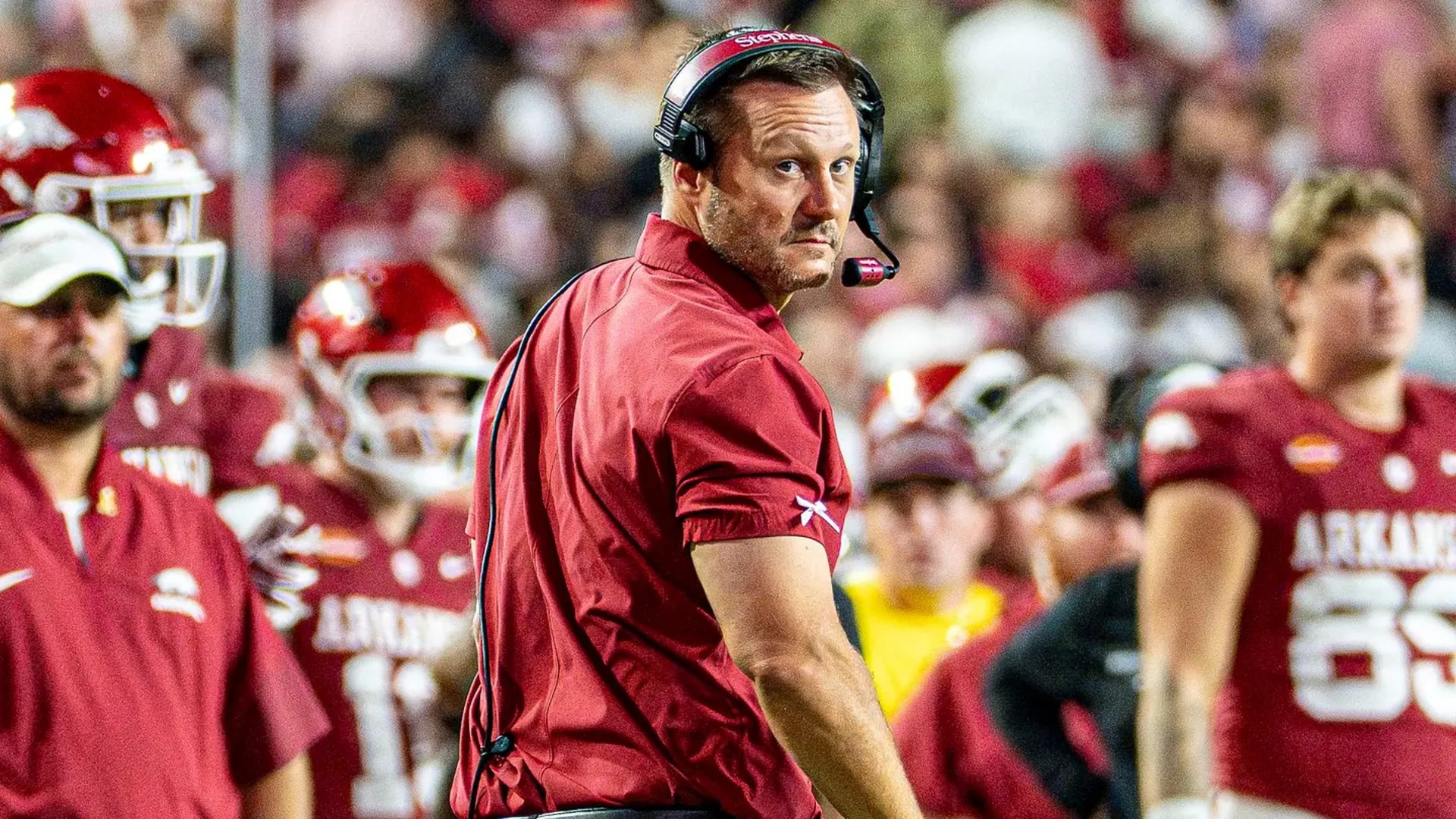
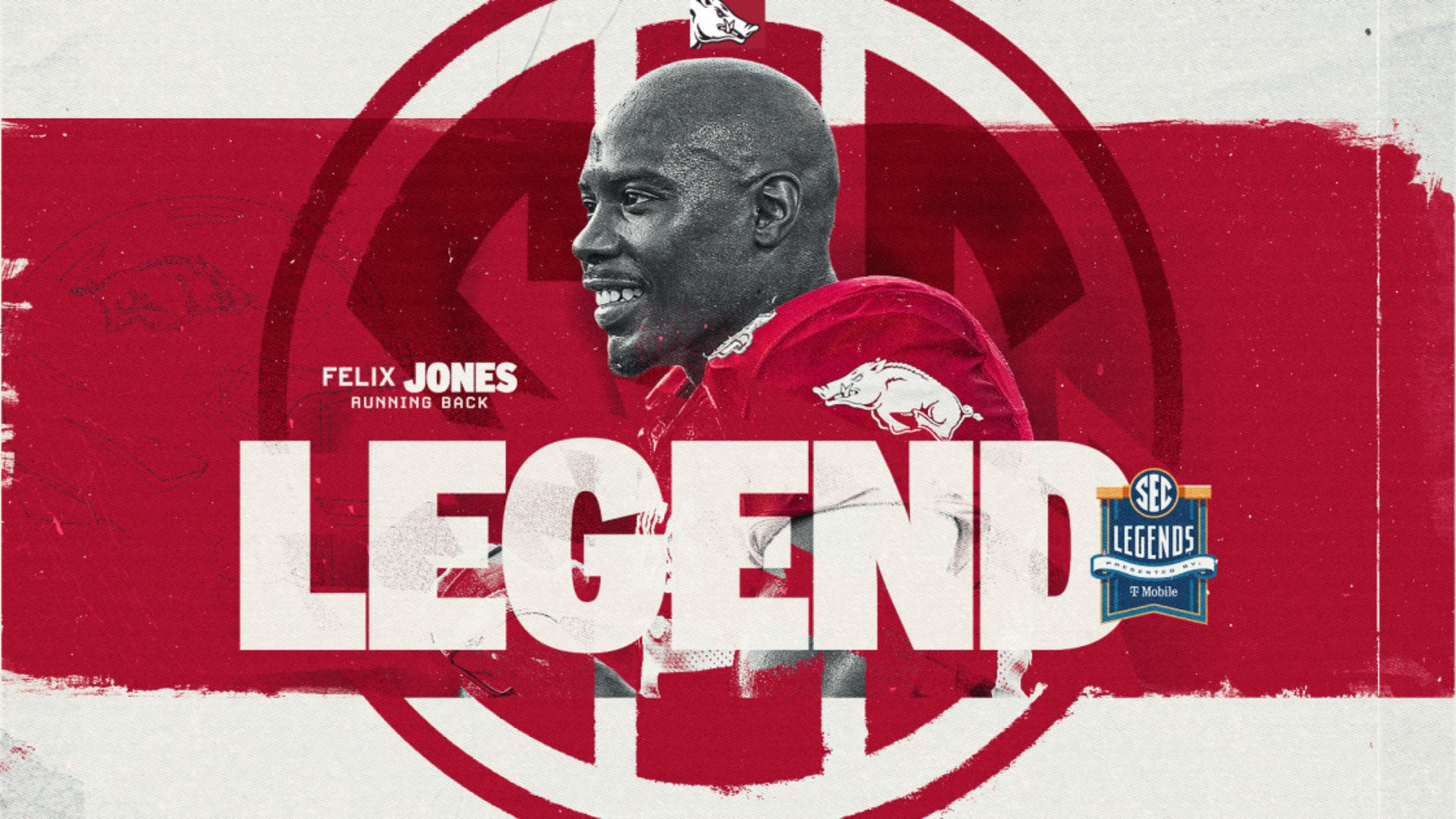
The Arkansas Razorbacks vs Georgia Bulldogs matchup arriving in Fayetteville is more than an early-season marquee pairing; it is a litmus test for a program reeling from a 43-10 loss to Utah and a wake-up call about effort and execution.
With Arkansas totaling just 305 yards in that defeat and Georgia coming off a 70-20 win, team leadership has demanded immediate accountability and a quick internal response as the Razorbacks prepare for their SEC opener, as reported by si.com.
Key Takeaways
- Arkansas opened the season 1-1 following a 43-10 loss to Utah that stalled the offense at 305 total yards.
- Georgia enters Fayetteville ranked No. 2 nationally after a 70-20 victory in its most recent game.
- This matchup is Arkansas’ SEC opener and represents a major test of the program’s effort, discipline and in-game adjustments.
- Team leadership has signaled the situation requires immediate accountability and corrective work before the conference slate begins.
Arkansas Razorbacks vs Georgia Bulldogs
This game sets a clear bar for how quickly Arkansas can translate internal accountability into on-field results. A competitive showing would blunt criticism about effort and preparation; a lopsided loss would deepen concerns about close-game competence and roster construction.
What Arkansas must fix before Georgia
The Razorbacks’ loss to Utah exposed three core problems: effort lapses, schematic stagnation and in-game adjustment failure. The team appeared competitive for only a short stretch before the fight visibly dissipated midway through the second quarter, and that breakdown in response is the most urgent issue to correct.
Offensive production stalled to 305 total yards, underscoring both play-calling limitations and execution problems in the run and short-passing game. Coaches must find ways to re-establish a consistent rushing set or quick passing rhythm to keep Georgia’s front from dictating terms early.
Defensively, the sequence that yielded two late first-half scores against Utah swung momentum away from Arkansas. Personnel alignment and situational communication need immediate attention to avoid similar rapid swings against a deep Bulldogs roster capable of punishing mistakes.
How the program must reassert controllables
Leadership rhetoric has centered on accountability and immediate fixes, with an emphasis on controllable details such as effort, discipline and finishing periods of play. Those are the frontline metrics fans will judge: tackling effort, winning the second-chance battles and playing with consistent situational awareness for all four quarters.
Special-teams performance and third-down efficiency are controllables that can swing tougher matchups. Expect staff to emphasize situational drills and to simplify scripts so players can execute with more conviction against a high-powered opponent.
Arkansas and Georgia matchup context
| Team | Recent result | Clear strength or immediate concern |
|---|---|---|
| Georgia Bulldogs | 70-20 win in last outing | High-scoring offense and depth; ranked No. 2 nationally |
| Arkansas Razorbacks | 43-10 loss to Utah | Offensive stagnation and concerning effort lapses that require correction |
Matchup edges and short-term adjustments
Georgia’s roster depth and ability to rotate playmakers will test Arkansas’ defensive conditioning and depth. To blunt that edge, the Razorbacks will need faster pursuit angles, tighter gap integrity and fewer tackling breakdowns in space.
Offensively, Arkansas must avoid long drives that stall and instead prioritize chunk-yardage plays and tempo adjustments to keep Georgia’s personnel from settling into a pass-rush rhythm. Shorten decision trees for quarterbacks and emphasize high-percentage throws early in the plan.
On situational football, winning the turnover battle and limiting explosive plays are immediate defensive priorities. Small adjustments — downhill edge-setting on runs and more decisive pass-protect calls — can reduce high-impact plays that flip field position quickly.
SEC and College Football Playoff implications for Arkansas
This game carries outsized significance in SEC optics because it is Arkansas’ conference opener against a top-tier rival. A competitive showing would arrest negative narratives about effort and progress, while another lopsided performance would amplify concerns about roster construction and short-term recruiting momentum.
From a broader College Football Playoff perspective, Arkansas is not entering the game as a CFP contender, but the result will matter for recruiting perception and program trajectory within the conference. Demonstrated toughness and cleaner execution in this matchup would give evaluators tangible evidence that the program can close games and develop players under pressure.