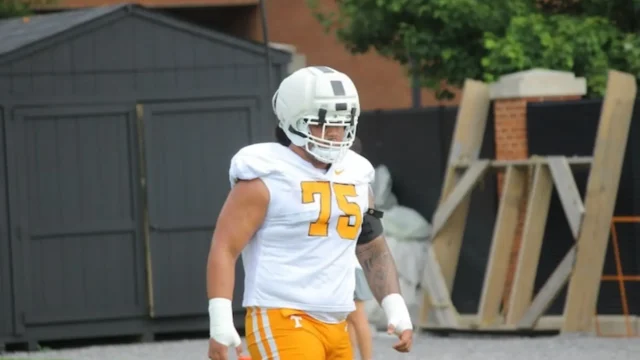

Auburn NIL spending on offense under Alex Golesh has already reshaped recruiting and roster priorities. Moreover, donors and staff have directed resources toward quarterbacks and tackles. As a result, the 2026 class features heavy investment at skill positions. Analytically, this strategy blends targeted cash for proven playmakers like Byrum Brown and Bryson Washington with focused offensive line investments such as Stanton Ramil and recruits like Layton von Brandt, and it signals that Auburn aims to protect its quarterbacks and accelerate Golesh’s offense quickly.
Therefore, while tough decisions and nimble adjustments remain necessary because of budget constraints and evolving NIL rules, the move positions John Cohen, Jimmy Rane, and Golesh to compete in the SEC, build depth at tackle, and seek under the radar gems who can unlock an explosive, balanced attack for the Plains and attract national attention from recruits, media, and donors looking for a return to Tigers prominence.
Auburn NIL Spending on Offense Under Alex Golesh: Strategic Investments and Roster Priorities
Auburn’s NIL spending now targets offensive positions with clear purpose. Moreover, leadership channels funds into quarterbacks and tackles first. As a result, the 2026 class shows heavy investment at skill spots. For example, donors and staff prioritized Byrum Brown at quarterback. Similarly, Bryson Washington and Jeremiah Cobb drew notable NIL attention and resources.
Because the offensive scheme needs protection and playmakers, Auburn balanced cash across roles. Therefore, the staff invested in both talent and depth. Stanton Ramil arrived to protect the blindside and he posted an 82.0 run blocking grade. He also allowed three sacks across 344 pass blocking snaps, which shows both upside and room to grow.
Golesh openly pursued tackle help, and he targets at least one four star tackle each cycle. Accordingly, Auburn won Layton von Brandt over Notre Dame and added Rance Brown from Brentwood Academy. These moves reflect a long term focus on offensive line development and quarterback protection. Meanwhile, the program still hunts under the radar skill players to supplement star investments, echoing past success with small schools like the USF Bulls.
Overall, the NIL strategy blends targeted NIL funds, donor class influence, and traditional recruiting. John Cohen and donors like Jimmy Rane have signed off on key payments to build early momentum. Consequently, Auburn appears competitive in the NIL space, and the plan positions Golesh to deliver an explosive, balanced offense while addressing lingering tackle needs.
Why Offensive Line Protection Matters for Golesh’s Offense
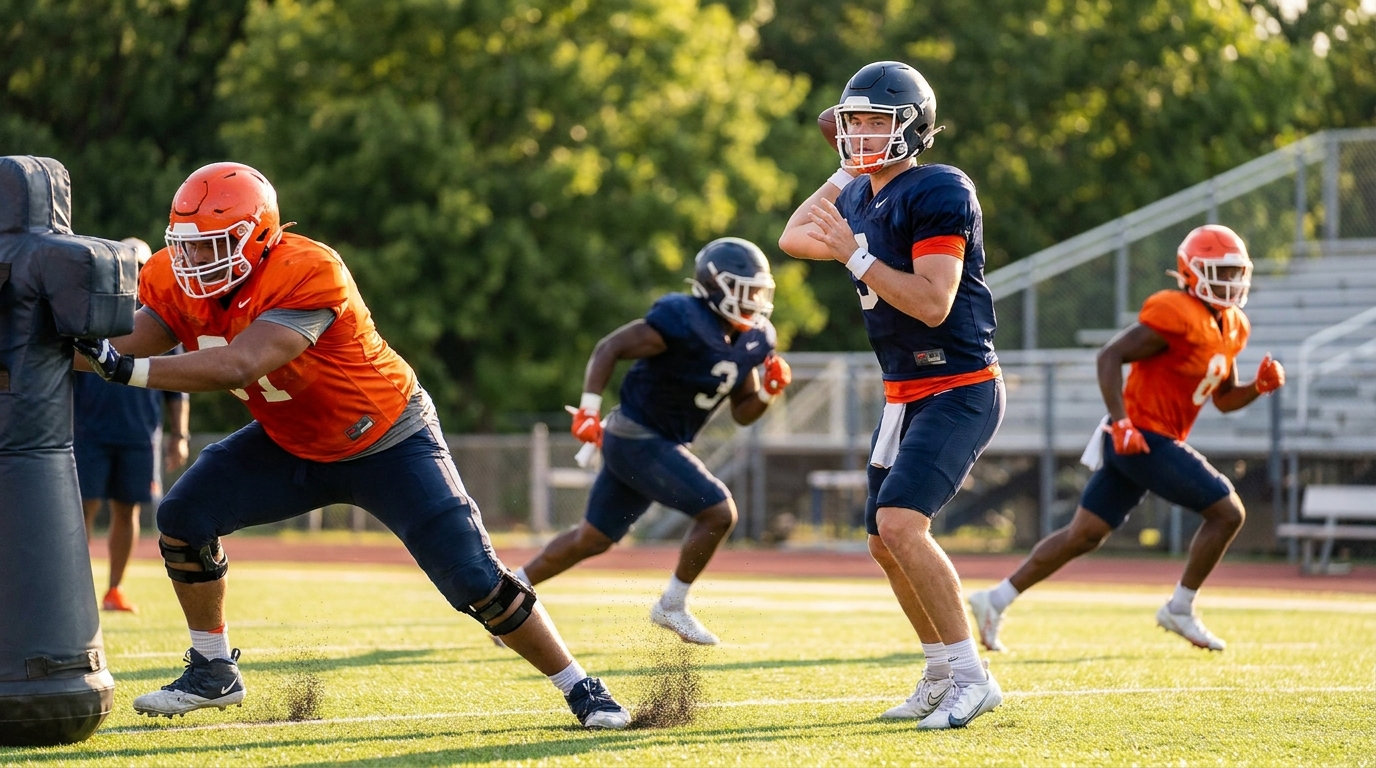
Building on the previous section about Auburn’s NIL allocations, offensive line protection is the foundation of Alex Golesh’s offensive vision. Quarterback time and run schemes depend on a reliable offensive front, so the program shifted money and recruiting focus to tackles and the interior line.
Historical Context
Historically, Auburn struggled to sustain tackle play after the pandemic. Prince Tega Wanogho and Jack Driscoll were the last consistent standouts. Depth dwindled, pressure rates rose, and pass windows narrowed, exposing schematic limitations and underscoring the need for sustained line investment.
Current Investments in the Line
In response, staff and donors funneled targeted NIL funds and recruiting resources to offensive line upgrades. Auburn prioritized at least one four star tackle per cycle, added Stanton Ramil, and landed Layton von Brandt and Rance Brown. These moves aim to restore the blindside, improve pass protection, and strengthen the run game.
Key Players
Standout contributors include Stanton Ramil and the new tackle signees. Their metrics show tangible progress:
- 82.0 run blocking grade — shows run game power and technique
- Three sacks allowed in 344 pass blocking snaps — indicates pass protection upside and areas to refine
Coach Remarks
John Cohen framed the approach with cautious optimism, saying there has been progress and that Auburn is competitive in the NIL space. He stressed that nimbleness will matter as budgets and rules evolve. Ultimately, cleaner quarterback pockets and steadier line play should allow Golesh to run a more balanced, explosive offense.
| Position | Qualitative NIL Investment | Notes |
|---|---|---|
| Quarterback | Very high | Heavy investment to secure and protect Byrum Brown. Therefore, NIL prioritized top signal callers and protection. |
| Tackles | High | Focus on blindside protection. Golesh targets at least one four star tackle each cycle. |
| Skill Positions | High to very high | 2026 saw heavy spending on Bryson Washington and Jeremiah Cobb. Meanwhile, staff seeks under the radar playmakers. |
| Interior offensive line | Medium | Targeted upgrades to boost run game and depth. As a result, coaches plan steady development. |
| Tight ends and receivers | Medium | Strategic investments for scheme fit rather than market leading offers. They complement quarterback protection priorities. |
| Overall offense | Strategic allocation | Funds tilt to quarterbacks and tackles first. Consequently, skill buys follow to balance the attack. |
In short, Auburn NIL spending on offense under Alex Golesh positions the program for growth. The staff has prioritized quarterbacks and tackles to protect them and to build tempo. Consequently, donors and decision makers funneled targeted NIL funds to key offensive roles. The 2026 cycle proved that strategy with heavy investment at the skill positions.
At the same time, coaches pursued four star tackles to shore up protection. As a result, recruits like Layton von Brandt and Rance Brown signal progress. Stanton Ramil’s tape shows run game strength and pass protection upside. However, tough choices remain as budgets and NIL rules evolve quickly.
John Cohen noted progress and warned that nimbleness will matter moving forward. Therefore, Auburn balances big skill buys with steady offensive line development. The aim is to give Byrum Brown and future quarterbacks more time. Ultimately, that should allow Alex Golesh to run a more balanced offense. Fans and donors should feel optimistic, but realistic, about the path ahead.
For ongoing NIL and SEC coverage visit SECFB.com and follow @ZachGatsby on Twitter.
Frequently Asked Questions (FAQs)
How is Auburn NIL spending on offense under Alex Golesh changing recruiting?
Auburn has shifted NIL funds to quarterbacks and tackles. The staff prioritized Byrum Brown, Bryson Washington, and Jeremiah Cobb. Therefore, recruits see clearer financial support for offensive roles. This change aims to protect quarterbacks and accelerate Golesh’s scheme.
Which positions get the most NIL funds?
Quarterbacks receive the most attention, followed by tackles and skill positions. Coaches and donors focus on quarterback protection because it determines offensive success.
Will Auburn keep targeting four star tackles every cycle?
Yes. Golesh targets at least one four star tackle each cycle. As a result, Auburn added Layton von Brandt and Rance Brown to shore up depth.
How do NIL decisions affect tough roster choices?
NIL forces prioritization. Cohen said progress exists, but nimbleness is needed. Therefore, coaches must balance paying veterans and investing in prospects.
What is the outlook for Auburn’s offense?
Optimistic. With targeted NIL funds and line development, Auburn can pair playmakers with better protection. Consequently, Golesh should field a more balanced, explosive offense.