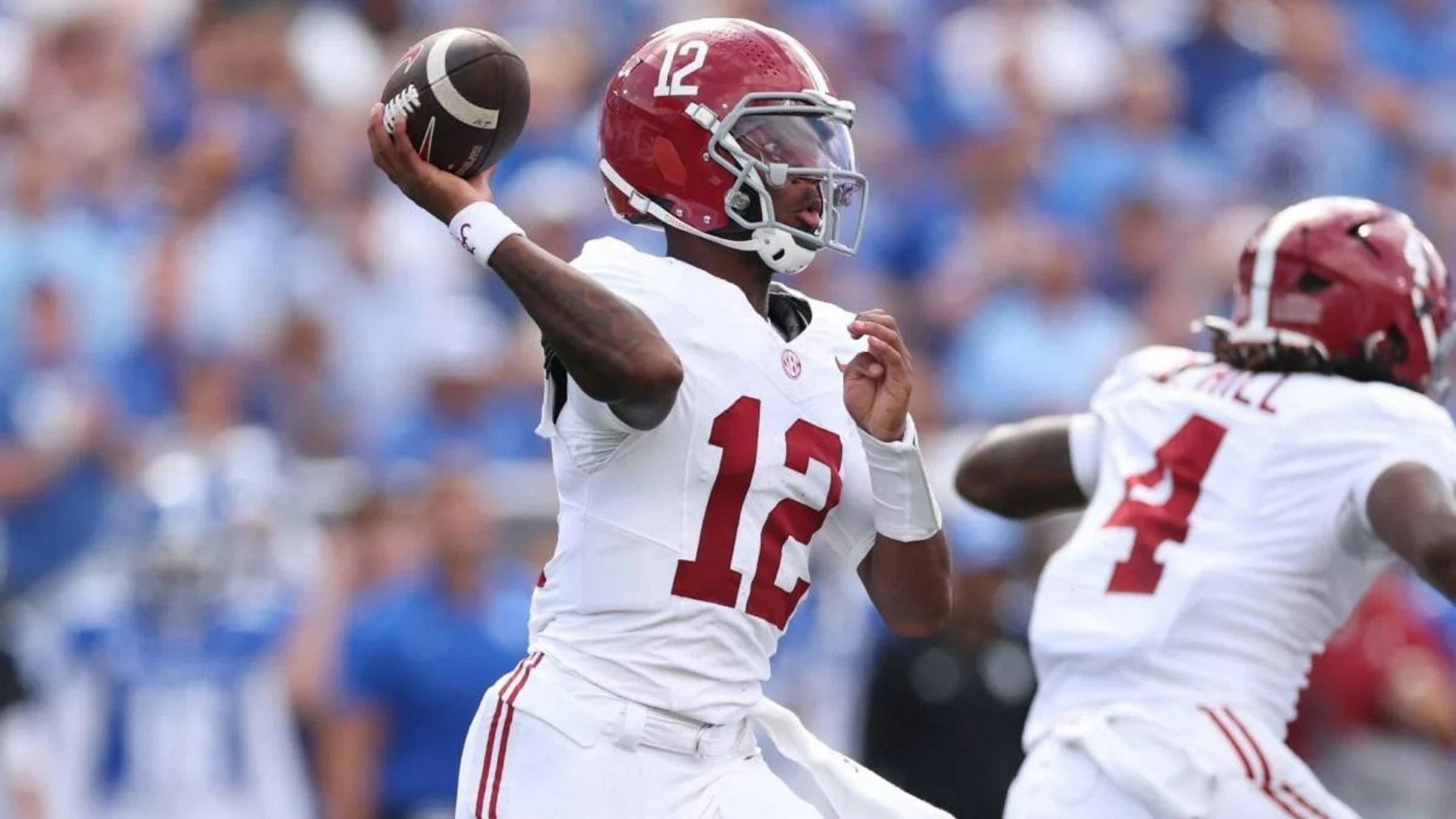
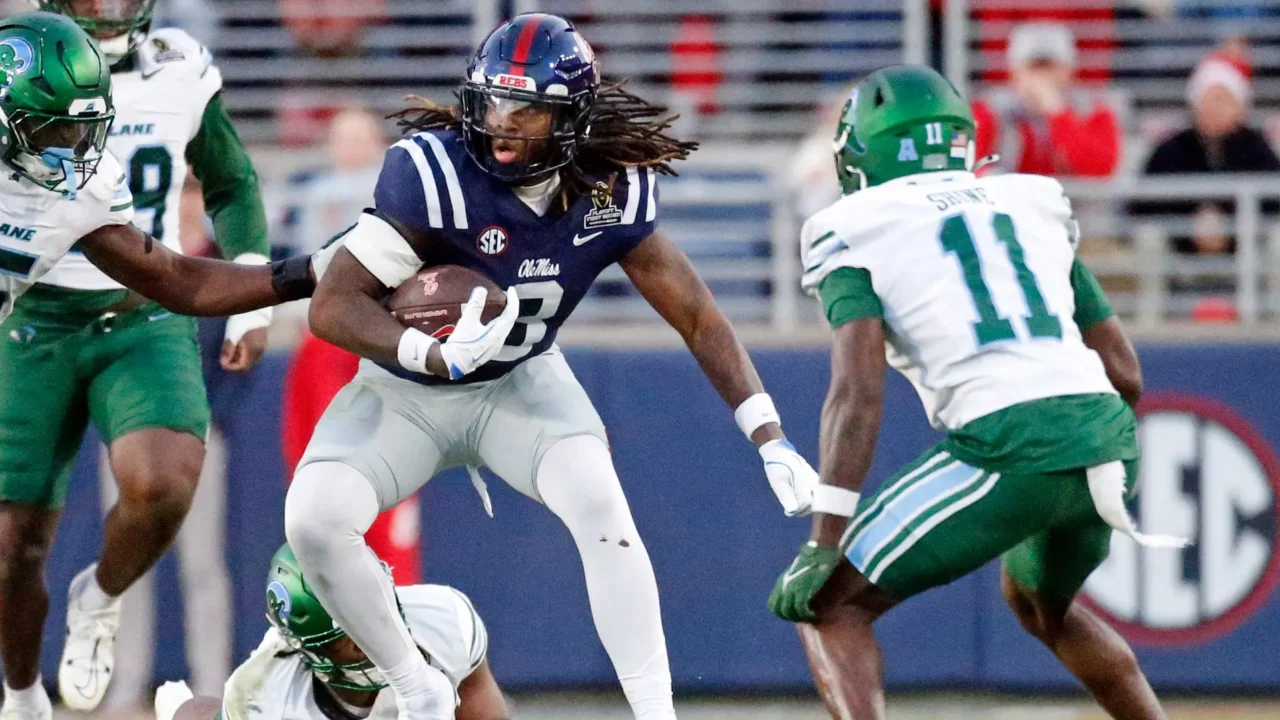
Dae’Quan Wright’s transfer interest surfaced publicly when he said multiple Power Five programs reached out after he entered the portal, a development that matters for LSU fans tracking offseason roster decisions. Reporting on those comments came from Saturday Down South, which noted Wright told The Advocate that Ole Miss, South Carolina and Virginia Tech expressed interest.
Wright’s path includes college stops and a brief professional stint, creating eligibility questions that factor into how coaches allocate scholarship and roster resources. That mix of production and paperwork is why his name circulated among SEC staffs during the portal window.
Key Takeaways
- Dae’Quan Wright said Ole Miss, South Carolina and Virginia Tech expressed interest after he entered the transfer portal.
- Wright spent time with the Cleveland Browns and cleared NFL waivers before the SEC ruled him ineligible, affecting his return-to-college timeline.
- Wright’s college production was split between Virginia Tech and Ole Miss, giving programs context on his receiving output.
- The combination of a pro stop, portal movement, and eligibility questions increases the scrutiny programs apply before committing scholarship resources.
Dae’Quan Wright transfer interest timeline
Wright began his college career at Virginia Tech and played in the 2022 and 2023 seasons, totaling 574 receiving yards during his time in Blacksburg.
He later transferred to Ole Miss, where over two seasons he recorded 66 catches for 1,029 receiving yards and nine touchdowns, a production increase that drew attention from other staffs. That receiving output is the most cited metric when teams measure immediate impact potential at the tight end spot.
After Ole Miss, Wright spent time with the Cleveland Browns and cleared NFL waivers; the SEC later ruled him ineligible, which complicates any direct return-to-college scenario and factors heavily into program decisions.
Why programs pursued Wright
Coaches evaluating Wright were balancing recent production with positional fit, with the Ole Miss receiving totals indicating seam-threat capability and intermediate-route reliability that many modern tight end roles require. For staffs needing an experienced pass catcher at the position, that profile can translate to immediate snaps in multiple offensive packages.
The transfer portal accelerates how quickly teams can pivot to available veterans, and Wright’s mix of Virginia Tech experience and breakout numbers at Ole Miss provided complementary film evidence across systems. Programs also weigh contested-catch ability, blocking competence on short-yardage plays, and route-versus-coverage performance when ranking portal tight ends.
Off-field considerations such as the NFL stop and the SEC eligibility determination introduce risk that programs must weigh against upside. Those items influence whether a staff will expend recruiting bandwidth or prioritize alternate targets and internal development instead.
College production comparison
| Stop | Verified context |
|---|---|
| Virginia Tech (2022–2023) | Played two seasons in Blacksburg and totaled 574 receiving yards. |
| Ole Miss (two seasons) | Recorded 66 catches for 1,029 receiving yards and nine touchdowns across his time in Oxford. |
| Cleveland Browns / eligibility | Spent time with the Browns, cleared NFL waivers, and was later deemed ineligible by the SEC. |
SEC roster and recruiting impact
For SEC roster construction, reported interest in Wright highlights how tight end production in the portal can shift team priorities, especially for programs that emphasize multiple receiving threats. A tight end with proven receiving numbers can influence play-calling and depth-chart planning when staffs seek short-term offensive upgrades.
A social post by Koki Riley amplified Wright’s comments about which schools showed interest and helped spread the portal chatter that teams used when weighing pursuit decisions. That public trail of reporting and social amplification informed how programs assessed Wright during the portal window.