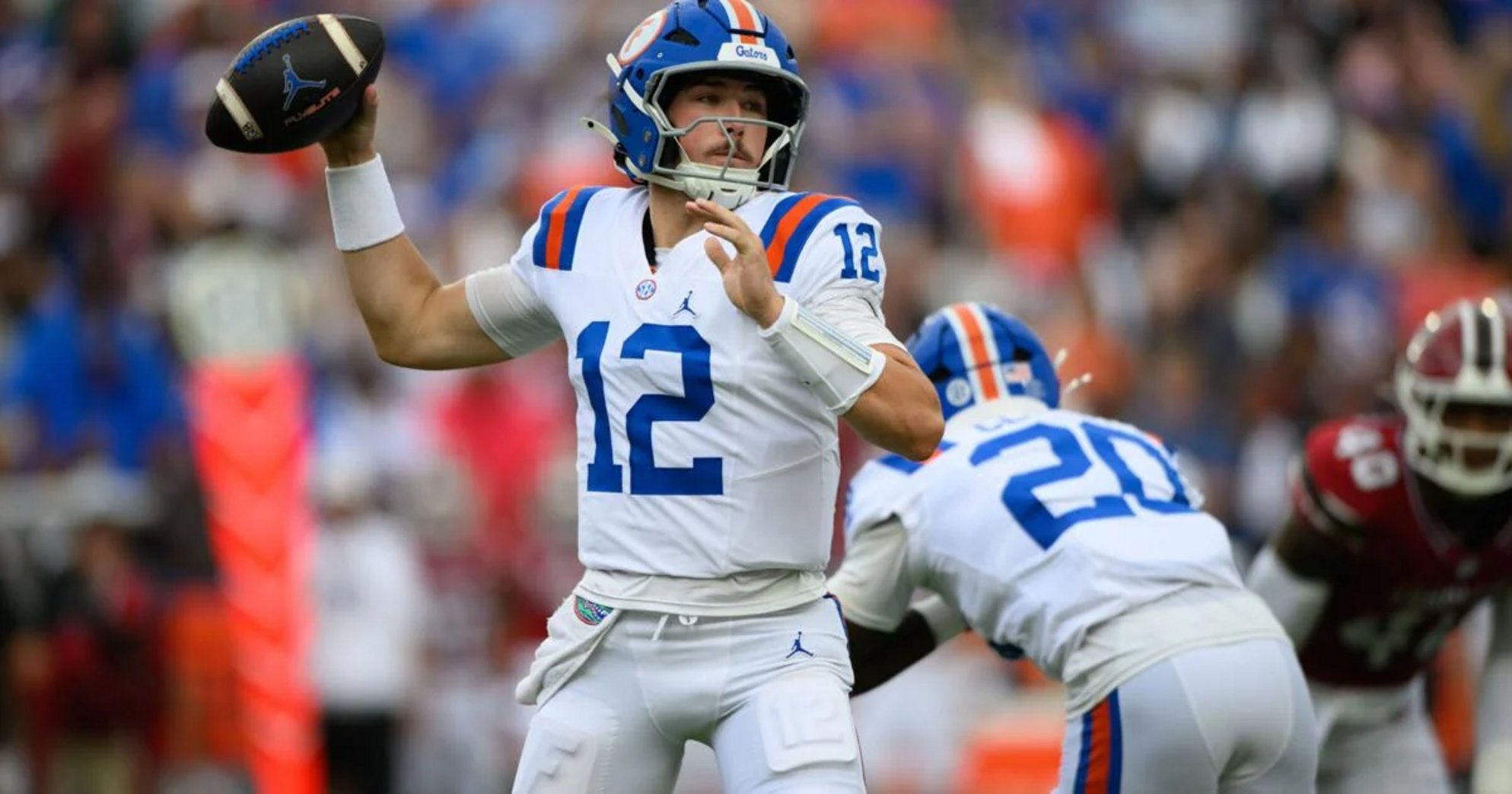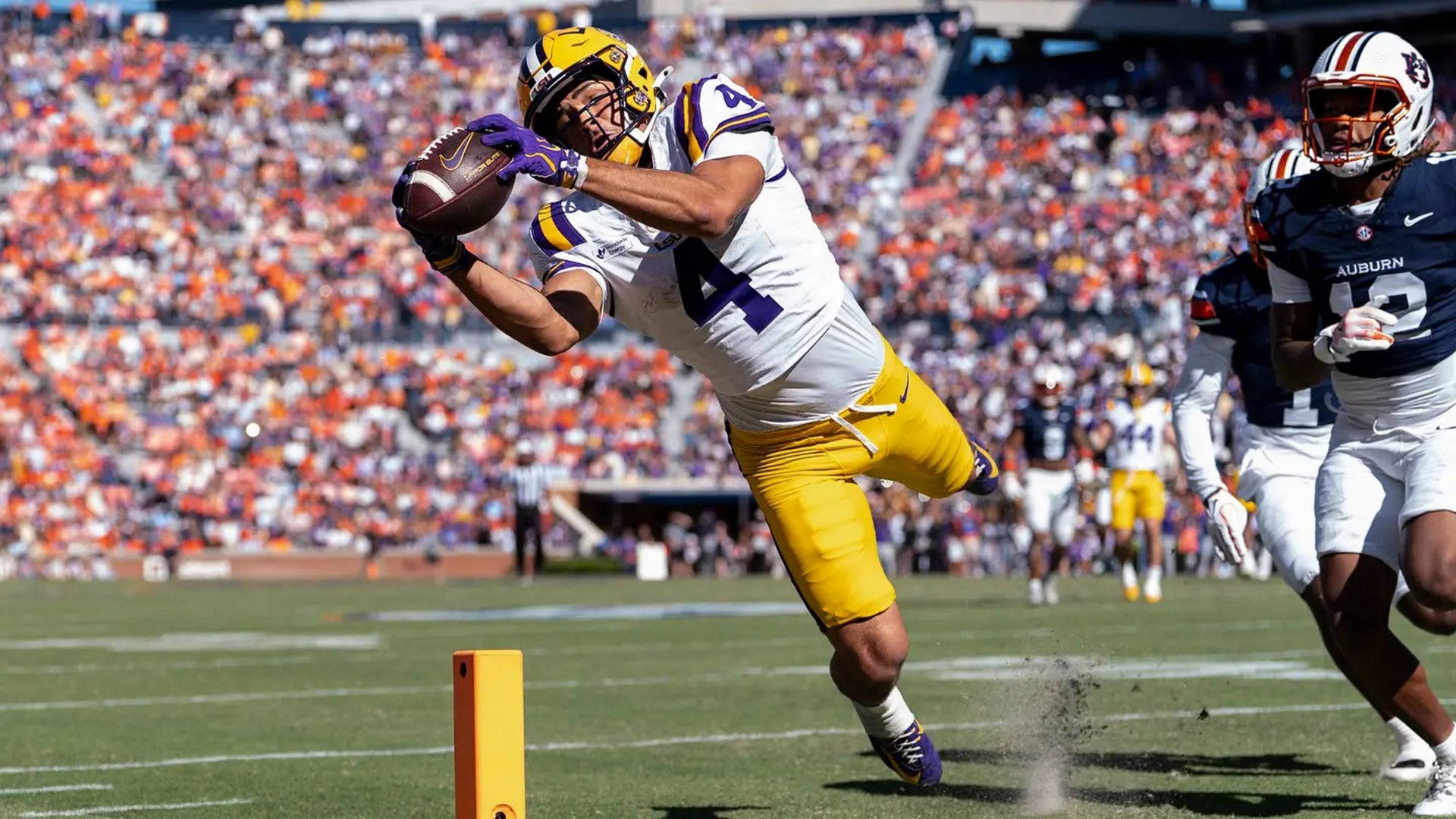

The Georgia Bulldogs vs Western Kentucky matchup projects as another short night for the Dawgs, with Georgia listed as over a 40-point favorite and Western Kentucky coming off a lopsided loss to Nevada. The contrast in recent results and depth of Georgia’s roster mean the game could quickly become a workmanlike opportunity to expand the rotation.
Georgia opened the season by beating Tennessee State 63-3, pulled starting quarterback Gunner Stockton out of the contest with a large chunk of the second quarter remaining, and featured 15 different pass catchers and 11 different ballcarriers. Sports Illustrated noted those rotation patterns and highlighted several role players who figure to see more snaps if the game follows the same script.
Key Takeaways
- Nate Frazier opened the season with a 48-yard touchdown and a 14-yard touchdown on his first two carries.
- Lawson Luckie, Chauncey Bowens and Khamari Brooks are three role players who could see increased opportunities in a blowout.
- The Dawgs used a broad rotation in the opener, with 15 receivers and 11 ballcarriers logging touches, which points to meaningful snaps for backups and freshmen.
- Georgia’s likely early lead should preserve primary starters and create in-game evaluation minutes for depth players.
Why Lawson Luckie, Chauncey Bowens and Khamari Brooks matter vs Western Kentucky
Lawson Luckie enters the week as the veteran presence among the tight ends and one of only two returning targets who previously caught a touchdown pass from Stockton. He started the opener but was not targeted and was rotated out early while other tight ends found the end zone.
That usage signals Luckie remains on the staff’s radar as a situational and veteran option who could reclaim targets once the offense turns to short-yardage and red-zone packages against a mismatched opponent. With the game likely to open up, Luckie is a candidate to see more two-tight sets and goal-line snaps.
Chauncey Bowens remains established as the second running back on the depth chart and tied with Bo Walker for the most running back touches against Tennessee State at five apiece. Bowens also caught a swing pass from Stockton in the opener, showing the staff’s willingness to mix him into the passing game.
Given Nate Frazier’s explosive two-touchdown start, Georgia will manage his carries in a one-sided game, which naturally creates opportunities for Bowens to pick up work in the middle quarters. Short drives, preservation of the lead and scripted opportunities for backups all point to more chances for Bowens to produce.
True freshman outside linebacker Khamari Brooks saw the field on the first defensive drive and was used frequently in third-down packages alongside other young defenders. Freshman PJ Dean logged 1.5 sacks in the opener, and Brooks appears to be on a similar early-development trajectory on subpackages.
Brooks getting third-down snaps is telling for defensive rotation decisions; if Western Kentucky moves the chains or substitutes personnel, Brooks could see extended reps and an opportunity to record his first collegiate sack in those situations.
Opener usage and role comparison for Georgia Bulldogs vs Western Kentucky
| Player | Opener role | Notable play or usage |
|---|---|---|
| Nate Frazier | Primary running back | Returned first carry for a 48-yard TD and followed with a 14-yard TD on his second carry |
| Lawson Luckie | Starting tight end with veteran status | Started opener but was not targeted and was rotated out early |
| Chauncey Bowens | Second running back on the depth chart | Tied for most RB touches in opener with five and was targeted on a swing pass |
| Khamari Brooks | True freshman outside linebacker in subpackages | Inserted on first defensive drive and used frequently on third-down groupings |
| PJ Dean | Freshman rotational edge defender | Recorded 1.5 sacks in the opener and graded as a high-impact sub |
How a lopsided game affects Georgia’s SEC and CFP readiness
A quick win against a non-competitive opponent serves both practical and evaluative functions inside the SEC schedule: it preserves starters while providing a controlled environment to assess depth on live snaps. The coaching staff can test rotation strategies and situational personnel without risking conference standing or the broad arc of the season.
From a roster-construction view, expanded in-game reps for backups and freshmen create clearer pecking orders for meaningful SEC games ahead. Visible production from role players in early blowouts also helps on the recruiting trail by showing prospective recruits how the program develops and deploys depth players.
Managing workload for primary contributors while accelerating the development curve for young players contributes to College Football Playoff readiness by keeping key starters healthy and exposing reserve pieces to game-speed reps. That balance is critical when the regular season shifts into league play and shows how early non-conference games can serve a dual competitive and developmental purpose.
For readers seeking the original reporting that informed this preview, see the linked article above for the full breakdown.