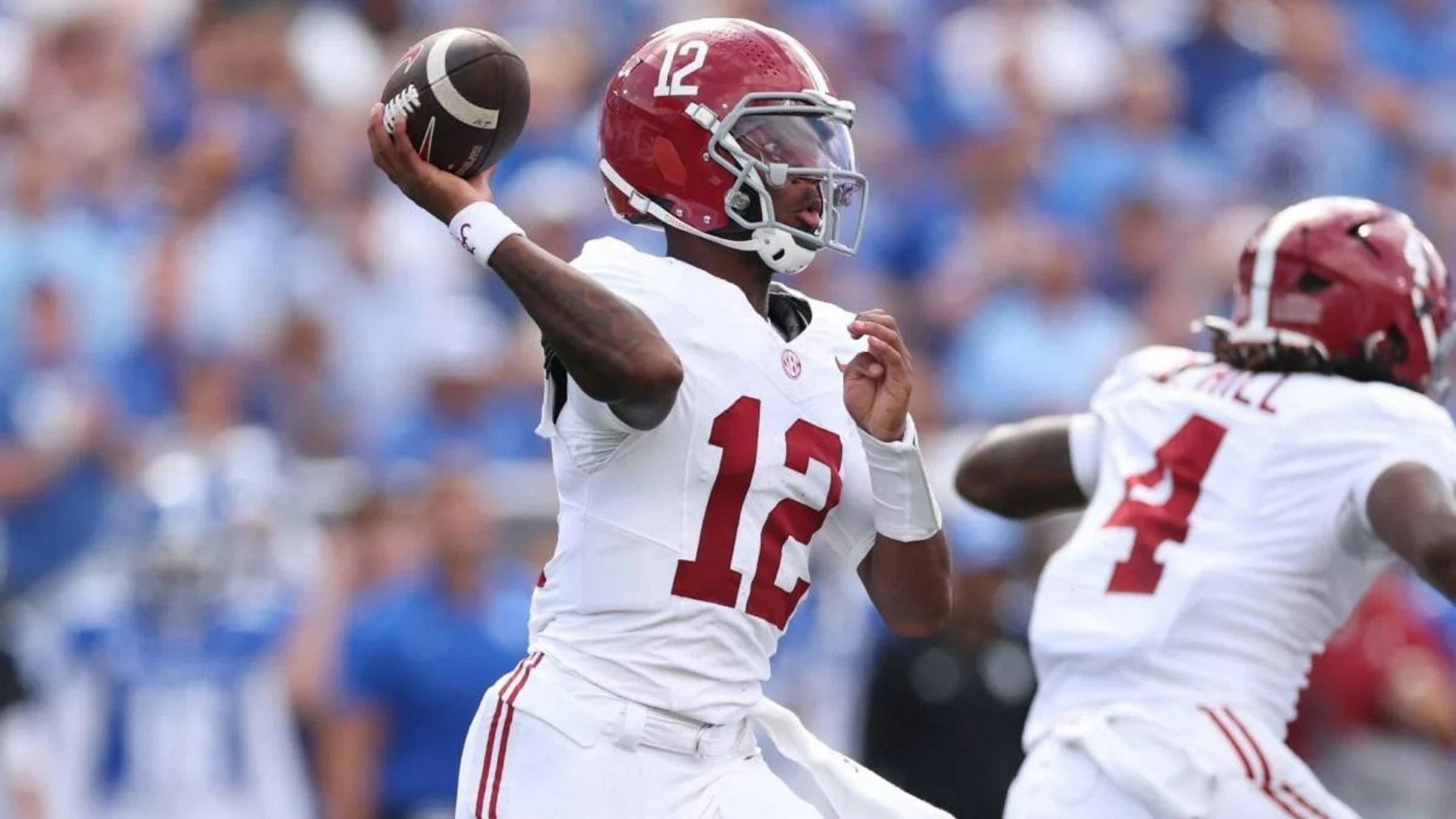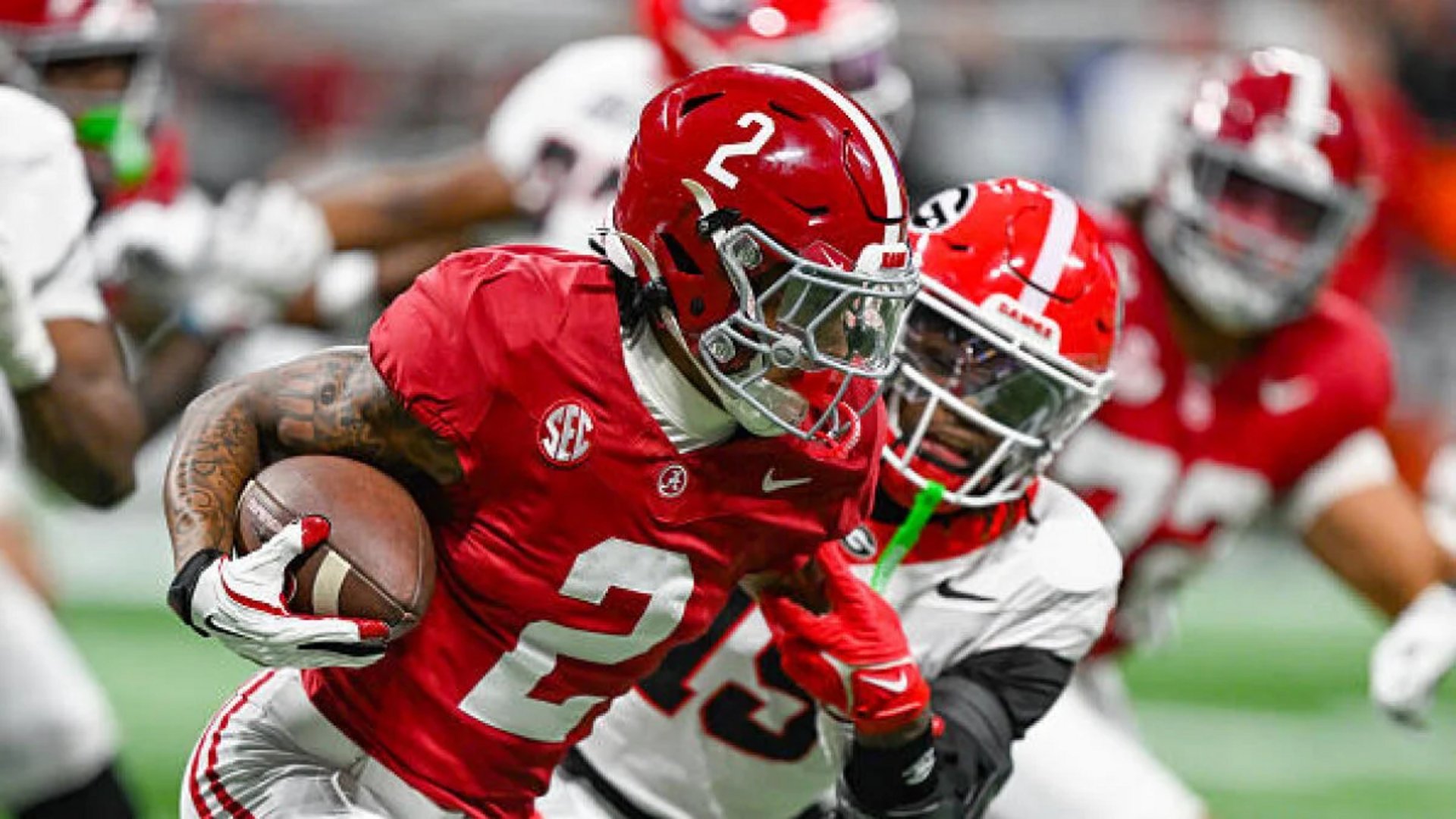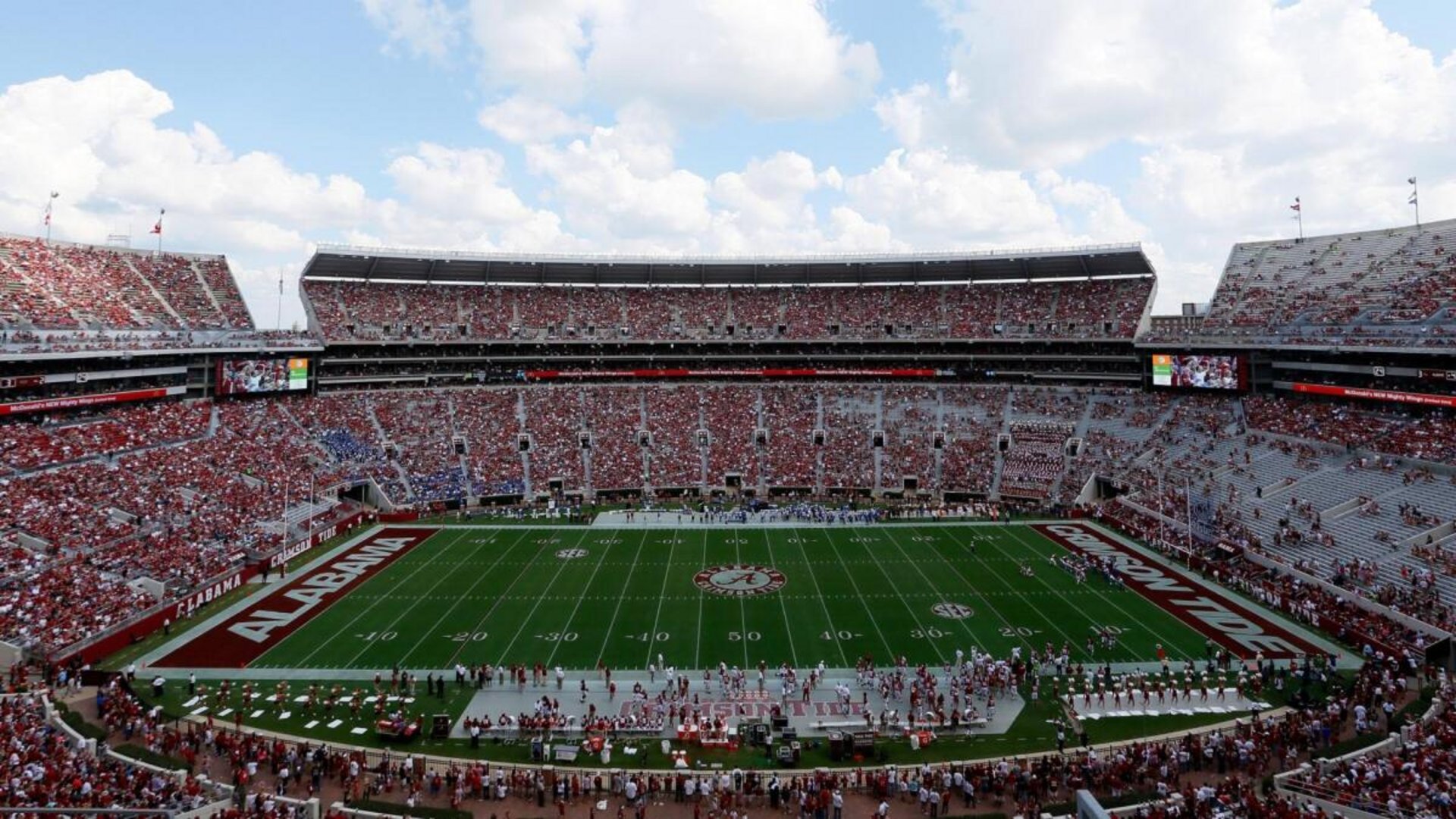
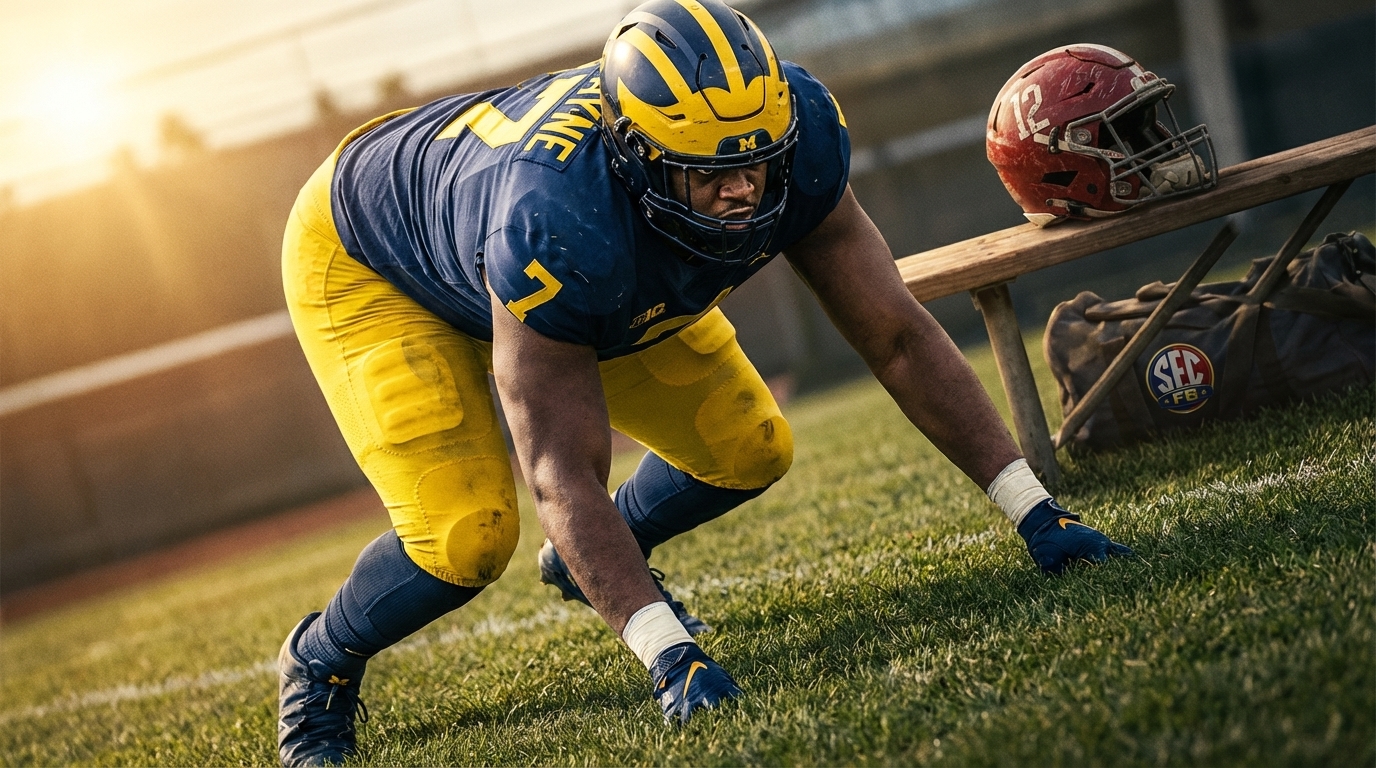
The intensity at Michigan football program hit Damon Payne like a second awakening, combining blue-collar grind with precise coaching, nonstop situational reps and a finish-first mentality that reshaped the former Alabama defensive lineman’s habits when he transferred to Ann Arbor for his final season; coaches leaned on high-tempo technique sessions, repeated Mack drills at six, detailed film study, exacting conditioning sets and schematic emphasis that married Big Ten physicality to precise line play, so much so that Payne said it echoed Alabama’s standards yet carved its own identity through relentless finishing and daily urgency.
He played 31 games for the Alabama Crimson Tide before joining the Michigan Wolverines for the 2025 season. However, Payne noted that Michigan’s offseason program raised the bar in ways he had not expected and rewarded urgency. As a result, he embraced tougher conditioning, more situational reps and a finish-first philosophy that elevated his final collegiate year.
Damon Payne’s Experience Transitioning from Alabama to Michigan
Damon Payne arrived in Ann Arbor after a productive run at Alabama. His transfer for the 2025 season reflected a desire for new challenges and growth. As a result, Michigan’s program tested his habits and refined his technique.
Key career stats
- Played 31 games for the Alabama Crimson Tide.
- Appeared in all 13 games for the Michigan Wolverines in 2025.
- Finished his collegiate career with 46 total tackles.
- Recorded four tackles for loss and 0.5 sacks.
- Added one pass deflection and two fumble recoveries.
Inside the intensity at Michigan football program
Michigan’s daily routine emphasized finishing plays and situational reps. Payne said, “It’s a different level of intensity.” He added, “Coming from where I came from, Alabama, it was kind of like, yeah.” However, he noted Michigan’s philosophy wrapped plays up from the start. Coaches ran Mack drills at six, and players embraced the extra work.
Payne compared both programs with respect. He praised Alabama’s standards, and yet he admired Michigan’s unique urgency. Because of that, he leaned into tougher conditioning and more film study. Therefore, his final season reflected improved technique and sharper in-game awareness.
In short, Payne’s transition blended familiarity with new standards. He left Alabama’s legacy behind, yet he carried lessons forward. As a result, Michigan helped him finish his college career stronger and smarter.
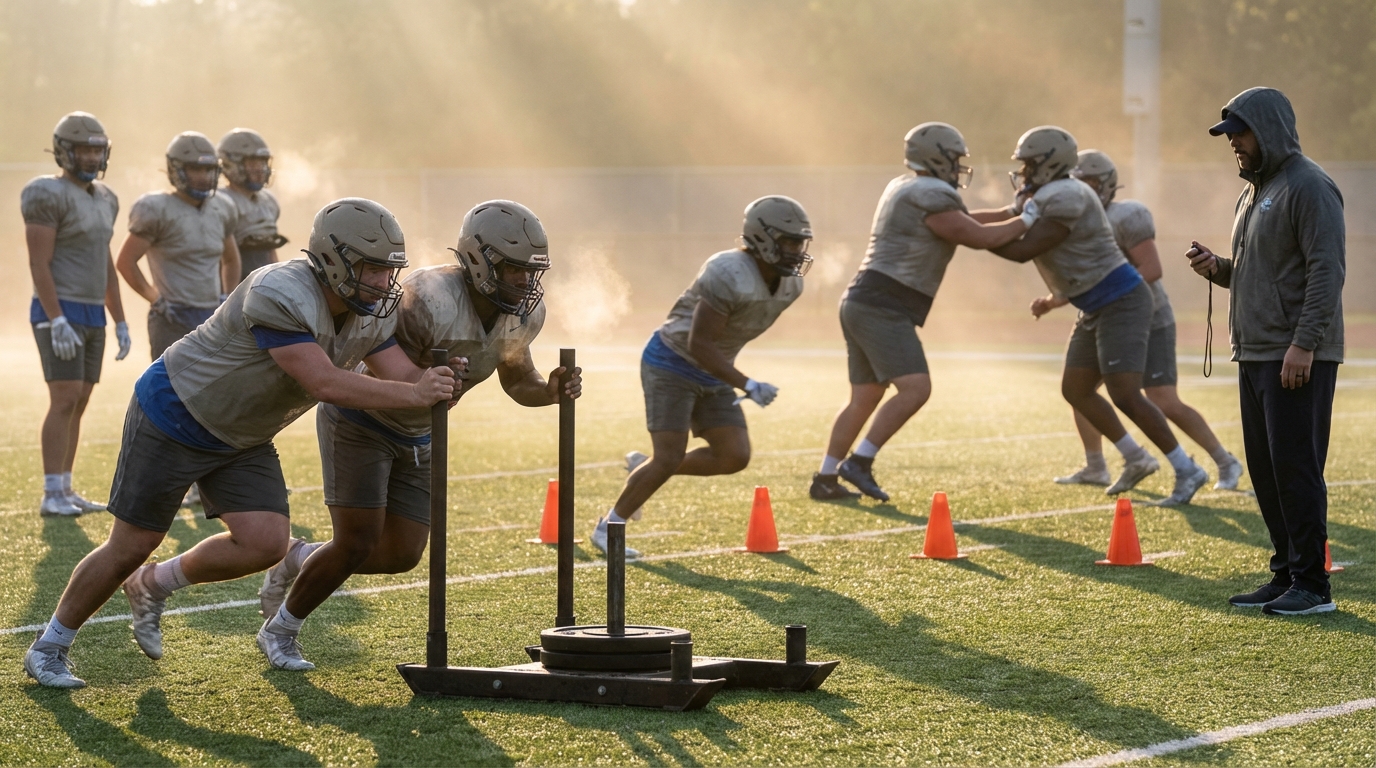
Comparing Coaching Philosophies: Michigan vs Alabama
Both programs demand excellence, yet they reach that goal differently. Alabama focuses on technical perfection and repetition. Michigan layers physicality on top of precise technique to finish plays. As a result, players face unique daily expectations.
Inside the intensity at Michigan football program and what sets it apart
- Practice structure: Michigan emphasizes situational, finish-first reps. Alabama stresses flawless fundamentals and timing.
- Conditioning: Michigan pushes high-tempo conditioning to simulate late-game fatigue. Alabama balances power conditioning with technical maintenance.
- Drill emphasis: Michigan runs “Mack drills at six,” Payne said, to build relentless finishing. Meanwhile, Alabama repeats technique drills until they become automatic.
- Coaching voices: Kyle Whittingham and his staff add Big Ten physicality and toughness to daily sessions. Kalen DeBoer brings a detail-focused offensive approach that demands precise counterplay from defenders.
- Film and accountability: Both teams study film extensively. However, Michigan pairs film with immediate corrective reps during practice.
Payne summed up the difference plainly. “It’s a different level of intensity,” he said. “It was still intense last year, but these guys have a different philosophy.” Because he experienced both systems, he respects each program. He noted that Michigan’s urgency pushed him to sharpen his finish and conditioning.
In short, Alabama teaches near-perfect execution. Michigan then adds relentless finishing and situational toughness. Therefore, the two philosophies complement each other, and each produces elite players.
Damon Payne Stat Comparison: Alabama vs Michigan (2025)
The table below compares Payne’s key numbers at Alabama with his 2025 season at Michigan.
| Stat | Alabama Crimson Tide (Through tenure) | Michigan Wolverines (2025 season) | Notes |
|---|---|---|---|
| Games played | 31 | 13 | — |
| Total tackles | Data not separated by team | Part of career total of 46 | Career total 46 combined Alabama and Michigan |
| Tackles for loss | Data not separated by team | Part of career total of 4 | 4 tackles for loss combined |
| Sacks | Data not separated by team | Part of career total of 0.5 | 0.5 sack combined |
| Pass deflections | Data not separated by team | Part of career total of 1 | 1 pass deflection combined |
| Fumble recoveries | Data not separated by team | Part of career total of 2 | 2 fumble recoveries combined |
The intensity at Michigan football program, as Damon Payne described it, fused finish-first drilling with rigorous conditioning. Because of that, Payne said it felt like a second awakening to how practice should push players. He admired Alabama’s technical standards, yet he praised Michigan’s daily urgency and relentless finishing.
Payne highlighted clear philosophical differences between programs. He referenced “Mack drills at six” and called it a “different philosophy” that emphasizes situational reps. Therefore, Michigan’s approach forced him to sharpen late-game effort and conditioning in ways Alabama had not emphasized as heavily.
Key takeaways
- Michigan combines physical Big Ten toughness with precise, finish-focused coaching.
- Alabama teaches near-perfect technique and repetition, which remains invaluable.
- Transfers like Payne show how different philosophies can complement a player’s growth.
For reliable college football analysis, see SECFB LLC and follow @ZachGatsby on Twitter. SECFB provides timely context on transfers, coaching philosophies, and player development.
Frequently Asked Questions (FAQs)
What prompted Damon Payne to transfer to Michigan for his final season?
Payne sought fresh challenges and more situational reps. He transferred in 2025 to sharpen his finish. Because of Michigan’s practice style, he expected tougher conditioning and more live drills. As a result, he could test new techniques under Big Ten pressure.
What does the phrase intensity at Michigan football program mean in practice?
It means finish-first drills, high-tempo conditioning, and repeatable situational reps. Payne described frequent “Mack drills at six” and early morning sessions. Therefore, players train to close plays and sustain effort late in games.
How does Michigan’s coaching philosophy differ from Alabama’s?
Michigan pairs physical Big Ten play with finish-focused coaching under Kyle Whittingham and staff. Meanwhile, Alabama prioritizes technical perfection and repetition. However, both use film study and accountability. Kalen DeBoer’s offensive detail forces defenders into precise reactions, so Michigan stresses corrective reps right after film.
Did Payne’s on-field numbers reflect the transition?
His career totals include 46 tackles, four tackles for loss, 0.5 sacks, one pass deflection, and two fumble recoveries. He played 31 games at Alabama and appeared in all 13 games at Michigan in 2025. While totals combine both stops, his 2025 season showed sharper finishing and conditioned play because of Michigan’s drills.
What is the long-term impact of that intensity on a player’s career?
Transfers often gain new habits and resilience. Because Payne learned both systems, he expanded his toolkit for pro evaluations. Moreover, exposure to different philosophies can boost technique, stamina, and situational awareness. In short, the experience can improve a player’s draft profile and readiness for pro competition.