John Mateer turnovers became a defining concern in Oklahoma’s loss to Georgia, and the timing leaves little room for the Sooners to ignore the problem. After an open week, Oklahoma is scheduled to face Texas in the Red River Rivalry.
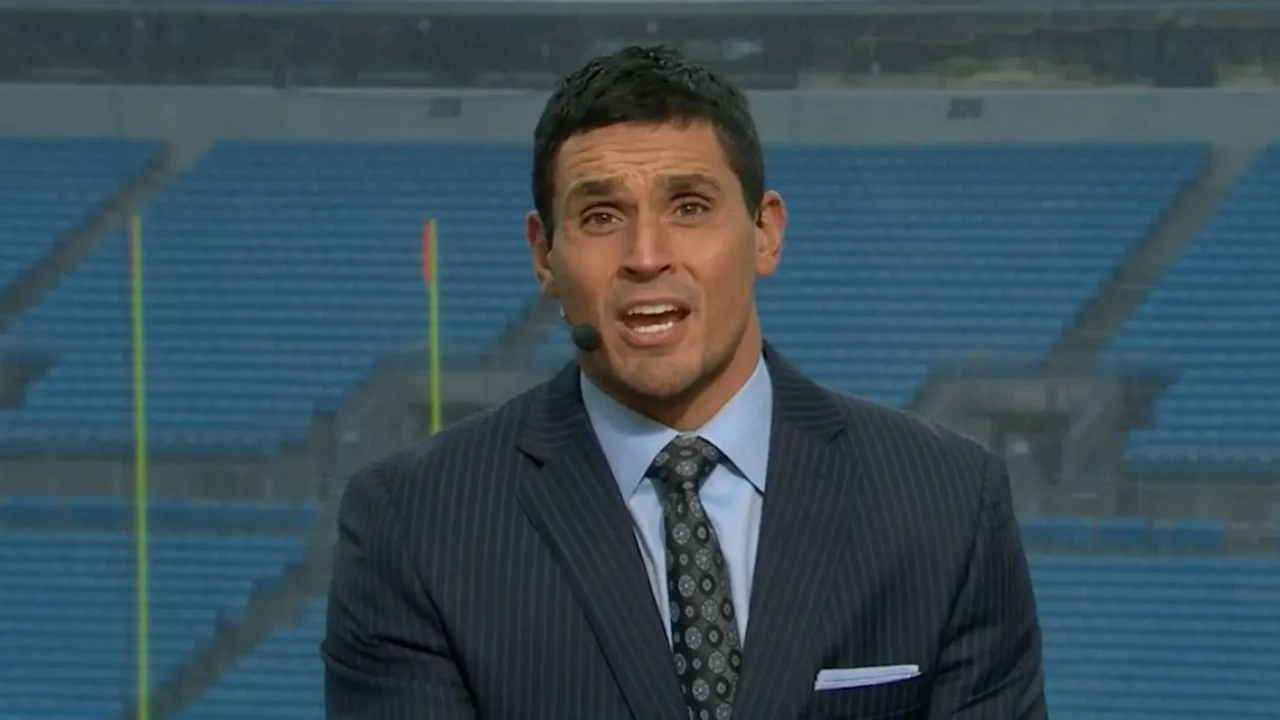
David Pollack’s assessment was sharp, but his comments also recognized Mateer’s competitiveness and heart. Saturday Down South details his concerns after the Georgia loss. The challenge now is turning that criticism into better decisions and a steadier offensive performance against a major rival.
Key Takeaways
- Mateer had three turnovers against Georgia: one interception and two lost fumbles.
- He had 10 turnovers for the season at the time Pollack made his comments.
- Oklahoma’s rushing offense was reported as the 10th-worst nationally at that time.
- The Sooners were scheduled to meet Texas in the Red River Rivalry after an open week.
Why David Pollack Criticized John Mateer Turnovers
On his See Ball Get Ball podcast, Pollack addressed Mateer’s performance in the loss to Georgia and used the word “broken” to describe what he saw. That was Pollack’s assessment of the quarterback’s play, not an established diagnosis or a statement about Mateer beyond the football field.
The turnover line gives the criticism its immediate context. Mateer threw an interception and lost two fumbles against Georgia, bringing his season total to 10 at the time of Pollack’s remarks.
Pollack’s concern was not limited to the box score. He said that the longer Mateer held the ball, the more often bad outcomes followed, and described the quarterback as appearing sped up and uncertain about where to go with it.
That is a pointed critique of decision-making under pressure. It also makes the distinction between a rough performance and an evaluation of Mateer’s character important: Pollack explicitly said not to doubt the quarterback’s competitiveness or heart, while adding that he needed to be better.
For Oklahoma, the practical question is how the offense can help Mateer avoid being forced into difficult situations. The available reporting identifies turnovers and poor rushing production as concerns, but it does not establish that one alone caused the other or explain the details of the Sooners’ play-calling.
Oklahoma’s Turnovers and Rushing Struggles Put More Pressure on Mateer
At the time of Pollack’s comments, Oklahoma had the 10th-worst rushing offense in the country. That ranking is time-sensitive and should be understood as the report’s snapshot, not a current-season measurement.
A struggling ground game can make an offense harder to balance, while a high turnover total gives opponents additional opportunities. Those are connected concerns for Oklahoma, but the reported figures do not show that the rushing ranking directly produced Mateer’s mistakes.
Pollack framed the quarterback’s workload as part of the problem, arguing that Oklahoma needed Mateer to make better choices with the ball. The Sooners’ challenge is therefore broader than asking the quarterback to eliminate errors: the offense needs to find a more reliable way to move the ball while protecting possession.
The sample against Georgia also demands care in interpretation. Three turnovers in one game are a concrete result, and 10 for the season was the total reported at the time; neither figure by itself settles what Mateer or the offense will do in the next game.
Oklahoma’s Offensive Numbers Put the Texas Test in Context
| Context | Reported detail |
|---|---|
| Georgia game | Mateer had one interception and lost two fumbles. |
| Season at the time of Pollack’s comments | Mateer had 10 turnovers. |
| Rushing offense at the time | Oklahoma was reported as having the 10th-worst rushing offense nationally. |
The figures describe different parts of Oklahoma’s situation: one game’s turnover output, a season total as reported at the time, and a national rushing comparison. They are useful context for Pollack’s criticism, but they are not a forecast of how the Sooners will perform against Texas.
That distinction matters ahead of a rivalry game. Oklahoma must improve its execution, but the reporting does not provide a Texas matchup breakdown or a verified projection for the result.
Oklahoma’s Texas Test Could Shape Its Early SEC Outlook
Oklahoma was scheduled to face Texas after an open week, giving the Sooners a chance to regroup before the Red River Rivalry. Pollack’s remarks put the focus on two areas that could shape that test: Mateer’s ball security and an offense that, at the time, was struggling to run effectively.
The stakes extend beyond one rivalry result because Oklahoma is competing in SEC football, where each conference game can affect its position in the standings. But an early-season snapshot is not a final verdict. The reported turnover total and rushing ranking are concerns to address, not proof of how the Sooners’ SEC campaign will finish.
Pollack also raised the possibility that Oklahoma could miss the College Football Playoff and described the team as done, but those were predictions and opinions made after the Georgia loss, not confirmed outcomes. The Sooners’ play in the games ahead will determine whether that outlook holds.