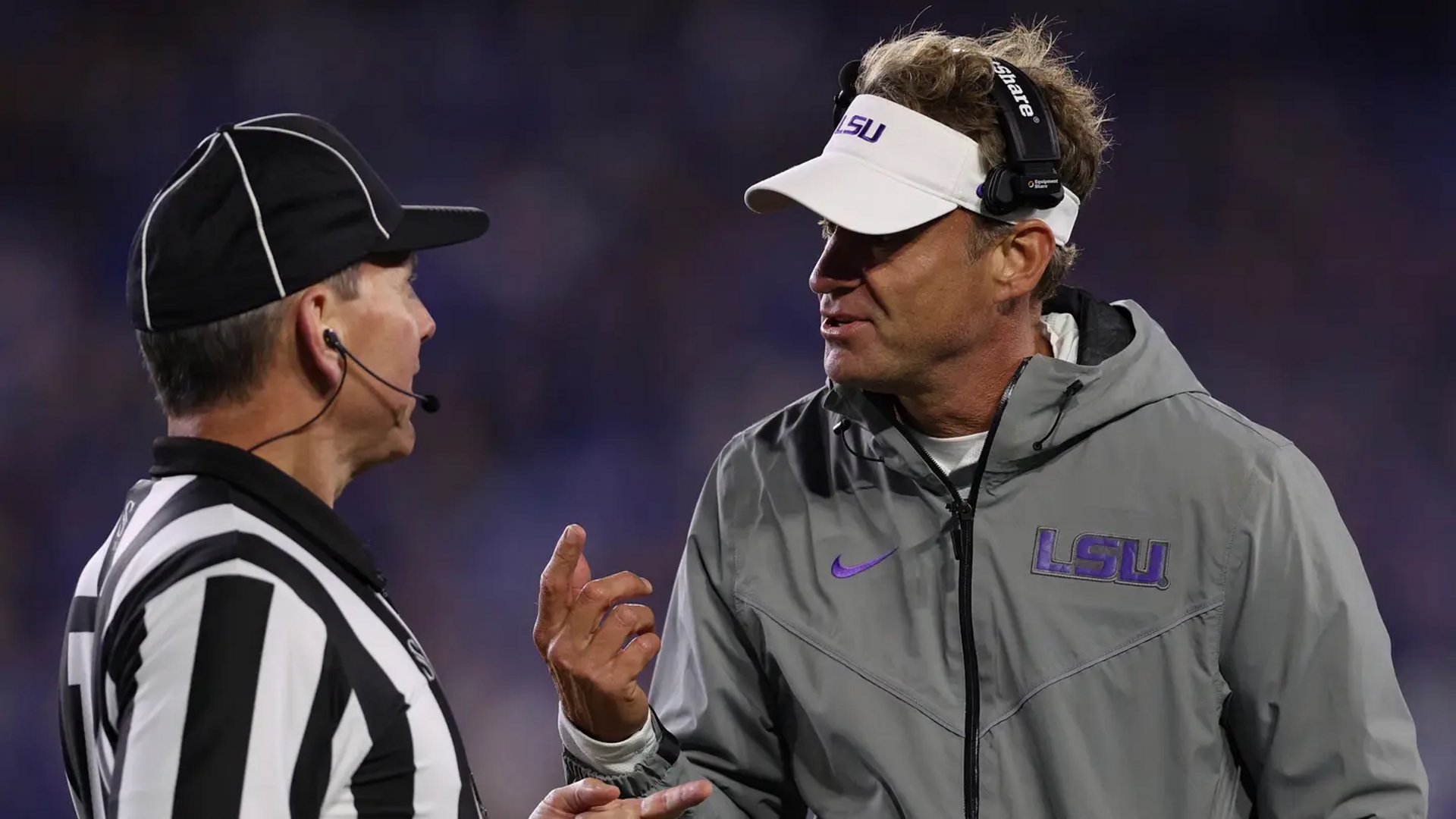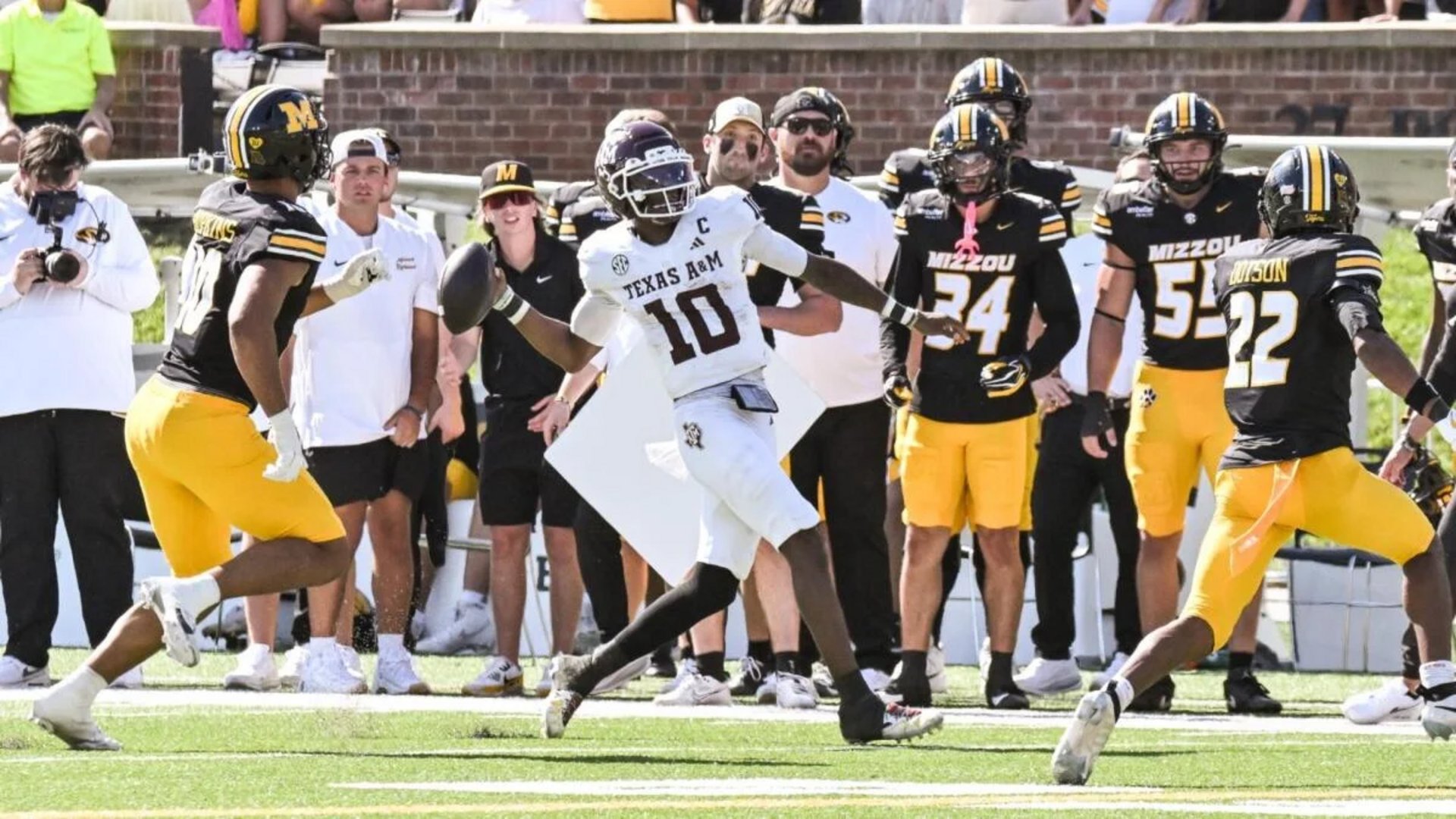
Jon Sumrall made his presence felt in ways that didn’t always show up on a stat sheet but mattered in the week between games. The Gators used a short, pointed reset after a 66-21 win to sharpen focus for the greater test coming against Ole Miss.
That quick-turnaround posture and Sumrall’s sideline timing are drawn from the program’s own reporting, which framed the approach as central to how the week unfolded for Florida in advance of Ole Miss as detailed by Florida Gators
Key Takeaways
- Florida routed Florida Atlantic 66-21, and the team used the result as a springboard into a condensed, focused practice week.
- Jon Sumrall emphasized quick-wit communication and a rapid reset to establish a standard for attention to detail ahead of Ole Miss.
- The sideline demeanor and fast turnaround reshaped practice tempo and reinforced situational emphasis for key position groups.
Jon Sumrall sideline style and team response
Sumrall’s approach on the sideline is direct and immediate, trading long-winded speeches for pointed corrections and quick resets. That style carries through into practice mode; players responded with the kind of urgency coaches look for after a convincing win.
Staff observers saw the same crisp communication that played out during the Florida Atlantic game move into walk-throughs and install periods the following days. Coaches flipped the script from celebration to surgical preparation, and the players matched it by cleaning fundamentals and alignment errors at a faster clip than in a typical week.
Game flow and coaching adjustments vs Florida Atlantic
The 66-21 victory over Florida Atlantic provided a clean canvas for Sumrall to reinforce game-management items without a lengthly teardown. The scoreline allowed the staff to substitute more and install situational reps that doubled as teaching moments for the rotation players likely to see more minutes versus Ole Miss.
Coaching adjustments highlighted during the contest — quick corrective signals at the line of scrimmage and prompt defensive realignments — became practice scripts aimed at sharpening recognition and communication. Those same themes were repeated in situational periods to reduce mental errors in high-leverage sequences.
In-game leadership and on-field cues
On the sideline, Sumrall relied on concise cues and a predictable cadence to get attention without breaking focus. That approach allowed position coaches to amplify messaging and for captains to mirror tempo on the field.
Players reported cleaner execution during red-zone and short-yardage reps after the reset, a pattern consistent with a staff that turned a comfortable win into targeted developmental reps rather than extended celebration.
Historical and head-to-head context
| Context | Notes |
|---|---|
| Most recent game result | Florida defeated Florida Atlantic 66-21, a win the staff used to refocus for the upcoming Ole Miss game. |
| Preparation pattern | The program emphasized a quick turnaround and pointed practice themes, underscoring situational installation over extended rest. |
SEC positioning and Ole Miss matchup implications
The rapid reset and emphasis on situational polish have clear SEC implications: games between conference rivals magnify errors, so reducing mental mistakes and sharpening communication is effectively a standings play. A team that turns a comfortable non-conference win into a focused preparation week increases its odds of showing up cleaner against a polished Ole Miss unit.
Roster construction and play-time distribution during the Florida Atlantic game also served as a live audition for depth pieces that might be leaned on in league play. The staff’s tuning of rotation patterns and situational reps will be visible indicators when Florida walks into an Ole Miss environment that demands discipline and execution.
The program release that framed this week highlighted Sumrall’s quick wit and the staff’s short, surgical reset as central to the preparation approach. Credit for the details and phrasing goes to the program release from the team’s communications staff.