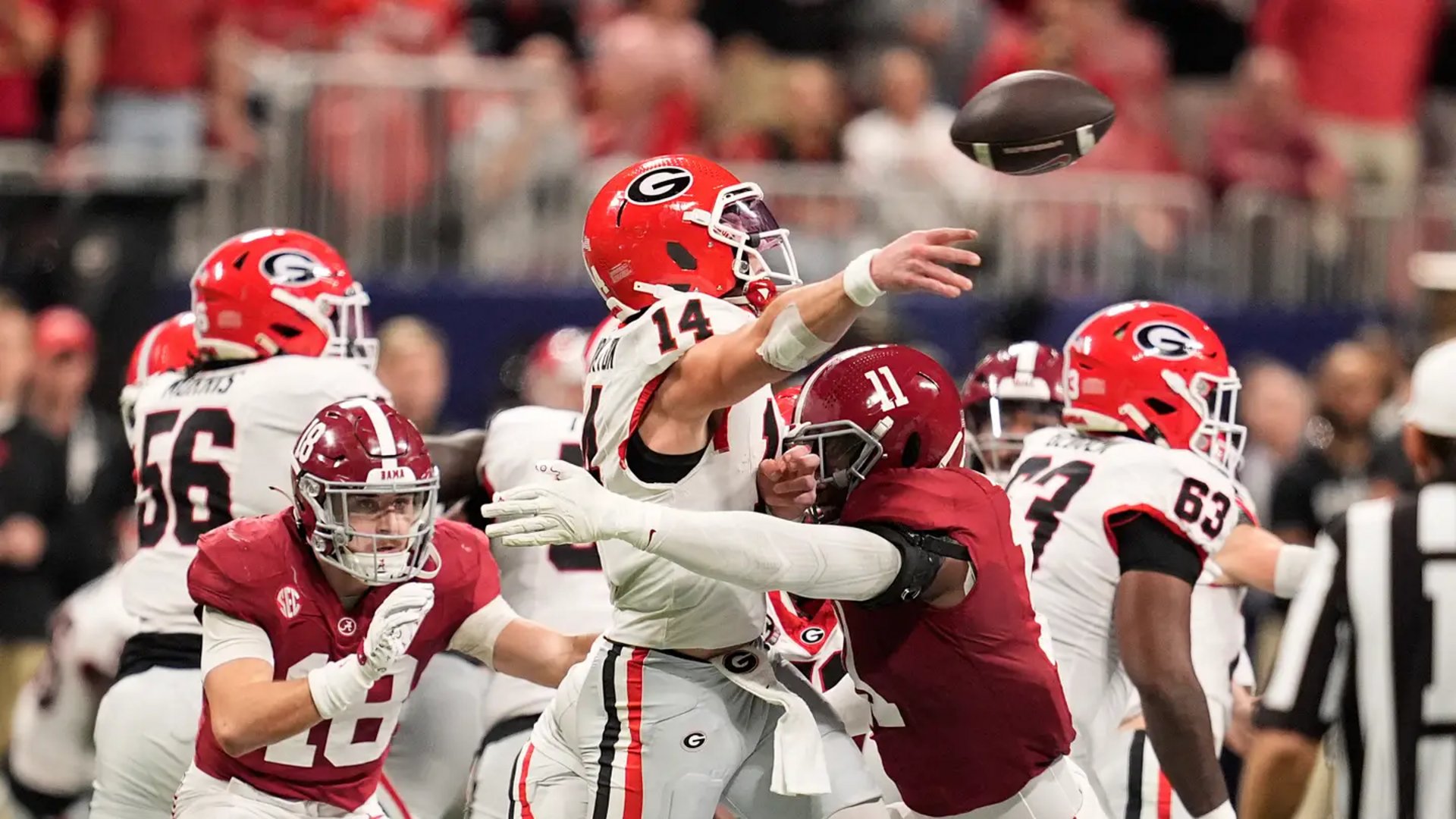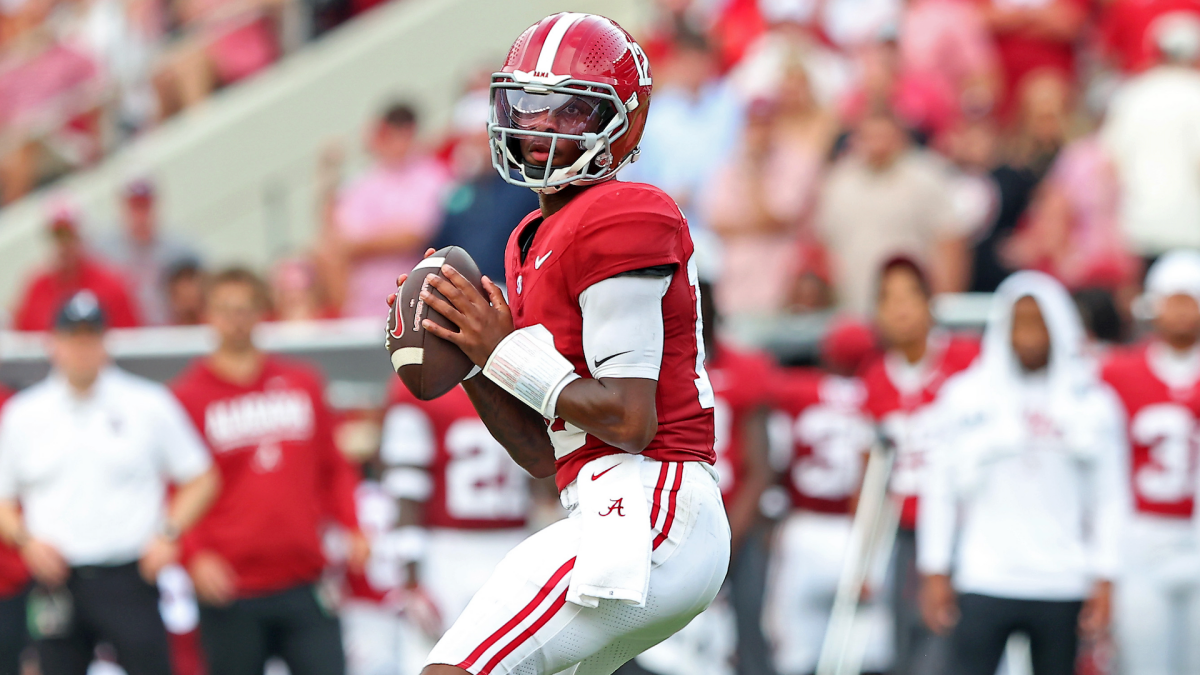

Keelon Russell is the centerpiece of Alabama’s early-season identity and a clear focus for Florida State’s defensive game plan when the teams meet in Tuscaloosa on Saturday, September 19 at 3:30 p.m. ET on ABC.
Alabama’s sophomore starter has shown enough in two starts to force game-planning adjustments, and Florida State’s staff enters the week with specific concerns about his ability to extend plays and hurt them on the edge, as noted by Sports Illustrated
Key Takeaways
- Florida State beat No. 8 Alabama 31-17 in their first matchup, but Alabama rebounded to reach the College Football Playoff.
- Keelon Russell is Alabama’s first-year starter after Ty Simpson departed for the NFL and has made two starts for the Crimson Tide.
- Russell’s early sample shows playmaking with both his arm and legs, while Florida State’s pass defense has had games of clear vulnerability.
- The rematch in Tuscaloosa is a high-visibility test that will influence Alabama’s CFP path and Florida State’s defensive evaluation ahead of the SEC slate.
Why Keelon Russell is a matchup problem for Florida State
Russell’s first two starts are a small sample, but they contain the traits that worry opposing defensive coordinators: the ability to make several different throws and to turn broken plays into positive outcomes.
Over those starts he completed 34 of 53 passes for 444 yards with one touchdown and two interceptions, and he added 21 carries for 77 yards and a rushing score.
Mike Norvell’s view is practical for how Florida State will prepare; he described Russell as a dual-threat who can create when plays break down and must be accounted for on the edge.
How Alabama schemed to get Russell going
Alabama eased Russell into the flow with two wins over East Carolina and Kentucky that emphasized rhythm and situational design.
Play-calling featured short timing throws and looks that allowed the quarterback to use his legs when lanes opened rather than forcing low-probability downfield shots.
The Tide’s staff has also built packages that let Russell thrive in space and on designed runs, and defenses that overcommit to the line of scrimmage have paid for it.
Florida State pass defense trends and vulnerabilities
Florida State’s unit has shown flashes but also clear breakdowns in coverage and pursuit.
The Seminoles surrendered 430 passing yards and three passing touchdowns to SMU, and the Mustangs converted eight of 14 third downs in that game.
That body of work contributed to Florida State winning four of its final 11 games and missing the postseason, and a mobile quarterback like Russell magnifies the coverage mistakes FSU has struggled to clean up in certain outings.
Quarterback sample and defensive lapse context
| Item | Verified detail |
|---|---|
| Keelon Russell two-start sample | 34 completions on 53 attempts, 444 passing yards, 1 TD, 2 INT; 21 rushes for 77 yards and 1 rushing TD |
| Florida State recent pass defense example | Allowed 430 passing yards and 3 passing TDs to SMU; opponent converted 8 of 14 third downs |
| Game notes | Rematch scheduled for Saturday, September 19 with kickoff at 3:30 p.m. ET on ABC |
Placed side by side, the verified quarterback sample and Florida State’s documented defensive lapse frame the problem set for the Seminoles: limit broken plays, win leverage on third down, and avoid giving Russell open lanes to extend.
That tactical checklist is what Norvell referenced when he emphasized pursuit and sticking with talented receivers on the edge.
CFP and recruiting implications for Alabama
A win in Tuscaloosa reinforces Alabama’s national standing and keeps momentum toward another College Football Playoff push, a path the Tide followed after the earlier season loss.
Russell’s performance on this stage carries recruiting optics, with high-visibility games in Tuscaloosa mattering for prospects evaluating quarterback development and roster construction.
For Florida State, a strong defensive showing against a dual-threat starter will help reset evaluations of personnel and scheme ahead of the conference slate.
SECFB Staff