The KJ Gaddis recruitment is an early indicator of how the Sooners are performing inside their home state for 2028 talent. Gaddis, a four-star safety from Choctaw listed among the top 200 nationally, has taken a campus visit to Oklahoma but has yet to place OU among his top five schools.
That development matters because elite in-state prospects are headline-building targets for roster construction and class momentum, and Gaddis has emerged as one of the best defensive backs in Oklahoma’s 2028 cycle as detailed by A to Z Sports
Key Takeaways
- KJ Gaddis is a four-star safety from Choctaw with an 89.71 composite rating and is considered a top-200 national prospect.
- Rivals lists Gaddis as the No. 16 safety nationally and the No. 2 player in Oklahoma while projecting Oklahoma State with a 62.4 percent chance to land him.
- Gaddis has made an unofficial visit to Oklahoma after a visit to Oklahoma State, yet OU does not appear in his Rivals top five.
- Brent Venables improved Oklahoma’s in-state recruiting, but Gaddis’ omission from OU’s top five highlights remaining work for the Sooners in 2028 recruiting.
KJ Gaddis recruitment outlook
KJ Gaddis recruitment conversations center on his playmaking ability and his projected fit in college defenses.
He’s listed at 5’11” and 170 pounds, with evaluators praising his range, speed, and ball skills.
Rivals ranks him as the No. 16 safety in the country and the No. 2 player in Oklahoma, giving him a composite rating that places him inside the top 200 nationally.
Gaddis has expressed clear preferences about relationships and environment; on Oklahoma State he said, “I like the new staff a lot, and they show me a lot of love,” and added that the game-day atmosphere and proximity to home factor heavily into his thinking. He also noted SMU’s work building a relationship with his family as a positive influence on his recruitment.
Why Oklahoma has work to do
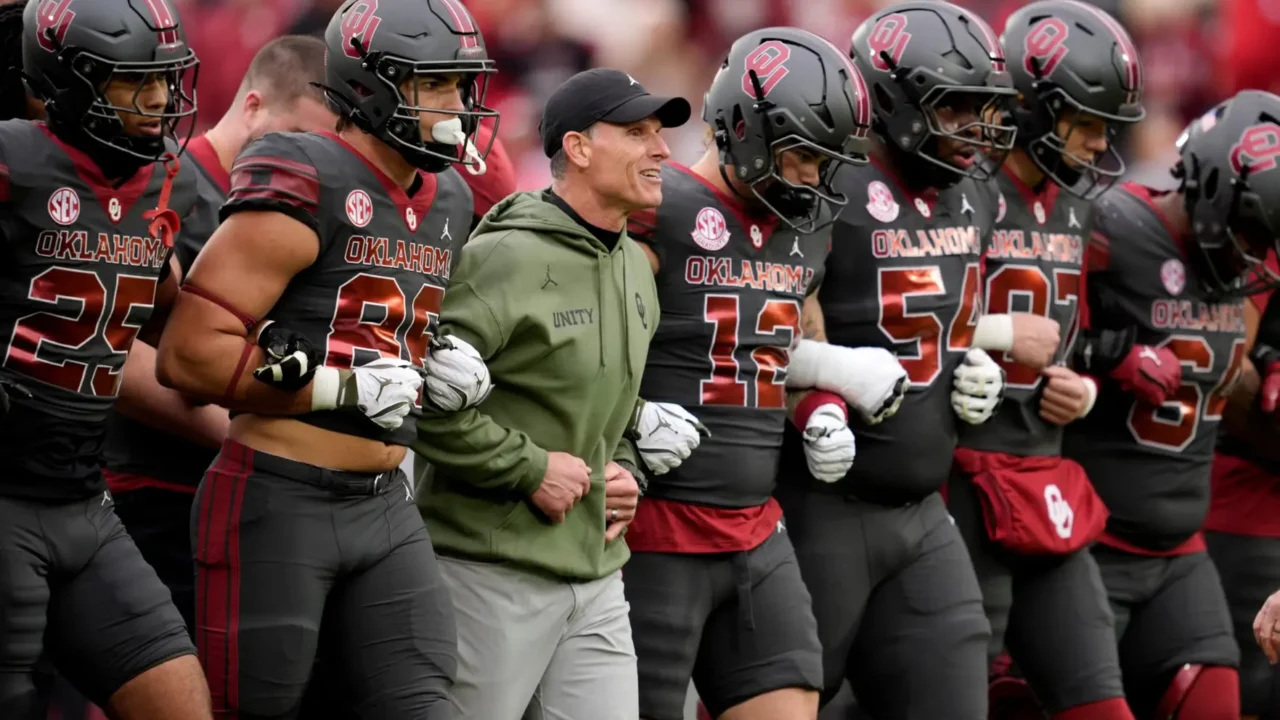
Oklahoma under Brent Venables has shifted the state recruiting trend back toward the Sooners, but Gaddis presents a test of sustained momentum. The 2027 class included four of the top five Oklahoma players committing to OU, signaling progress, yet Gaddis’ public top-five omission stands out.
OU has hosted Gaddis on an unofficial visit, which came after a stop at Oklahoma State, and that sequence suggests the Cowboys and SMU have stronger traction at this stage. The full nature of the Sooners’ internal engagement with Gaddis is not detailed publicly, so the on-field facts are what matter today.
Oklahoma’s 2028 class remains in its early stage; the program currently lists one commit in quarterback Trey Tagliaferri, leaving room for additional relationship-building and evaluation before the February 2028 signing window arrives.
Recruiting context and head-to-head comparison
| Comparison area | Oklahoma State | Oklahoma |
|---|---|---|
| Rivals positioning | Listed No. 1 in Gaddis’ Rivals top five and projected at 62.4% to land him. | Not listed in Rivals’ top five for Gaddis despite an unofficial visit to Norman. |
| Visits and relationship | Gaddis cited strong contact and a pull toward OSU after seeing their staff and campus environment. | Gaddis’ visit to Oklahoma was unofficial and followed his trip to Oklahoma State, but OU has not publicly cracked his favorites list. |
SEC recruiting and roster implications
For programs in the SEC and for OU specifically, a loss or failure to land a local elite like Gaddis would be felt most at the secondary and depth levels. A player with his profile could contribute early and help accelerate the development curve for the defensive back rotation.
Gaddis’ lean toward Oklahoma State and SMU sends a recruiting signal within the region that even programs with recent in-state success must keep building relationships and on-campus experiences. The 2028 cycle remains open through February 2028, meaning there is time for the Sooners to re-engage and alter the recruitment trajectory.
From a roster-construction perspective, failing to secure top in-state defensive backs forces programs to chase similar talent nationally or accelerate redshirt-to-contributor timelines for existing depth players. That puts a premium on continued recruiter presence, camp engagement, and timely evaluations as the junior season and official visit period approach.