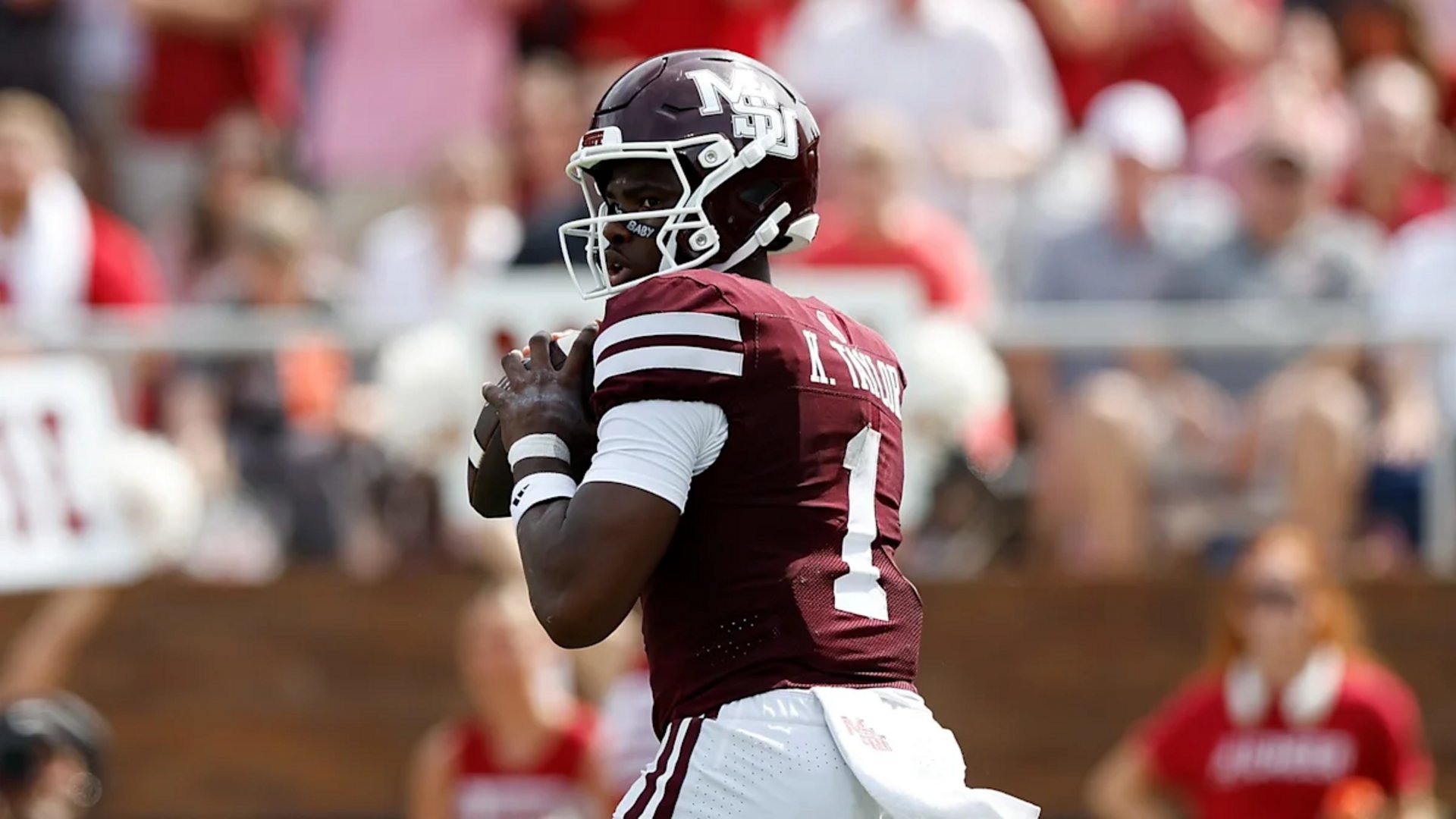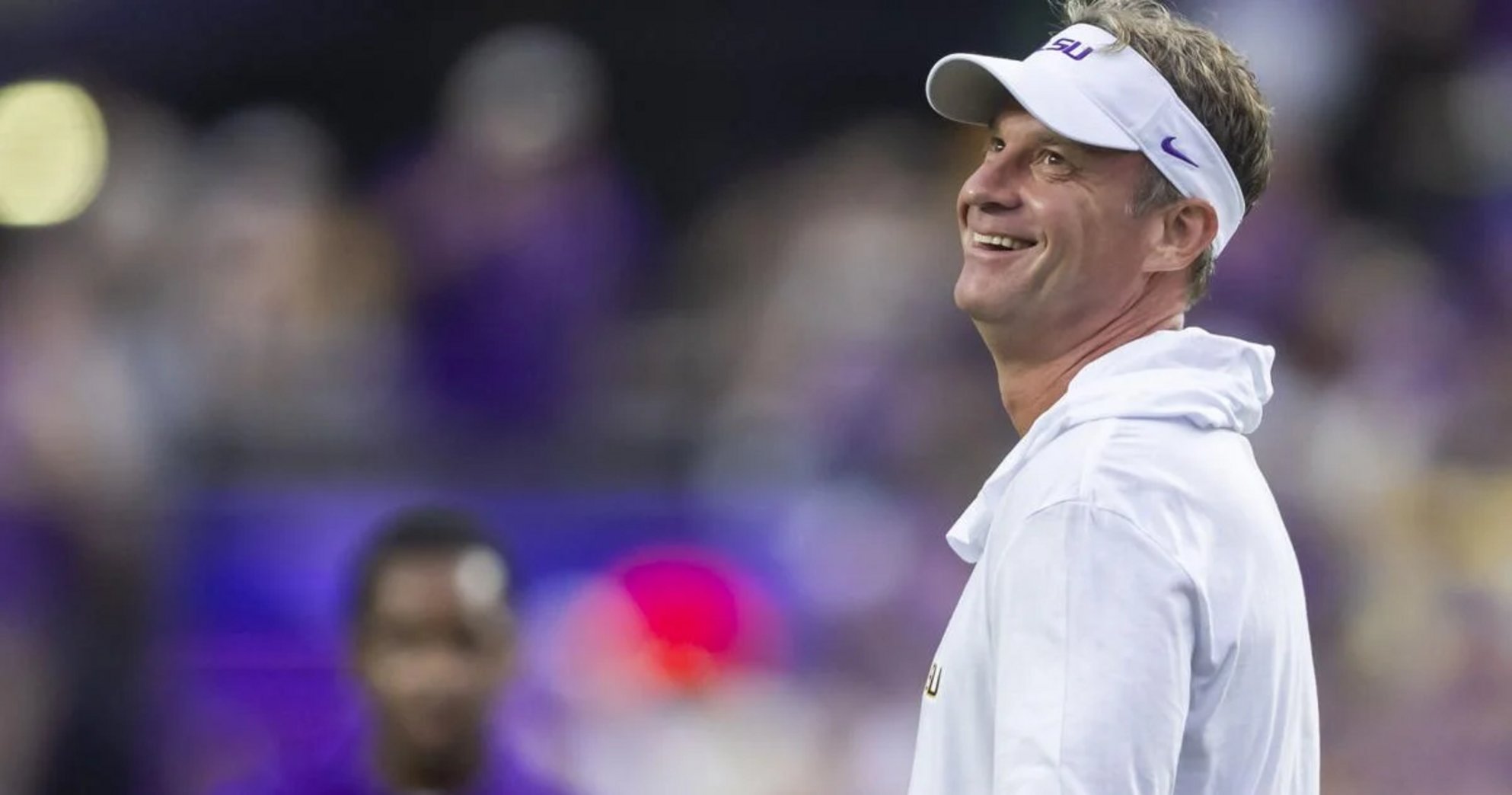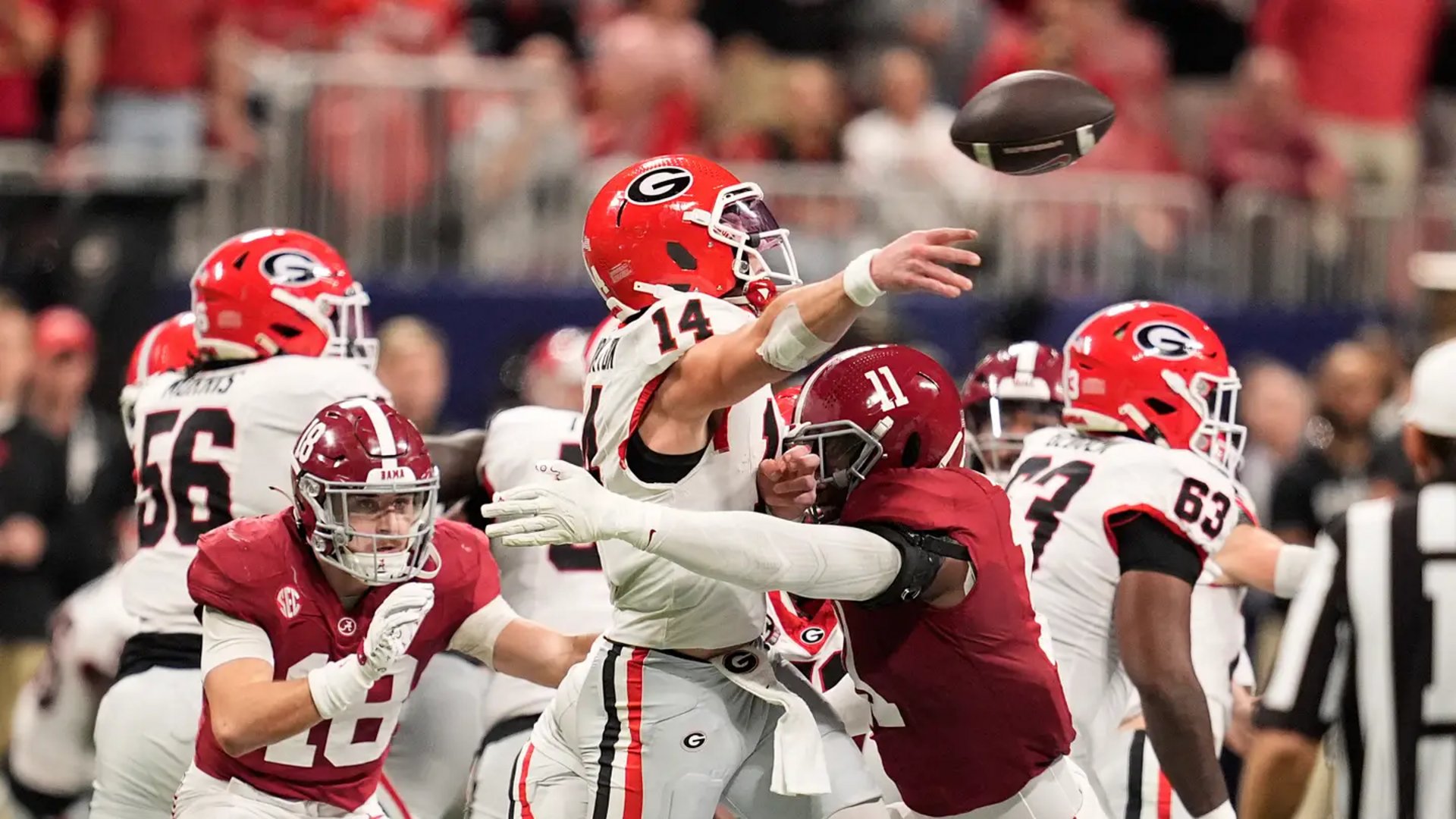
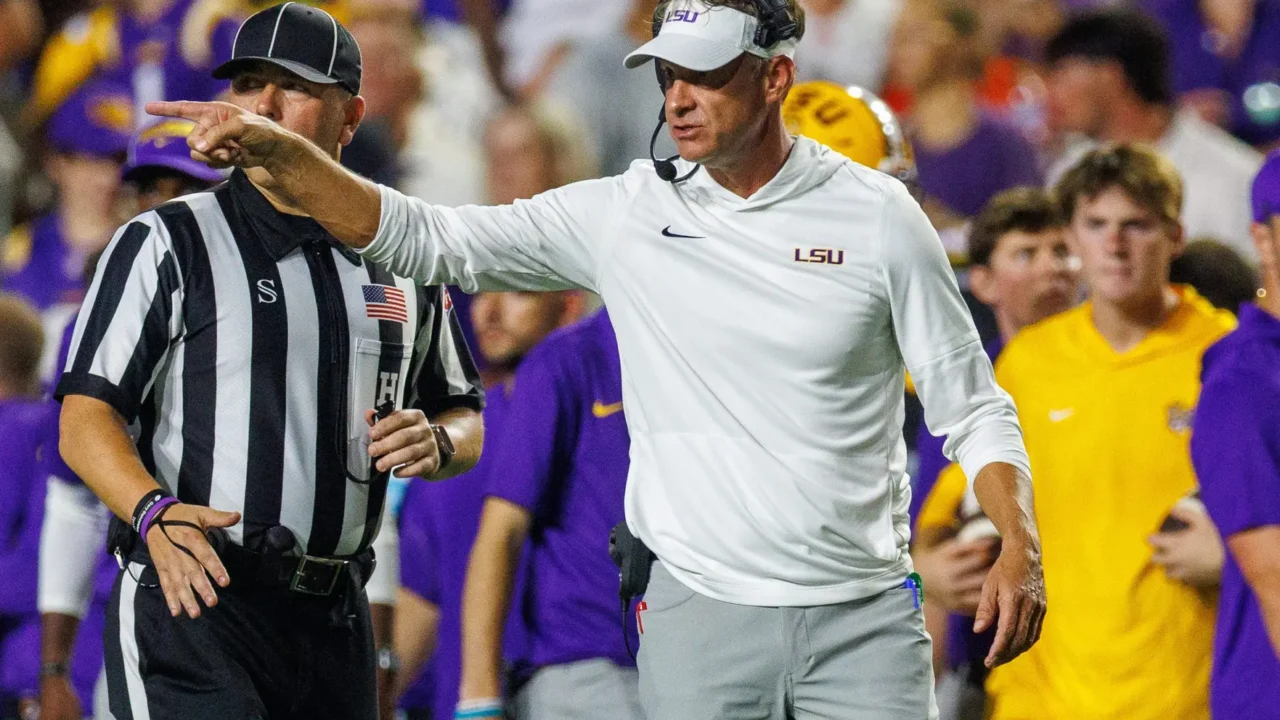
The Lane Kiffin departure from Ole Miss has become the defining subplot of the Rebels’ season, and Aaron Taylor did not hold back when he addressed the timing and conduct on national television. Taylor said Kiffin “cheated” his players and labeled the move selfish during an appearance on CBS Sports Network’s Inside College Football.
The criticism landed louder because Ole Miss reached a Fiesta Bowl semifinal with key contributions from Trinidad Chambliss and Kewan Lacy, and the program promoted defensive coordinator Pete Golding to the top job after Kiffin left. Reporting from Saturday Down South captured Taylor’s most pointed comments and the context around the move.
Key Takeaways
- Lane Kiffin left Ole Miss after six seasons to become LSU’s coach, a move that happened before the College Football Playoff sequence concluded for the Rebels.
- Aaron Taylor sharply criticized the timing and conduct of the departure, saying Kiffin “took advantage of the system” and that “he’s all about himself.”
- Ole Miss elevated Pete Golding to head coach after Kiffin’s exit to preserve continuity and finish the season under a familiar staff structure.
- The Rebels reached the Fiesta Bowl semifinal, with contributions from Trinidad Chambliss and Kewan Lacy, which intensified reactions to how the coaching change unfolded.
Lane Kiffin departure and player fallout
Kiffin’s exit came after six seasons at Ole Miss and before the Rebels’ postseason run concluded, which framed the move as a midstream leadership change rather than a traditional offseason transition. That timing is central to Aaron Taylor’s critique; on Inside College Football he said the timing was “awful” and that Kiffin “cheated those kids.”
Taylor’s comments focused less on whether a coach should take another job and more on the duty to players and staff during a championship push. He argued for institutional fixes, saying Kiffin “took advantage of the system we have,” language that pushes the debate into program policy and expectations for coach departures.
From a locker-room perspective, moving from Kiffin to Pete Golding at a high-stakes moment forced players and coaches to recalibrate when preparation could have been uninterrupted. The promotion of Golding limited external disruption by keeping a familiar voice in place, but it did not erase the emotional and narrative consequences of the departure.
Kiffin return to Vaught-Hemingway shapes the matchup
Kiffin’s first return to Oxford as LSU’s head coach turns a normal interconference visit into a referendum on how his tenure at Ole Miss ended. The presence of him and his staff at Vaught-Hemingway Stadium gives the matchup a personal edge beyond standard rivalry elements.
Fans and former players have made their displeasure clear in public commentary, and Taylor’s remarks capture that sentiment. With Trinidad Chambliss and Kewan Lacy having helped push the Rebels to a Fiesta Bowl semifinal, the optics of Kiffin returning to a program that had recent postseason momentum sharpen the spotlight on his decision to leave.
Departure timing compared to postseason status
| Aspect | What happened | Immediate context for Ole Miss |
|---|---|---|
| Timing | Coach left after six seasons and before the College Football Playoff sequence concluded | Created a midseason leadership shift while the team remained in postseason contention |
| Continuity | Pete Golding was promoted to the top job following the departure | Maintained internal continuity by elevating a defensive leader already trusted by players |
| On-field contributors | Trinidad Chambliss and Kewan Lacy were key contributors to the Fiesta Bowl run | Player performances strengthened the team’s postseason profile and amplified reactions to the coaching change |
Impact on Ole Miss SEC standing and College Football Playoff hopes
The coaching change introduced an immediate storyline that can affect perception in the SEC and among playoff committees, even if game-day performance ultimately decides standings. Maintaining competitiveness on the field under Pete Golding was the most direct path to preserving the Rebels’ status within the conference.
Recruiting and roster construction are practical areas to watch after a high-profile midstream departure because prospects and current players weigh program stability. Promoting from within gave Ole Miss a stabilizing message that the staff prioritized continuity while finishing the season under familiar leadership.
How the program performs in Oxford and through the remainder of the calendar will determine whether the immediate controversy reshapes longer-term SEC positioning and College Football Playoff calculations for Ole Miss and its rivals.