Thunderstorms and lightning in Baton Rouge forced a lengthy pause to the LSU-Clemson opener, pushing the planned 7:30 p.m. ET kickoff well beyond its scheduled start. On-site staff reported a heavy downpour and multiple lightning cells that prevented warmups and triggered NCAA safety protocols.
Local reports, including Saturday Down South, say LSU staff were tracking at least a 90-minute delay as the stadium waited out the worst of the storm. The interruption postpones Lane Kiffin’s LSU debut and short-circuits normal pregame routines for both clubs.
Key Takeaways
- The LSU Clemson weather delay halted warmups and pushed the original 7:30 p.m. ET kickoff back by at least 90 minutes.
- The NCAA’s lightning policy enforces a 30-minute suspension for any detected lightning, with additional strikes resetting that clock.
- Most sportsbooks had LSU priced around a 10.5-point favorite before kickoff, while a Kalshi snapshot showed LSU at roughly 78 percent.
- The delay affects pregame preparations, quarterback availability decisions and live-betting markets for both teams.
How the lightning delay unfolded in Baton Rouge
Crews and staff at Tiger Stadium reported multiple lightning cells moving over the stadium footprint followed by a heavy downpour that soaked the turf and stands. That combination prevented either team from beginning their pregame warmups and forced officials to clear the field and suspend activity.
On-site reporting indicated the delay stretched to at least 90 minutes as event operations waited for lightning activity to subside. With the NCAA rule in play, any additional lightning would restart a 30-minute timer, leaving the restart time uncertain and game operations in a holding pattern.
What the delay means for on-field decisions and preparation
Extended pregame pauses compress the window coaches have to finish game plans and warm players while avoiding injury or fatigue. A late start changes timing for kickers, return teams and any scripted first-quarter series that rely on pregame reps.
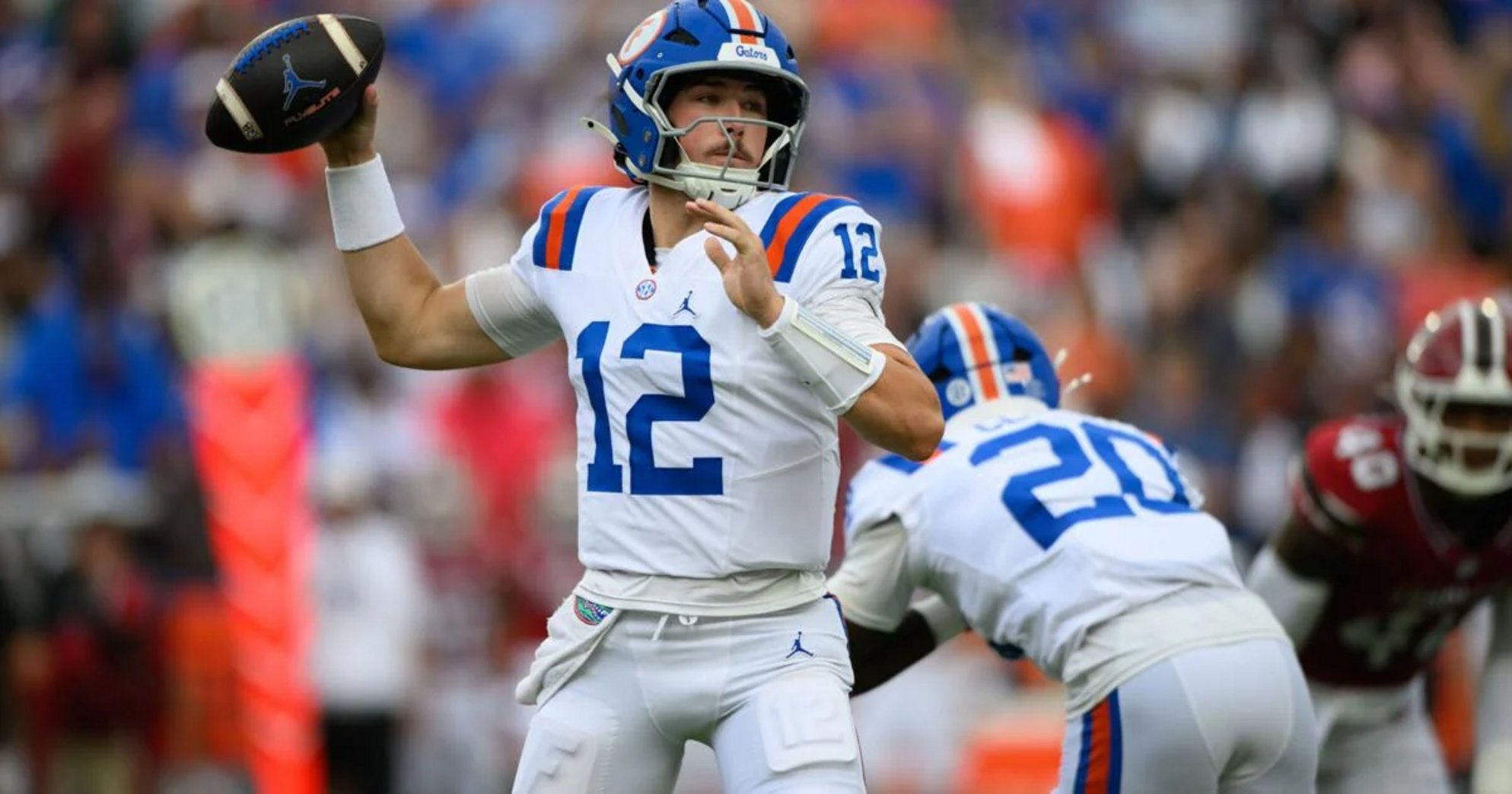
LSU’s quarterback picture entering the season is settled around former Arizona State starter Sam Leavitt as the signal-caller, while Clemson’s plan signaled Christopher Vizzina as the likely option with freshman Tait Reynolds available. The delay doesn’t change the starters named, but it can influence how much live work those quarterbacks receive before the opening snap.
For position coaches and strength staff, extended shelter time requires balancing recovery and readiness; medical and operations teams will be monitoring field conditions and player warmth before resuming any on-field work.
LSU Clemson weather delay timing and market context
| Item | Detail |
|---|---|
| Scheduled kickoff | 7:30 p.m. ET as originally posted |
| NCAA lightning rule | Automatic 30-minute delay for detected lightning; additional strikes reset the clock |
| Sportsbook line | Most books listed LSU at roughly a 10.5-point favorite before the delay |
| Prediction market snapshot | Kalshi snapshot showed LSU near 78 percent and Clemson near 23 percent |
How this delay factors into LSU’s SEC and CFP outlook
The game’s postponement does little to alter LSU’s preseason status as a team expected to contend in the SEC and chase a College Football Playoff berth, but it does introduce short-term variables. A delayed start affects live wagering flows and game-day impressions that can ripple through markets and fan perception.
From a roster and recruiting lens, high-profile season openers serve as touchpoints for evaluators and prospects; a weather-interrupted debut reduces the immediate visual inventory coaches can present on gameday. Coaches must manage impressions while keeping an eye on the larger season goals that center on conference placement and postseason access.
This account is based on local reports linked earlier in the story and on-site staff updates about the weather delay.