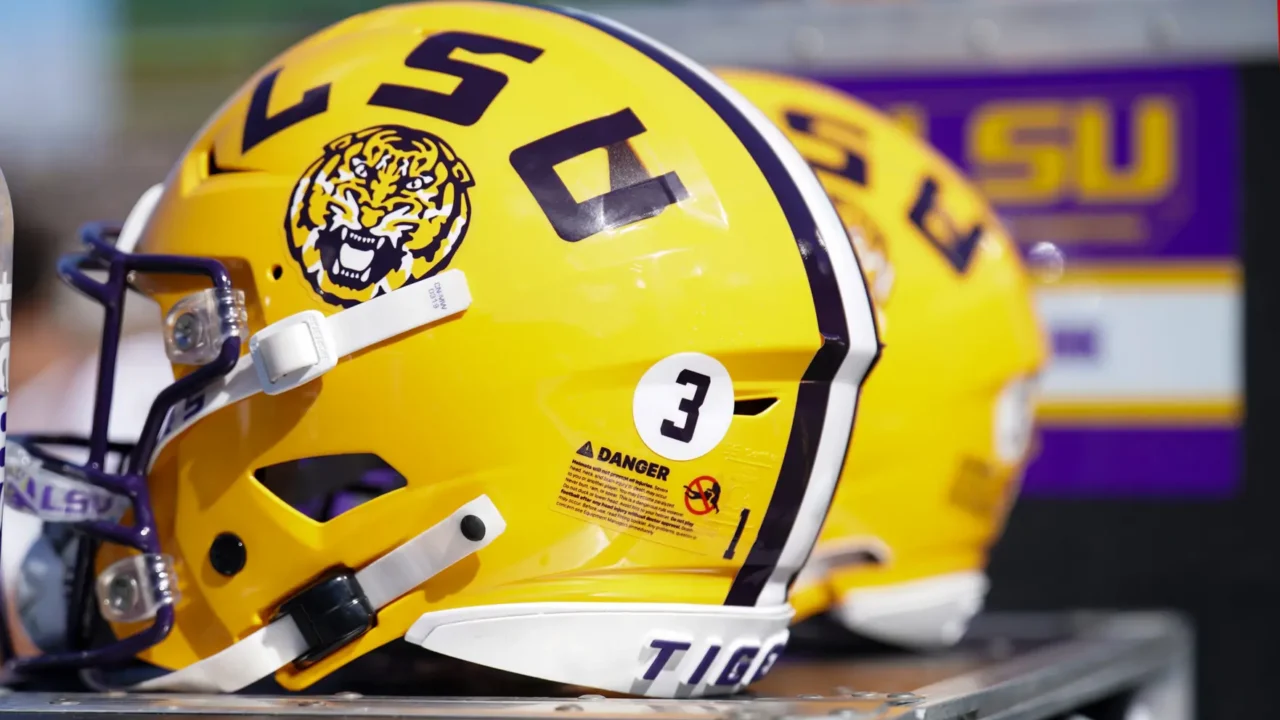
LSU’s move to reach a 105-player roster cap settles weeks of uncertainty for the Tigers and their fan base. The decision directly affects midseason roster flexibility and who can be added for the remainder of the year.
ESPN reporter Pete Thamel first reported LSU added two players to hit the limit, and Saturday Down South summarized the development for local readers. With the roster at capacity, Dae’Quan Wright and Zxavian Harris were not added to LSU’s roster and were absent from the Tigers’ season opener against Clemson.
Key Takeaways
- The LSU roster decision to reach a 105-player cap locks the roster for the rest of the year and prevents further scholarship additions this season.
- ESPN’s Pete Thamel reported LSU added two players to hit the 105-player maximum.
- Dae’Quan Wright and Zxavian Harris had won court relief that allowed them to pursue roster spots but were not named to the roster for the Clemson opener.
LSU roster decision and player eligibility
Hitting the 105-player cap is a firm roster limit for the season; programs that reach it cannot add scholarship players until the next eligible window. That framework means LSU’s choice to add two players and close the roster removes the immediate path for Wright and Harris to be enrolled on the team roster for this season.
The two players in question had secured an injunction that cleared a legal hurdle to joining LSU after leaving their prior program and pursuing NFL opportunities. Even with that court relief, they were not listed on the Tigers’ roster for the opener, and the roster addition cements that status.
What led LSU to add two players and how that affects depth
The additions that pushed LSU to 105 appear grounded in scholarship accounting and long-term roster management rather than a short-term roster reaction. Closing at 105 stabilizes the Tigers’ scholarship balance across the year while limiting midseason disruptions from late arrivals.
For position groups and depth charts, the decision forces coaches to maximize current options and internal rotations rather than integrate external arrivals. Players who might have expected immediate spots now face a different competitive path that relies on internal opportunity and roster churn.
Roster history and legal timeline
| Event | Outcome / Status |
|---|---|
| Wright and Harris signed undrafted NFL contracts after leaving their prior program | They pursued roster spots at LSU while under free-agent contracts |
| Players won an injunction permitting them to join LSU | The injunction removed a legal barrier but did not guarantee roster placement |
| SEC filed suit alleging conference rules violations and amended the filing to seek expulsion authority | The dispute escalated into a high-stakes legal confrontation between LSU and the conference |
SEC recruiting and roster construction implications
The episode highlights how legal actions and conference policy disputes can ripple into recruiting, NIL, and roster construction choices. Programs now face increased scrutiny when converting nontraditional acquisitions into college rosters, and LSU’s decision shows schools may prioritize roster stability over adding disruptive pieces midseason.
For recruits and transfer targets watching the SEC closely, the dispute underscores that scholarship management and conference processes can shape immediate availability more than individual agreements. At the conference level, the legal escalation could influence how similar situations are handled going forward.
ESPN’s Pete Thamel first reported the roster additions that produced this outcome.