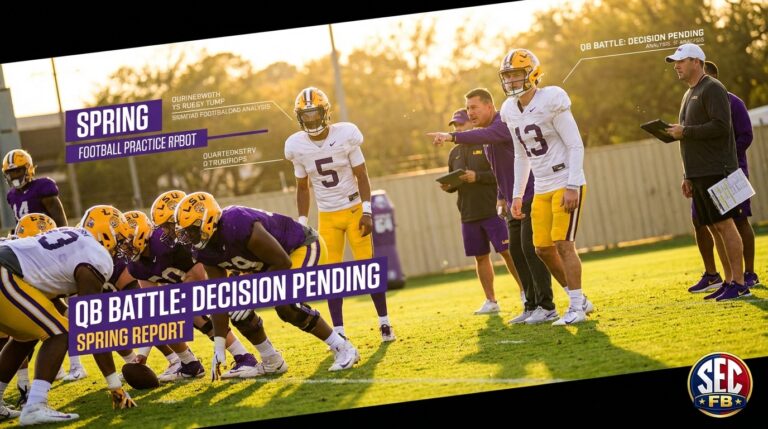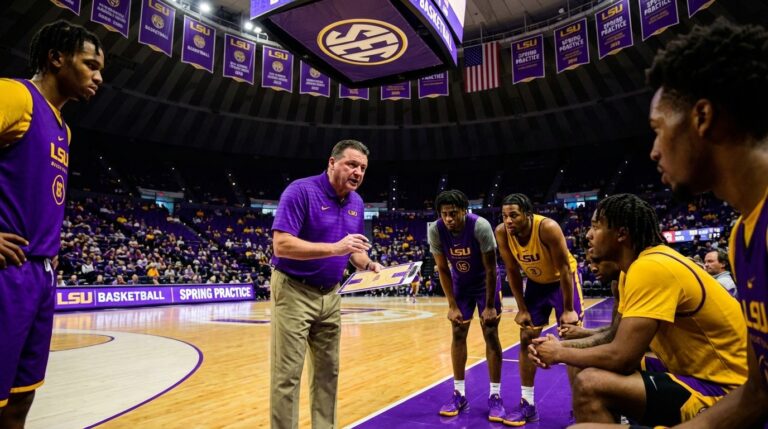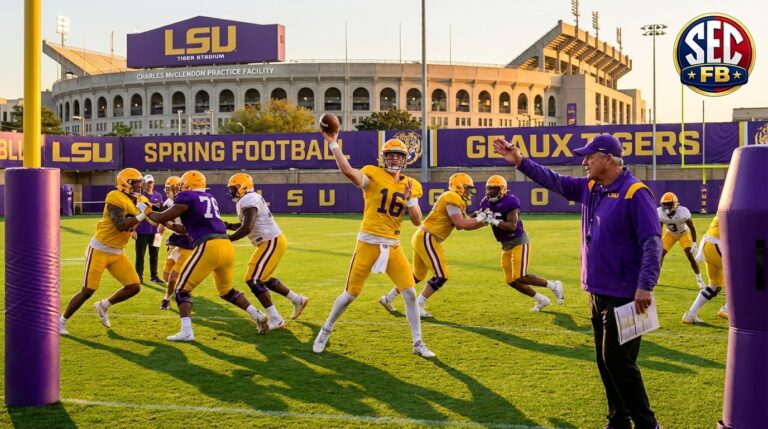
Why is LSU’s $200M coaching spree controversial?

LSU spends over $200 million on coaching hires (Lane Kiffin, Will Wade) — What it means for college athletics
LSU spends over $200 million on coaching hires (Lane Kiffin, Will Wade), and that headline understates the scale. The university committed seldom-seen sums to land two high-profile coaches and build two staffs. Because the deals include seven-year guarantees, buyouts, bonuses and roster budgets, the price goes beyond base salary. Therefore the move signals a spending spree that could reshape recruiting, NIL arms races and conference budgets.
Moreover, LSU pairs a $91 million contract for Kiffin with a $30 million deal for Wade. The programs also backed the hires with transfer portal and NIL money, which amplifies the financial impact. As a result, rivals face new pressure to match resources or risk falling behind.
However, the pact drew criticism from political leaders and governance advocates who called college athletics spending broken. This introduction sets an analytical frame to follow. It explores recruiting ripple effects, fiscal risks and the wider market response. Furthermore, expect detailed analysis below.

LSU spends over $200 million on coaching hires such as Lane Kiffin and Will Wade: financial breakdown
LSU’s commitments top $200 million since October 2025. Because the deals bundle salaries, buyouts, bonuses and roster funds, the tab is complex. Therefore this section breaks down the major line items. It shows direct contracts and supporting spending.
Key contract specifics
- Lane Kiffin: seven-year, $91 million deal. LSU will also cover College Football Playoff bonuses Kiffin earned at his previous job. LSU paid a $3 million buyout to free Kiffin quickly.
- Will Wade: seven-year, $30 million deal with a $12 million roster budget for men’s basketball. The contract includes performance incentives for NCAA Tournament progress. It also includes a 75 percent duty to mitigate clause if fired without cause. The buyout schedule starts at $5 million through April 1, 2027. It declines by $1 million each year through 2032.
- Buyouts and settlements: LSU paid about $7 million to buy out prior employers for Kiffin and Wade. In addition, Brian Kelly’s settlement and prior coaching changes add costly legacy payouts. Firing Matt McMahon will cost more than $8 million, according to reporting.
- Transfer portal and NIL: LSU committed roughly $40 million to transfer portal activity and NIL matching budgets. These funds amplify recruiting leverage and immediate roster upgrades.
- Staffing and support: LSU built two expanded coaching staffs and added operational budgets. That raises annual payroll and program operating costs beyond headline salaries.
Taken together, these items push LSU’s total outlay well above $200 million. Because the contracts carry long guarantees, budget pressure can extend for years. Moreover, roster budgets and transfer spending accelerate recruiting advantages. As a result, peer programs face new pressure to increase offers and matching NIL pools. However, critics say the scale distorts college sports economics and governance.
LSU also agreed to absorb certain College Football Playoff bonus obligations from Kiffin’s previous employment. Because those are contractual, LSU assumes additional sunk costs. Additionally, the school funded immediate buyouts to secure quick hires. Therefore timing and cash flow were central to the negotiations.
High guarantees aim to buy stability and on-field success. Yet they raise downside risk if performance falls short. Heavy buyouts can leave athletic departments with legacy liabilities. Consequently the LSU approach signals a rising market baseline for top Power Five hires. This shift could bid up contracts across football and basketball.
The numbers will matter beyond Baton Rouge. They will reshape recruiting, media rights discussions and conference economics. Next we examine recruiting ripple effects and market responses.
| Coach | Contract length and value | Buyout paid or owed | Incentive bonuses | Roster and staff spending | Notes |
|---|---|---|---|---|---|
| Lane Kiffin | 7 years, $91 million, LSU covers College Football Playoff bonuses earned at his previous job | $3 million buyout paid to previous employer | Performance and playoff linked bonuses, LSU absorbs past CFP bonuses | Expanded football staff supported by transfer portal and NIL resources | Long guarantee and high upside, but carries legacy cost risk |
| Will Wade | 7 years, $30 million | $4 million buyout paid to previous employer, internal buyout schedule starts at $5 million through April 1, 2027 and declines by $1 million per year to 2032 | Tournament incentives, $50,000 for NCAA appearance, $100,000 for Round of 32, $300,000 for Final Four, $800,000 for winning the title | $12 million roster budget for men’s basketball, expanded coaching and support staff | Includes 75 percent duty to mitigate clause if fired without cause |
| Brian Kelly | Settlement and commitments totaling $54 million | Legacy settlement figure paid as part of coaching turnover costs | Legacy contract incentives and buyouts already accounted for in settlement | Legacy payroll and staff commitments contributing to total overhaul | Significant legacy payout that increases departmental liabilities |
Combined, LSU’s headline contracts, buyouts, NIL and transfer spending push committed funds beyond $200 million.
Executive summary
LSU’s spending surge created immediate recruiting momentum across football and basketball. By combining elite coaching hires with sizable roster budgets, transfer portal funds and NIL matching pools, the program accelerated commitments, campus visits and transfer interest. The short term advantage pressures rivals to match offers while raising broader questions about fiscal sustainability and competitive balance.
Notable recruiting highlights
- Jaiden Bryant committed for 2027 following increased program contact and an official visit.
- Anthony Sweeney made a campus visit and met the new coaching staff, signaling recruiting traction.
- Jalanie George attended multiple evaluations, with transfer portal attention spiking for several prospects.
Recruiting implications and market signals
Because LSU paired top coaches with roughly forty million dollars for transfer and NIL activity, prospects and agents perceive immediate playing opportunities. Consequently, commitment timelines have shortened and transfer decisions came faster. In turn, peer programs now face pressure to boost NIL pools, roster budgets and talent acquisition strategies. Furthermore, increased media visibility amplifies recruiting reach and television interest.
Public and political reaction
Next, public response split between celebration and concern. Verge Ausberry called the pace unprecedented while Governor Jeff Landry praised hiring but criticized college athletics spending as broken. Fans showed strong support, yet critics urged greater oversight and transparency given long term budget risks.
Conclusion: Cost, recruiting and the future of college sports
LSU spends over $200 million on coaching hires (Lane Kiffin, Will Wade), and the figure matters. Because the commitments include long guarantees, buyouts, roster budgets and transfer spending, the impact will persist. The financial punch buys immediate recruiting traction and amplified national visibility. However, it also creates legacy liabilities for future athletic budgets.
In recruiting terms, LSU already shows returns. Because elite coaches and big roster budgets attract transfers and prospects, commitments like Jaiden Bryant followed. Moreover, campus visits increased after the hires. As a result, rival programs must respond or risk losing ground in the short term.
Public reaction mixed between pride and concern. Verge Ausberry called the pace unprecedented, while Governor Jeff Landry endorsed hiring but labeled college athletics spending broken. Critics warn that high guarantees and buyouts distort competitive balance. Yet supporters argue the investment will restore program momentum and fan engagement.
SECFB LLC will continue to track the fiscal and recruiting ripple effects closely. For deeper coverage and regular analysis visit SECFB.com and follow commentary on Twitter at @ZachGatsby. The reporting aims to be critical, data driven and solution oriented.
Ultimately, LSU made a strategic financial gamble. The bet could pay off on the field and in recruiting. Conversely, it could force budget tradeoffs in other sports. Still, there is room for cautious optimism if results match the investment. Therefore stakeholders should demand transparency, metrics and clear timelines for return on investment.
Frequently Asked Questions (FAQs)
What are the contract lengths and guaranteed values for LSU’s new hires?
Lane Kiffin signed a seven year deal worth about $91 million. Will Wade signed a seven year deal worth about $30 million. Brian Kelly’s departure involved a roughly $54 million settlement. Because contracts include bonuses and roster budgets, headline values understate total long term obligations.
How much did LSU spend overall, and what items drive the total cost?
LSU committed more than $200 million when you count salaries, buyouts and support spending. Major drivers include buyouts paid to previous employers, College Football Playoff bonus obligations, expanded staff payroll, and roster budgets. The athletic department also allocated roughly $40 million for the transfer portal and NIL matching. Therefore cash flows include one time payouts and multi year guarantees.
How will these hires affect recruiting and the transfer portal?
Because LSU paired elite coaches with sizable roster budgets, recruiting momentum arrived quickly. Prospects responded with campus visits and commitments. Transfers showed increased interest because LSU can offer immediate playing opportunities and enhanced NIL packages. As a result, rivals face greater pressure to match offers and to boost transfer portal spending.
What public and political reactions have emerged to the spending spree?
Reactions split between enthusiasm and concern. Verge Ausberry called the pace unprecedented. Governor Jeff Landry endorsed Will Wade yet described college athletics spending as broken and unreasonable. Fans praised the hires and expressed optimism. However, critics urged more oversight and transparency because high guarantees create long term liabilities.
What are the buyout terms, mitigation clauses and financial risks to watch?
LSU paid about $7 million in upfront buyouts, including a $3 million payment linked to Kiffin and roughly $4 million tied to Wade. Wade’s contract includes a 75 percent duty to mitigate clause and an internal buyout schedule that starts at $5 million and declines by $1 million per year through 2032. Heavy guarantees increase downside risk if results lag, so trustees should demand clear performance metrics and fiscal safeguards.