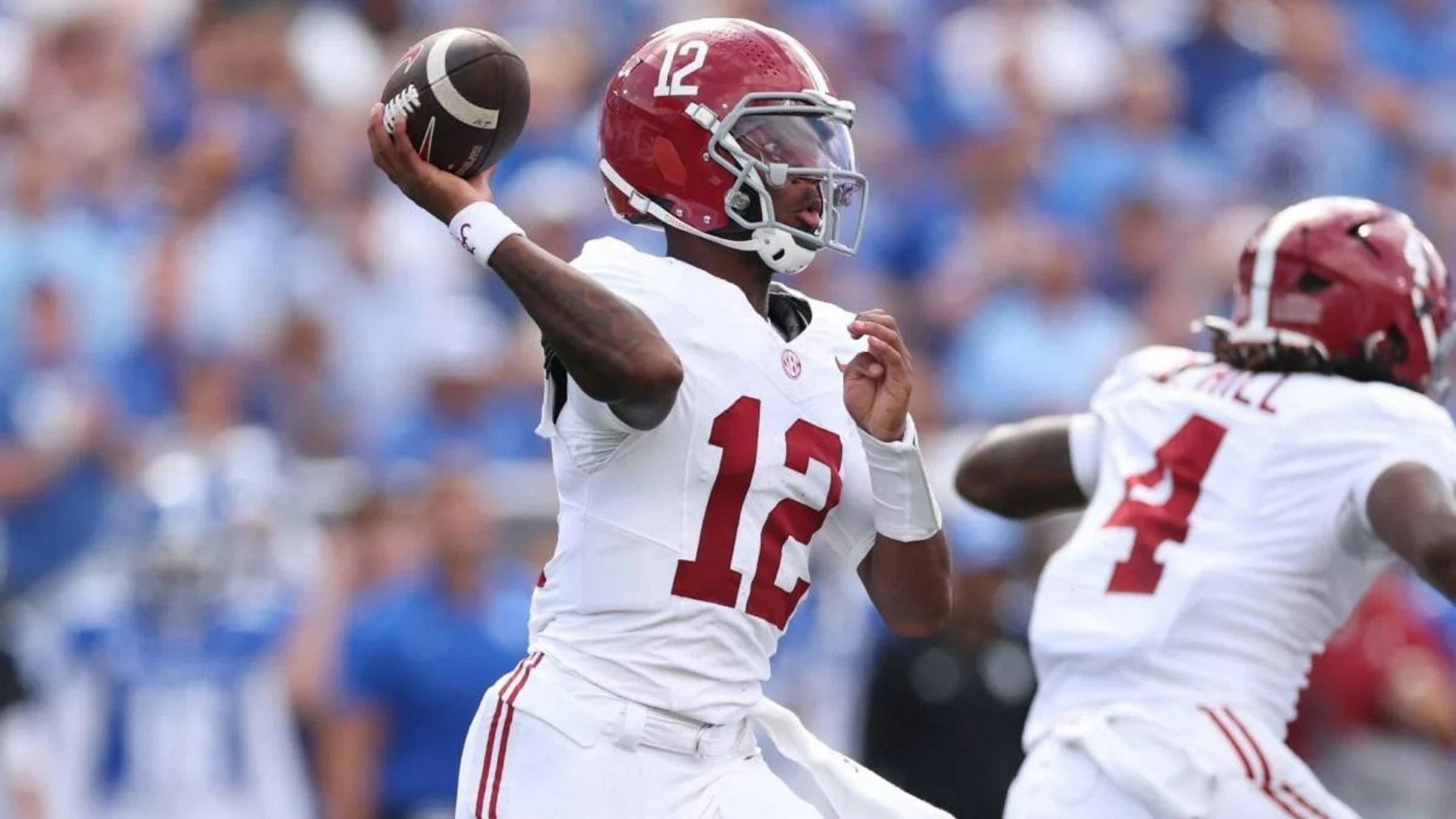

The LSU Tigers have been a lightning rod for criticism ever since their recent roster and coaching moves accelerated into public view. The commitment of Dae’Quan Wright — a former Ole Miss player who spent time with the Cleveland Browns before returning to college football — has crystallized that scrutiny.
As reported by LSU Tigers On SI, the combination of high-profile coaching hires and splash roster additions has led some to label the Tigers college football’s current public enemy No. 1, while supporters point out the program stayed within approved rules.
Key Takeaways
- LSU secured a commitment from Dae’Quan Wright after the former Ole Miss player was waived by the Cleveland Browns and opted to return to college football.
- Lane Kiffin’s arrival and relationships built while at Ole Miss helped LSU recruit players from a conference rival’s program.
- The optics of moving personnel between conference programs have amplified criticism, even as the Tigers’ moves were described as following proper approvals.
LSU Tigers roster shakeup after Wright commitment
Wright’s decision to return to the college game bumped an already active roster conversation into the national spotlight. The move underscores how programs are blending veteran experience with incoming talent to accelerate readiness for a championship push.
LSU’s front office and coaching staff moved quickly to integrate Wright into roster plans, viewing his experience in a professional environment as a short-term boost at his position. That approach fits a broader effort to stack depth and accelerate competition within position groups ahead of the season.
The roster shift has drawn critics who see poaching from conference rivals as an escalation, while supporters argue the Tigers did what other programs would do when presented a chance to add an experienced player.
Lane Kiffin and the Ole Miss coaching link
Lane Kiffin’s tenure at Ole Miss and subsequent move to LSU are central to the dispute over optics and intent. Critics have framed some of the Tiger program’s work as aggressively targeting personnel tied to his former staff or program relationships.
Kiffin has long been a polarizing figure in college football and has leaned into building connections that can produce quick roster advantages. His comment, “They’re either going to play for you or play for someone else,” captures a coaching philosophy that prioritizes competitive options and swift roster improvement.
That line of thinking is routine among coaches, but in this case it landed in the glare of conference rivalry and national commentary because of the specific personalities and programs involved.
How the Wright timeline compares to recent SEC transfers
| Case | Background | Movement |
|---|---|---|
| Dae’Quan Wright | Former Ole Miss player who signed with the Cleveland Browns and was later waived | Returned to college football and committed to LSU Tigers |
| Typical SEC veteran return | Players with professional experience or brief NFL stints seeking collegiate eligibility or playing time | Common pattern is a move back to a Power Five program that offers immediate role clarity and depth |
| Conference-rival transfer dynamics | Movement between SEC programs often follows coaching changes or pre-existing relationships | Such transfers heighten rivalry narratives when personnel cross familiar lines |
SEC recruiting and CFP implications for LSU Tigers
Recruits and rivals are watching closely, and how LSU navigates the fallout could matter in tight recruiting battles across the conference. The perception of aggressiveness can alienate some prospects while attracting others who want to compete in a cutthroat environment.
On the College Football Playoff front, roster additions like Wright are short-term variables that can influence depth and game-day matchups. Supplemental veteran experience can matter in late-season matchups where turnovers and situational football decide games.
LSU’s willingness to add experienced pieces reflects a broader strategy to construct a roster that can absorb attrition and push for playoff positioning in a 16-team SEC era.