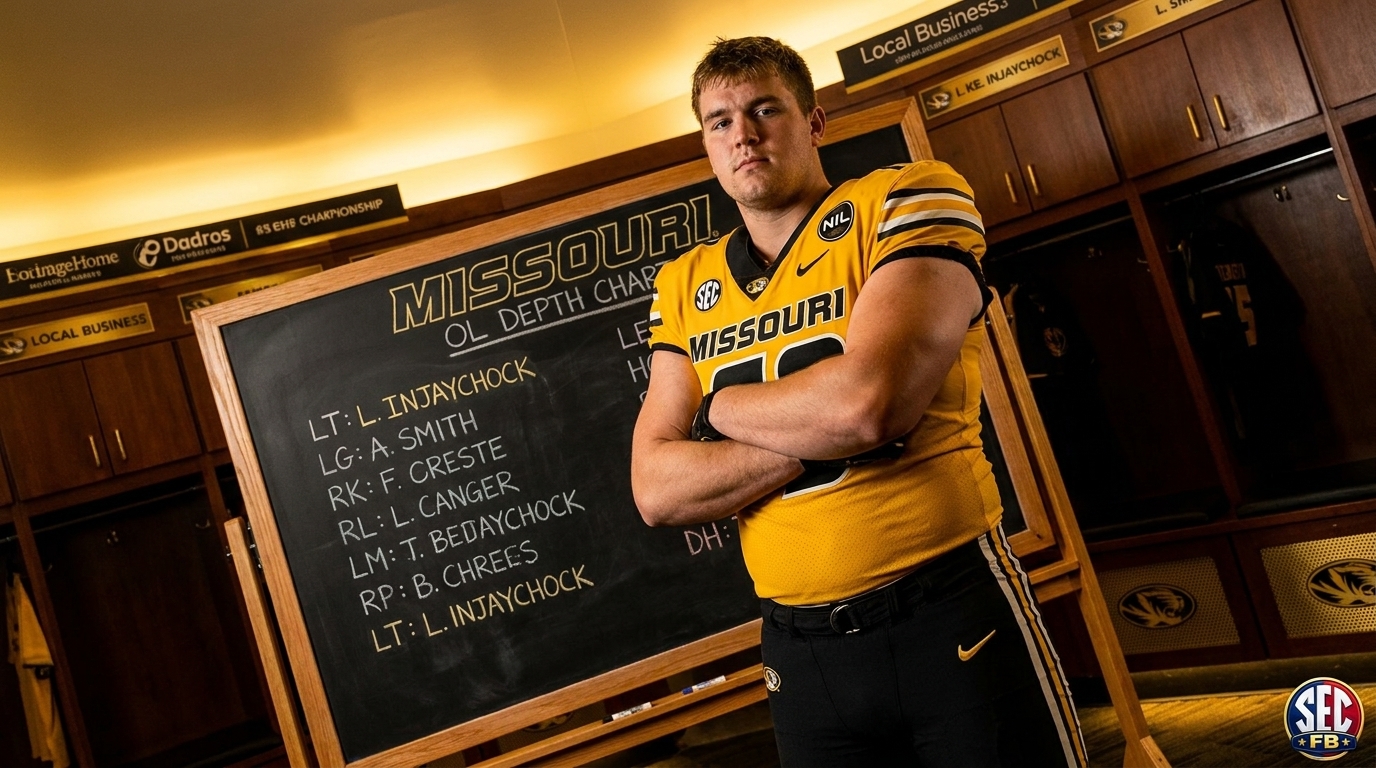
Luke Injaychock recruitment and Missouri offensive line depth sit at the center of Mizzou’s offseason planning. As the staff evaluates roster needs, they prioritize interior size and developmental potential because depth matters in the SEC. Injaychock projects as a versatile interior lineman who could slide to tackle, and therefore he drew midlevel national interest.
Missouri seeks recruits who can add immediate competition, then develop into reliable starters over two to three seasons. However, the Tigers will mix high school talent with portal pickups and NIL strategies to accelerate depth. At six foot five and about 285 pounds, he fits physical thresholds but needs coaching on technique and leverage.
Because playing time may not arrive immediately, the staff plans long term depth building and patient development. Therefore this recruitment signals Missouri’s cautious but forward looking approach to protecting the quarterback and running game. Analytically, Injaychock’s offers from Power Four programs validate his upside while Mizzou bets on coaching to convert potential.
Luke Injaychock Overview
Luke Injaychock arrives as a three-star recruit and the top interior offensive lineman in LaGrange Park, Illinois. He stands 6-5 and weighs about 285 pounds. As an interior offensive lineman, he brings length, size, and upside. Because he ranks highly in Illinois, Power Four programs pursued him.
High School Performance
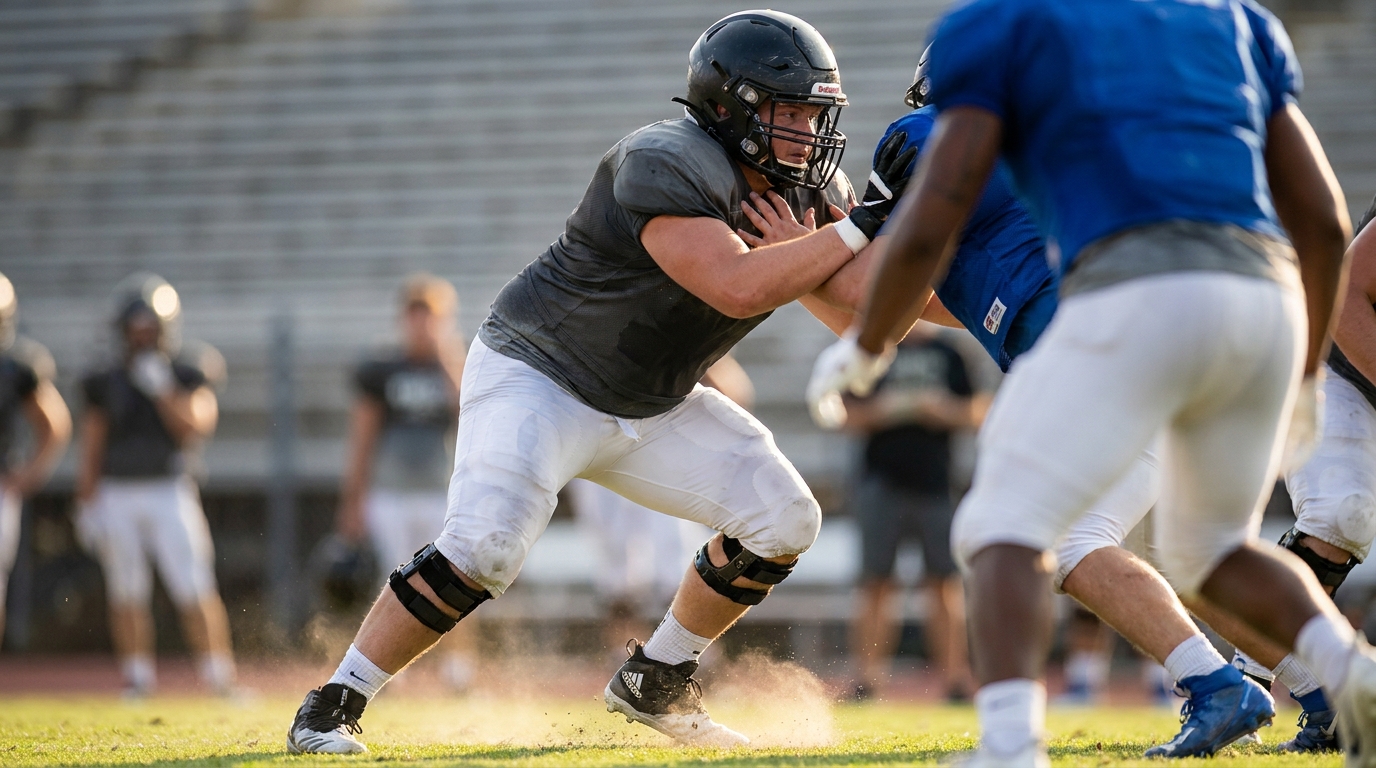
At Nazareth Academy, he lined up at right tackle as a junior, showing pass sets and mobility. However, scouts list him as a versatile prospect in the guard vs tackle conversation. Many project him more as a tackle at the college level because of his length and footwork. His offer list includes Ohio State, Illinois, Auburn, Arkansas, Wisconsin, and more Power Four programs.
Future Prospects
Missouri views him as a developmental piece who can add depth to the offensive line room. He may not see significant snaps until his sophomore year, and more likely his third year on campus. Therefore, coaches plan a structured strength and technique plan to convert potential into consistent play. As a result, he fits Mizzou’s model of mixing high school recruiting with NIL resources to build depth.
Coaching and Development
His ceiling depends on coaching, patience, and reps in the weight room. Brandon Jones and the staff will emphasize leverage, hand placement, and film study. Ultimately, Injaychock offers Mizzou a big-bodied lineman who can compete inside or slide to tackle over time.
| Strategy | Description | Advantages |
|---|---|---|
| High school recruiting | Target local and regional linemen with size and developmental upside. Coaches invest in strength work, technique, and multi year growth. | Builds long term depth, creates continuity on the offensive line, and costs less than big portal deals. |
| NIL and revenue sharing | Use NIL and revenue share to retain recruits and sway mid tier targets. Therefore Missouri can better compete for prospects. | Improves recruiting leverage, rewards loyalty, and allows targeted investments in offensive linemen. |
| Transfer portal | Scout experienced portal linemen to fill immediate holes. However these players may not always fit long term schemes. | Adds instant starters or rotational depth, reduces development time, and patches urgent needs. |
| Hybrid model | Combine high school development with selective portal pickups and NIL offers. As a result Missouri balances short and long term needs. | Provides roster flexibility, depth across classes, and adapts quickly to injuries. |
| Historical methods | Rely on walk ons and small transfers with minimal NIL involvement. However this often fell short in SEC depth battles. | Low cost, but inconsistent results against top tier opponents. |
Missouri approaches offensive line recruiting with analytical caution, and the staff prioritizes depth over splash signings. Head coach Eli Drinkwitz directs the broader vision, while offensive line coach Brandon Jones executes positional plans. Because the SEC demands consistent line play, Missouri builds depth incrementally. Therefore, the program balances immediate needs with multi-year development.
The high school recruiting strategy focuses on players with size and coachable traits who fit Mizzou’s developmental plan. Coaches favor recruits who can add competition quickly, but also improve over two to three seasons. However, the staff does not ignore higher rated prospects when value appears. NIL and revenue share act as targeted tools to keep mid-tier recruits competitive, and they help sway prospects who might otherwise choose power conference programs.
Missouri uses the transfer portal selectively to fill urgent gaps, but the emphasis remains on long-term growth. As a result, the Tigers mix experienced portal linemen with high school signees to create layered depth. This hybrid model reduces risk, and it provides flexibility during injury stretches. Meanwhile, the strength staff focuses on technique and length conversion to accelerate readiness at the college level.
Analytically, Missouri trades immediate national headlines for sustained depth in offensive line units. The staff measures success by reliable rotations and fewer drop-offs during the season. In the end, this cautious, data-informed approach aims to produce a deeper, more consistent line across classes.
In sum, Luke Injaychock recruitment and Missouri offensive line depth illustrate a forward looking, depth first strategy for the Tigers. The staff values size, length, and developmental upside because the SEC punishes thin line rooms. Missouri prefers layering high school recruits with selective portal additions and targeted NIL offers. Therefore the program reduces single point risks and builds sustainable rotations over multiple seasons.
Injaychock fits that model as a three star interior offensive lineman from LaGrange Park, Illinois. He projects as a tackle candidate with time needed to refine technique. However Missouri expects growth through strength work, coaching, and measured playing reps. As a result his recruitment signals Mizzou’s commitment to patient development rather than chasing only top rated names.
Ultimately the Tigers aim for reliable depth in offensive line units, not one year fixes. For continued coverage and analysis consult SECFB LLC and follow their Twitter profile @ZachGatsby for timely Missouri Tigers football insights.
Frequently Asked Questions (FAQs)
Who is Luke Injaychock and what is his recruiting profile?
Luke Injaychock is a three-star recruit and the top interior offensive lineman in LaGrange Park, Illinois. He measures about 6-5 and 285 pounds. Because he played right tackle at Nazareth Academy, scouts note his length, mobility, and interior potential.
Does he project as a guard or a tackle at the college level?
Most evaluators see him as a tackle candidate due to his length and footwork. However, he qualifies as an interior offensive lineman in the guard vs tackle debate. Therefore coaches may move him inside if he adds bulk and plays with lower pad level.
When might Mizzou expect him to contribute on the field?
Expect a patient timeline. He will likely develop through year one and may see rotational snaps in year two. As a result he could be a more reliable starter by his third year on campus after strength and technique work.
How does his recruitment affect Missouri offensive line depth?
Injaychock fits Missouri’s depth in offensive line plan because he adds size and upside. Missouri blends high school recruiting strategy with selective portal use and NIL tools. Therefore his presence strengthens future class balance.
What are the biggest growth areas for him right now?
He needs consistent pad level, hand placement, and drive in run blocks. Meanwhile coaches will emphasize strength, leverage, and film study. With time and coaching he should convert raw traits into reliable play.