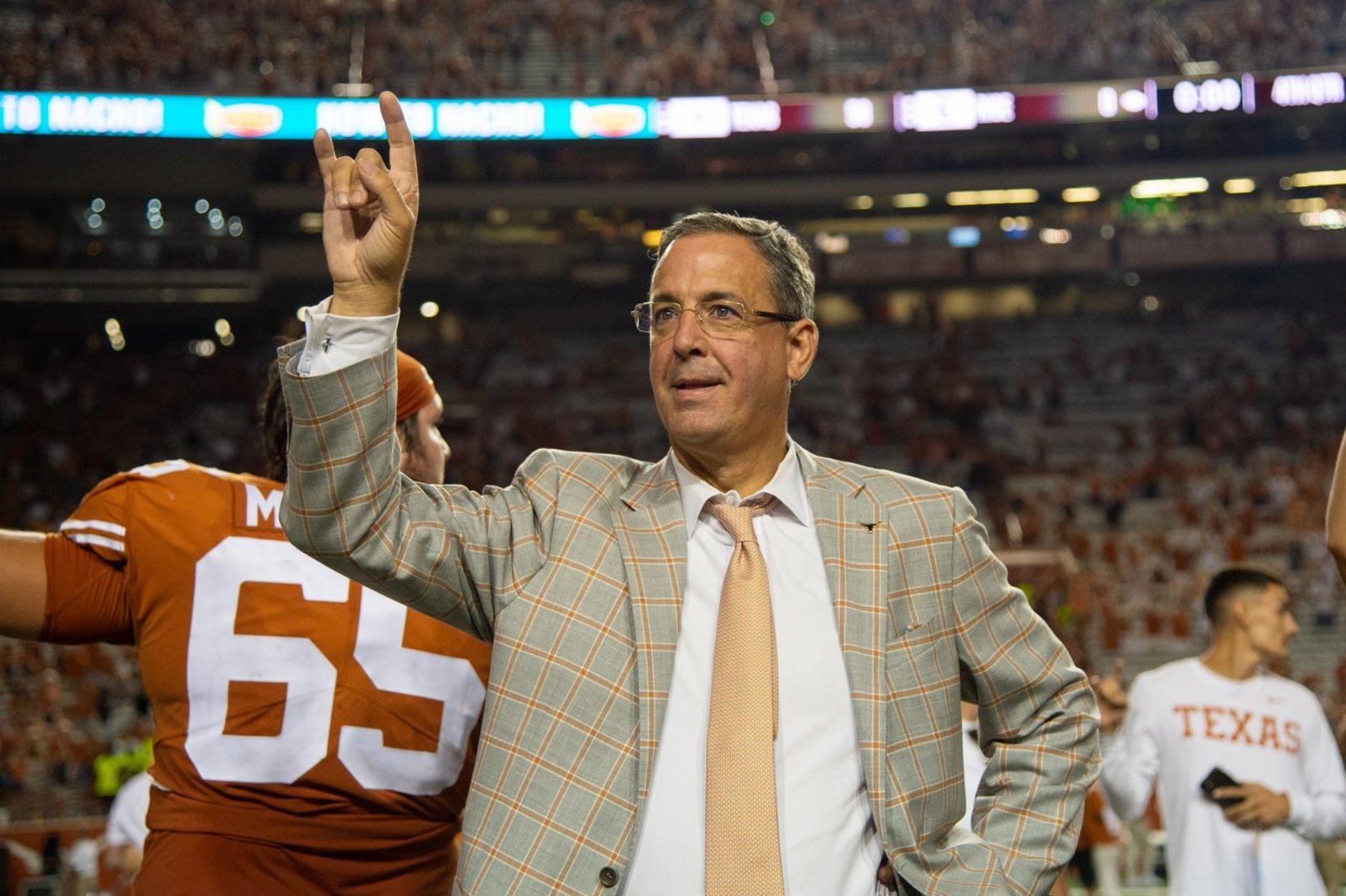
The basket weaving remark landed the interview in headlines and quick controversy. Steve Sarkisian used it while discussing inequalities in college football, and he named transfer rules. Because the comments referenced Ole Miss, they sparked a strong reaction from the program. Sarkisian later stressed Ole Miss is a fine institution, and he apologized for any offense. However, the issue runs deeper than a single line in a USA Today piece. He argued that transfer staff budgets and admissions policies create real inequality across programs. At Texas, for example, teams will only accept half of a transfer’s credit hours. By contrast, Ole Miss can award a degree after a single class at the school. Maybe that class is basket weaving, maybe it is macroeconomics, or perhaps statistics. He said the excerpt may have lost context, and he emphasized relationships with Lane Kiffin and Pete Golding. As a result, the SEC fallout mixed defense and criticism of conference practices. This article will explain the comments, and it will probe the inequalities Sarkisian described. Therefore, expect context on admissions, roster budgets, and transfer rules in the sections that follow. Ultimately, the goal is to clarify intent while examining systemic advantages and barriers.
Sarkisian’s basket weaving remark and transfer inequalities
Steve Sarkisian used the basket weaving remark while describing structural inequalities in college football. He said there is an inequality in transfer access, and he named differences in admissions and credit rules. However, his point focused on systemic gaps, not a school attack. He added, “Ole Miss is a fine institution, they’ve got the great degrees, all the things there.” As a result, the comment read as both critical and defensive.
Key specifics in simple terms
- Texas accepts only 50 percent of a transfer player’s academic credit hours. For context, that equates to completing roughly half a degree at the University of Texas, or 60 hours.
- By contrast, Sarkisian said Ole Miss could award a degree after a transfer takes one course at the school. He even used the line, “Maybe that one class is basket weaving, maybe that one class is macroeconomics, I don’t know, statistics, irrelevant.” This illustrated his point about uneven academic thresholds.
- He linked the credit rules to broader resource gaps, including transfer staff budgets, roster budgets, and conference scheduling.
Transfer rules, credits and Ole Miss context
Sarkisian noted the Ole Miss reference partly because two close friends worked there. He said, “The only reason the Ole Miss thing came up is because two of my best friends were there in Lane Kiffin and Pete Golding.” Therefore, the remark mixed personal ties with policy critique. He apologized for any misread excerpts and clarified intent after a USA Today interview here. The comments came before an event at the Touchdown Club of Houston. For more on the quote and immediate reactions see this article. For institutional context on transfer rules see the University of Texas site here and the University of Mississippi site here.

SEC fallout and the wider implications of the basket weaving remark
Steve Sarkisian’s comments sparked debate inside the SEC because they touched systemic issues. His critique moved beyond one program. Therefore, conference leaders, coaches, and athletic directors responded. The debate focused on fairness in transfers, roster building, and institutional admissions.
How the remarks map to concrete inequalities
- Transfer credit policies matter. At the University of Texas, staff accept only 50 percent of a transfer player’s academic credit hours, which means a player may need to finish 60 hours at UT to claim degree progress. By contrast, Sarkisian said Ole Miss can award a degree after a single course at the school, which exposes uneven academic thresholds.
- Resource gaps shape movement. Programs with larger transfer staff budgets can recruit and process portal entries faster. As a result, those schools often secure higher-rated transfers.
- Roster budgets affect depth. Teams with bigger roster budgets buy more support staff and training resources. Consequently, those teams can integrate transfers more effectively.
- Conference scheduling plays a role. Stronger schedules can raise a program’s profile. Therefore, teams with favorable scheduling attract transfers more easily.
Immediate SEC reactions and local impacts
- Vanderbilt and midtier programs felt named by implication. Sarkisian said, “There is an inequality when it comes to transfers of who can transfer to us — or to Vanderbilt for that matter — and who can transfer to an Ole Miss.” This highlights competitive imbalance.
- Ole Miss pushed back and emphasized institutional quality. Sarkisian also said, “Ole Miss is a fine institution, they’ve got the great degrees, all the things there.” He added that two friends, Lane Kiffin and Pete Golding, partly framed his comments.
Data driven notes and reporting
- The 50 percent credit rule at Texas and the 60 hour requirement are key facts in this dispute. For reporting on the basket weaving remark see here.
- For original interview context and media coverage see here.
Overall, the fallout shows policy and parity questions are active in the SEC. As a result, conferences may revisit transfer rules and resource allocation to reduce clear inequalities.
Academic transfer rules comparison
| Institution | Percent of transfer credits accepted | Minimum degree hours required at institution | Course flexibility examples | Notes |
|---|---|---|---|---|
| Texas | 50% | 60 hours (roughly half of a degree at UT) | Limited flexibility | Policy cited by Sarkisian; stricter credit acceptance can slow degree progress |
| Ole Miss | Not stated as a percentage | Can award a degree after one course post-transfer | Basket weaving, macroeconomics, statistics (examples Sarkisian used) | Used as a contrast point to show uneven academic thresholds |
| Vanderbilt | Not specified in Sarkisian’s comments | Varies by program and transfer review | Varies by department and advisor | Cited by Sarkisian as an example of midtier programs affected |
This table clarifies the basket weaving remark and credit differences. Therefore readers can see how transfer rules affect student movement. However, institutional policies vary, so review specific university transfer pages for exact rules.
Conclusion
Steve Sarkisian’s basket weaving remark sparked wider debate about fairness in college football. He argued transfer rules and resource gaps create real inequality. At the same time he apologized, saying, “I apologize if they took it that way.” Moreover, he defended Ole Miss directly, calling it “a fine institution, they’ve got the great degrees, all the things there.”
The core dispute centers on credit acceptance, roster budgets, transfer staff funding, and conference scheduling. For example, Texas accepts 50 percent of transfer credits while Sarkisian contrasted that with one course degree paths. Therefore transfers face different academic and athletic barriers across the SEC. As a result, the fallout pushed schools to reassess policy and parity concerns. In short, the remark forced an important conversation rather than just a headline.
For ongoing SEC coverage and context visit SEC Football and follow SECFB on Twitter at @ZachGatsby.
Frequently Asked Questions (FAQs)
What did Steve Sarkisian mean by the basket weaving remark?
Sarkisian used the basket weaving remark to illustrate uneven academic thresholds and transfer access across programs. He said “Maybe that one class is basket weaving, maybe that one class is macroeconomics, I don’t know, statistics, irrelevant.” His point targeted system gaps like transfer staff budgets, roster budgets, conference scheduling, and admissions. However, he stressed the comment was not meant as an attack on Ole Miss. He added, “Ole Miss is a fine institution, they’ve got the great degrees, all the things there.”
Did Sarkisian apologize and defend Ole Miss?
Yes. He apologized if excerpts were taken out of context, saying, “I apologize if they took it that way.” He also noted two close friends were at Ole Miss. Therefore his remarks mixed apology with explanation.
How do transfer credit rules differ between Texas, Ole Miss and Vanderbilt?
- Texas: accepts about 50 percent of transfer credits and typically requires about 60 hours to count toward a degree.
- Ole Miss: described by Sarkisian as able to award a degree after one course post-transfer.
- Vanderbilt: policies vary by program and transfer review.
These differences show clear academic flexibility gaps.
How do these inequalities affect transfer students?
Inequalities influence degree progress, scholarship timing, and playing eligibility. Transfers at stricter schools may need extra semesters. As a result, students face academic delays and recruiting disadvantages. They also endure extra stress during the transfer process.
What can the SEC or schools do to address the problem?
- Standardize or clarify credit acceptance rules across conferences.
- Increase transparency on transfer staff resources and budgets.
- Fund transfer offices to level recruiting access.
- Reassess scheduling and admissions rules to improve parity.
These steps could reduce clear imbalances and protect student interests.