Ole Miss NCAA tampering probe and NIL transfer investigations have put the Rebels under a bright spotlight.
The allegations surfaced this offseason and now prompt serious questions about recruiting conduct.
Because both the NCAA and the oversight body CSC have opened inquiries, scrutiny has intensified.
This article examines how these probes could reshape Ole Miss roster decisions and compliance.
We break down key documents, timelines, and possible penalties, and we consider roster fallout.
However, the full facts remain incomplete and public records show gaps.
Because transparency matters, we also explain what universities must report and why.
Moreover, we place recent communications and term sheets in context to assess compliance risk.
As a result, readers will get a clear view of possible outcomes and next steps.
We use public records, reporting, and interviews where available to support our analysis.
Finally, we aim to inform fans, staff, and policymakers without rushing to judgment.
Ole Miss NCAA tampering probe and NIL transfer investigations: NCAA, CSC, NIL, transfers, NIL agreements
The dual inquiries into Ole Miss center on two transfers this offseason and on separate lines of alleged misconduct.
NCAA investigators opened a tampering probe after Clemson raised concerns.
Because Clemson coach Dabo Swinney publicly accused Ole Miss of improper contact, the NCAA sent an email to Ole Miss compliance on Jan 23 several hours before Swinney spoke.
Separately, the independent oversight body CSC contacted Ole Miss about possible NIL violations five days after the NCAA notice.
CSC records show the player’s name and former school were redacted.
After the school and player submitted deals, CSC asked follow up questions about additional agreements and pending arrangements.
Key timeline and communications
- Jan 23: NCAA enforcement staff sent an email to Taylor Hall at Ole Miss hours before Dabo Swinney’s public comments.
- Five days later: CSC reached out to inquire about a transfer’s NIL and revenue sharing.
- Feb 11: Taylor Hall emailed CSC asking if anything else was needed, writing that Ole Miss is committed to transparency.
- Feb 13: CSC formally requested an on campus interview with the transfer to investigate potential NIL agreement violations.
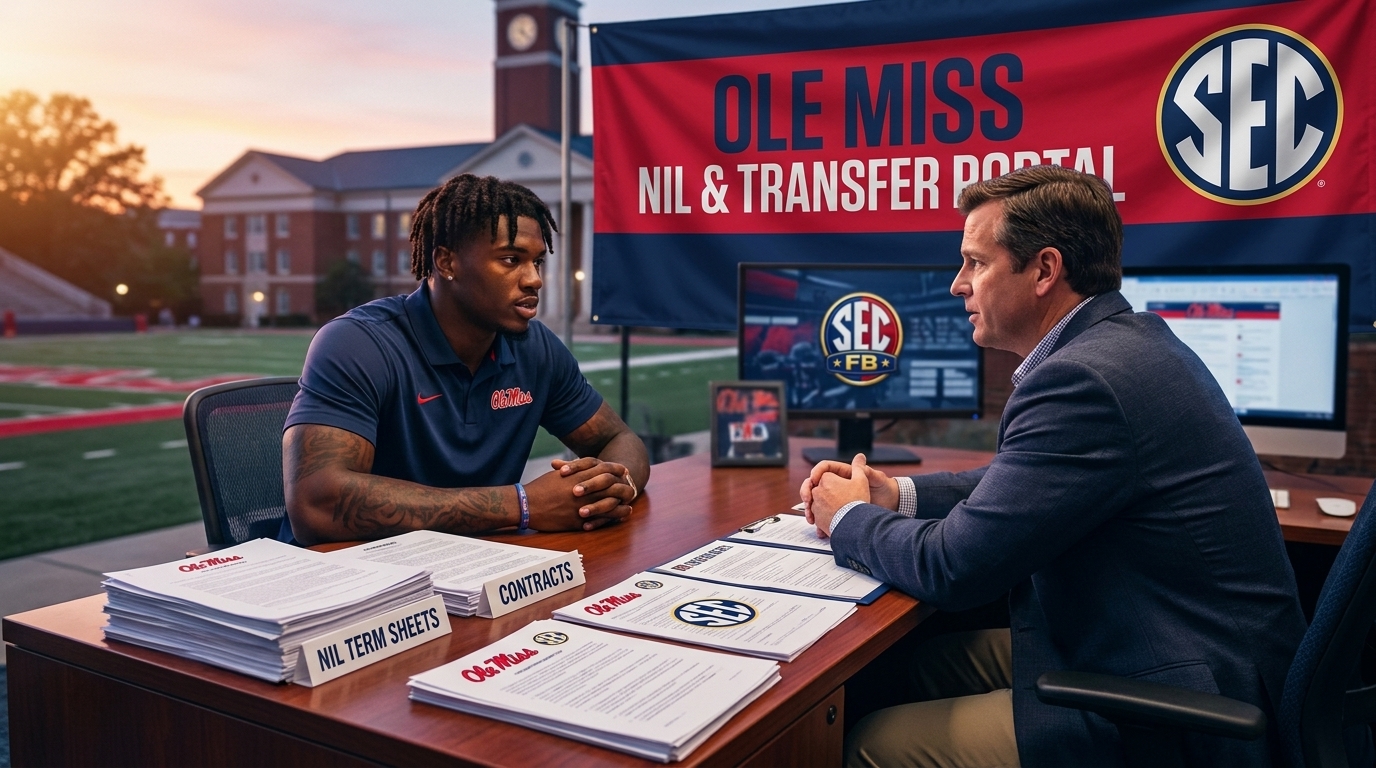
- Term sheet: Ole Miss provided a $475,000 term sheet to a transfer that listed $235,000 in NIL compensation without source explanation.
Nature of the allegations
The NCAA probe centers on tampering and improper communication with a prospective transfer, including contacts before school release or permission.
The CSC review focuses on whether listed NIL agreements were impermissible pay for play.
Because NIL must compensate for specific work, investigators will examine endorsements, services, and revenue sharing.
Investigators will also study whether any revenue sharing involved third parties or associated individuals.
Potential implications for roster and compliance
If violations surface, penalties could affect roster eligibility and recruiting practices.
Therefore compliance offices will likely tighten documentation and disclosure.
For now, public records reveal gaps and many questions remain unanswered.

Comparing NCAA and CSC: roles, recent cases, enforcement methods
| Body | Role and authority | Recent cases | Enforcement methods and notes |
|---|---|---|---|
| NCAA | Governs college athletics nationwide. Enforces recruiting rules, including tampering. Operates through enforcement staff and formal adjudication. | Opened a tampering probe after Clemson raised concerns about contact with Luke Ferrelli. Investigating Ole Miss for alleged improper communications. Continues traditional recruiting enforcement. | Uses investigations, notice letters, and formal penalties. Penalties may include suspensions, scholarship reductions, and postseason bans. Processes are long established and precedent driven. |
| CSC | Independent oversight body formed after the House settlement. Focuses on NIL reporting and related disputes. Authority derives from postsettlement governance. | Investigated Ole Miss over a transfer’s NIL term sheet and revenue sharing. Issued the recent CSC arbitration ruling involving Nebraska players. That ruling may not apply broadly. | Relies on interviews, document reviews, and arbitration. Because its methods are newer, enforcement methods remain untested. Centers on NIL agreements and revenue sharing concerns. |
Key takeaways
- The NCAA handles broad rule enforcement and long standing infractions. However, it also reviews tampering in transfers.
- The CSC concentrates on NIL agreements and post House settlement issues. Therefore its arbitration decisions shape new precedents.
- Together they can create overlap in transfer and NIL probes, which complicates compliance for schools and players.
Roster implications: Ole Miss NCAA tampering probe and NIL transfer investigations
The probes create immediate uncertainty for the Rebels’ roster and recruiting plans. Because investigators focus on transfers and deals, coaches must pause certain moves. However, the school has publicly signaled cooperation. As Taylor Hall wrote to the CSC on Feb 11, “Is there anything else specifically that I need to ask him about? We are committed to being transparent and want to ensure our reporting obligations are satisfied.”
Short term roster effects
- Eligibility reviews may delay transfer enrollments and game availability. Therefore coaches could lose expected contributors during the season.
- Schools may place players on administrative holds during interviews. As a result, depth charts can shift suddenly.
- Pending scholarships and term sheets could face scrutiny if payments lack clear sourcing or work descriptions.
Longer term recruiting and compliance fallout
- Compliance offices will tighten documentation of NIL agreements and revenue sharing. Because the CSC and NCAA can both investigate, schools will increase oversight.
- Programs may change how they structure deals. For example, teams could favor simple endorsements over complex revenue sharing. This reduces legal ambiguity.
- Recruiting strategies could shift away from high risk markets. Therefore coaches might avoid late portal targets with murky NIL ties.
Risk to program reputation and public pressure
- Public barbs amplify scrutiny. For instance, Texas coach Steve Sarkisian publicly criticized Ole Miss. That criticism increases media attention.
- Boosters and third parties may face closer examination. Consequently schools may restrict booster involvement in recruiting.
- Even absent formal penalties, reputational damage can affect future recruits and donor confidence.
Compliance actions Ole Miss and peers should take
- Audit existing NIL agreements and term sheets for clear deliverables.
- Centralize reporting to ensure timely CSC and NCAA disclosures.
- Train staff and boosters on permitted communications to avoid tampering allegations.
- Document all outreach to transfers to defend against tampering claims.
The uncertainty remains high. For now, Ole Miss cooperates with investigators and seeks transparency. Readers should expect more clarifying records and possible interviews. For wider context on how transfer portal tampering affects fairness in college football, see the SECFB piece.
Conclusion
The Ole Miss NCAA tampering probe and NIL transfer investigations have exposed gaps and new tensions in college football compliance. Because both the NCAA and the CSC are involved, the situation shows how old recruiting rules and new NIL oversight collide. The probes focus on improper contact claims and on whether NIL deals masked pay for play.
In short
- Investigations remain active and evolving, so final outcomes are uncertain. Therefore fans and staff should expect more records and interviews.
- The dual inquiries could affect player eligibility, roster decisions, and recruiting behaviors. As a result, programs may overhaul documentation and booster oversight.
- Reputation risk matters. Public criticism and media attention can shape recruiting momentum even before formal penalties arrive.
What to watch next
Watch for CSC interviews, NCAA findings, and any arbitration rulings. Also monitor how schools change NIL reporting and compliance procedures. Those steps will signal how enforcement will work in practice.
About SECFB LLC
SECFB LLC covers college football with analysis and reporting. Visit SECFB.com for ongoing coverage and follow on Twitter at @ZachGatsby for updates. Stay tuned to their reporting to track developments in this and related cases.
Frequently Asked Questions (FAQs)
What does the Ole Miss NCAA tampering probe and NIL transfer investigations involve?
Two separate inquiries focus on transfers this offseason. The NCAA opened a tampering probe after Clemson raised concerns about contact with Luke Ferrelli. Meanwhile the CSC reviewed a transfer’s NIL and revenue sharing. Documents show an NCAA email to Ole Miss compliance on Jan 23. Also, the CSC sought interviews and asked follow up questions about undisclosed deals. As Taylor Hall wrote on Feb 11, “Is there anything else specifically that I need to ask him about? We are committed to being transparent and want to ensure our reporting obligations are satisfied.”
How might the probes affect the Rebels’ roster?
Short term effects can include eligibility reviews and enrollment delays. Teams may place players on administrative hold during interviews. Therefore depth charts can shift quickly. Scholarship offers and term sheets may need re documentation. Long term, recruiting approaches could change because programs seek to reduce legal risk.
What NIL rules are under scrutiny?
Investigators will look for pay for play and unclear revenue sharing. NIL must compensate for specific work such as endorsements. The contested Ole Miss term sheet listed $235,000 in NIL pay without clear sources or deliverables. Therefore investigators will test whether payments matched real services. Also they will check third party involvement and any linked revenue sharing.
What are the roles of the NCAA and the CSC in these cases?
The NCAA enforces longstanding recruiting rules and tampering policy. In contrast, the CSC emerged after the House settlement to oversee NIL reporting and disputes. The CSC uses interviews, document review, and arbitration. Because the CSC is newer, its enforcement methods remain untested. Recently the CSC issued an arbitration ruling involving Nebraska players.
What is the likely timeline and outlook?
Investigations can take months and may include interviews and arbitration. Findings might affect eligibility, recruiting, or school reputation. For now Ole Miss has cooperated and signaled transparency. However final outcomes remain uncertain, and stakeholders should watch for new records and official rulings.