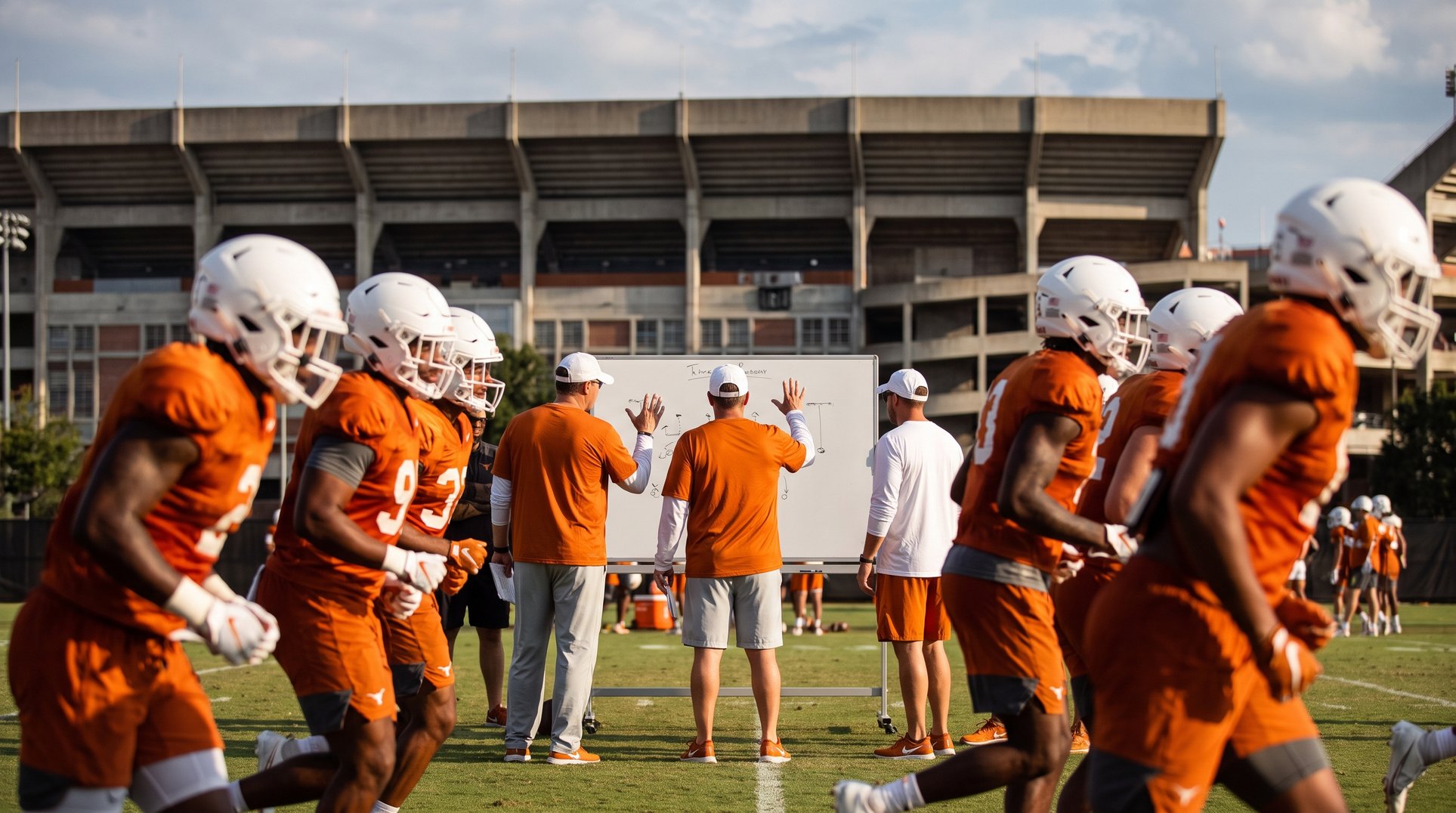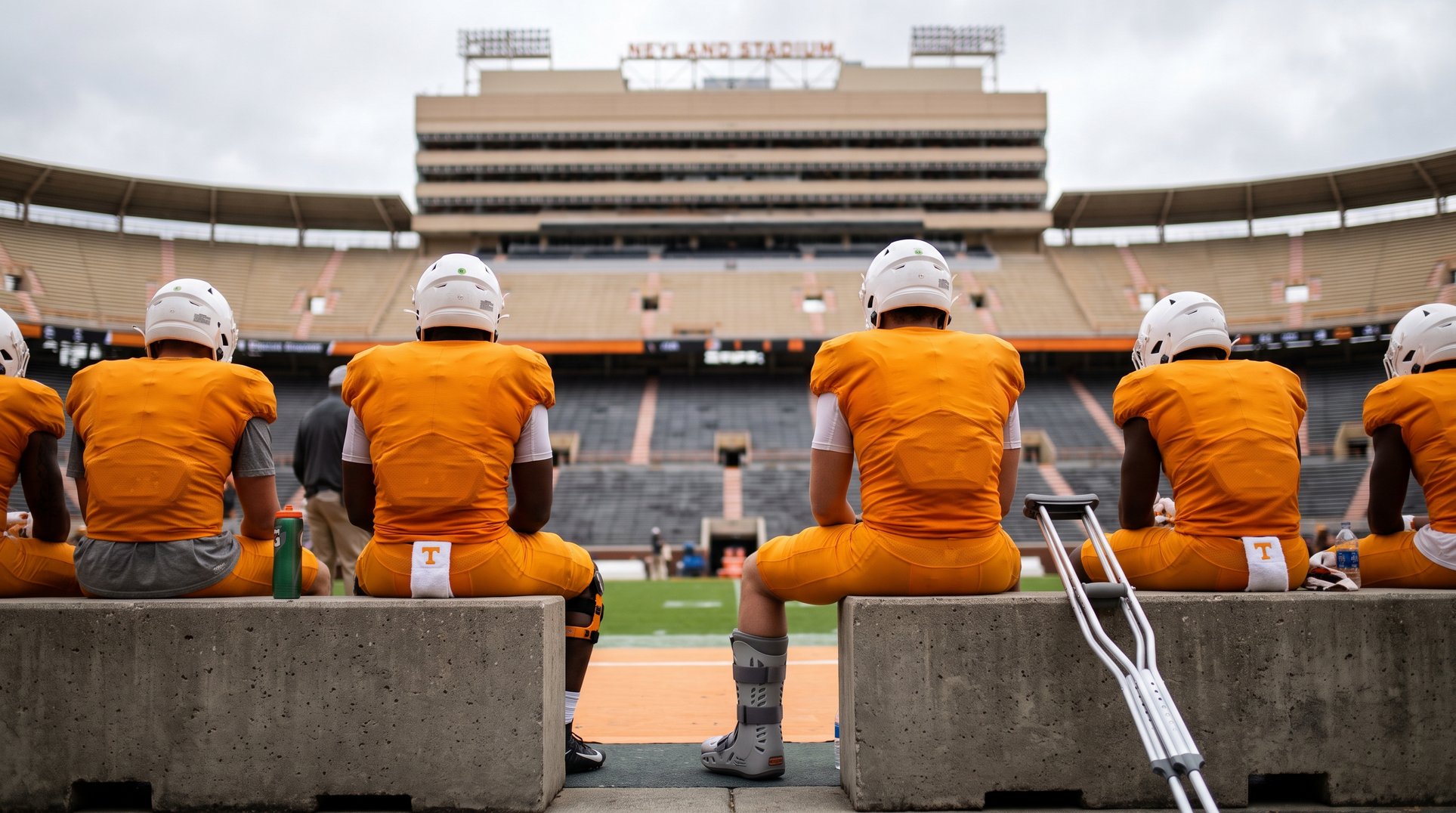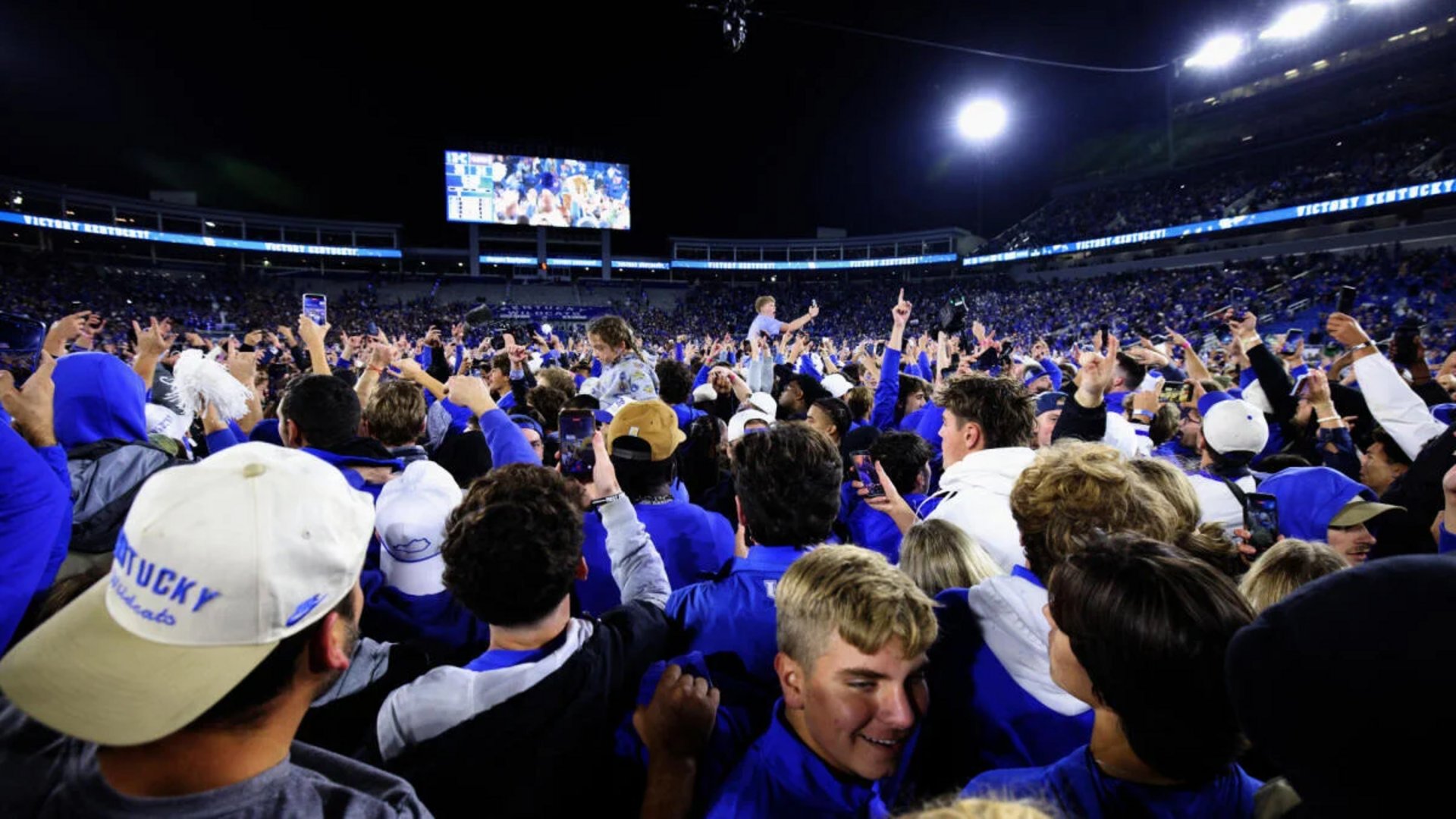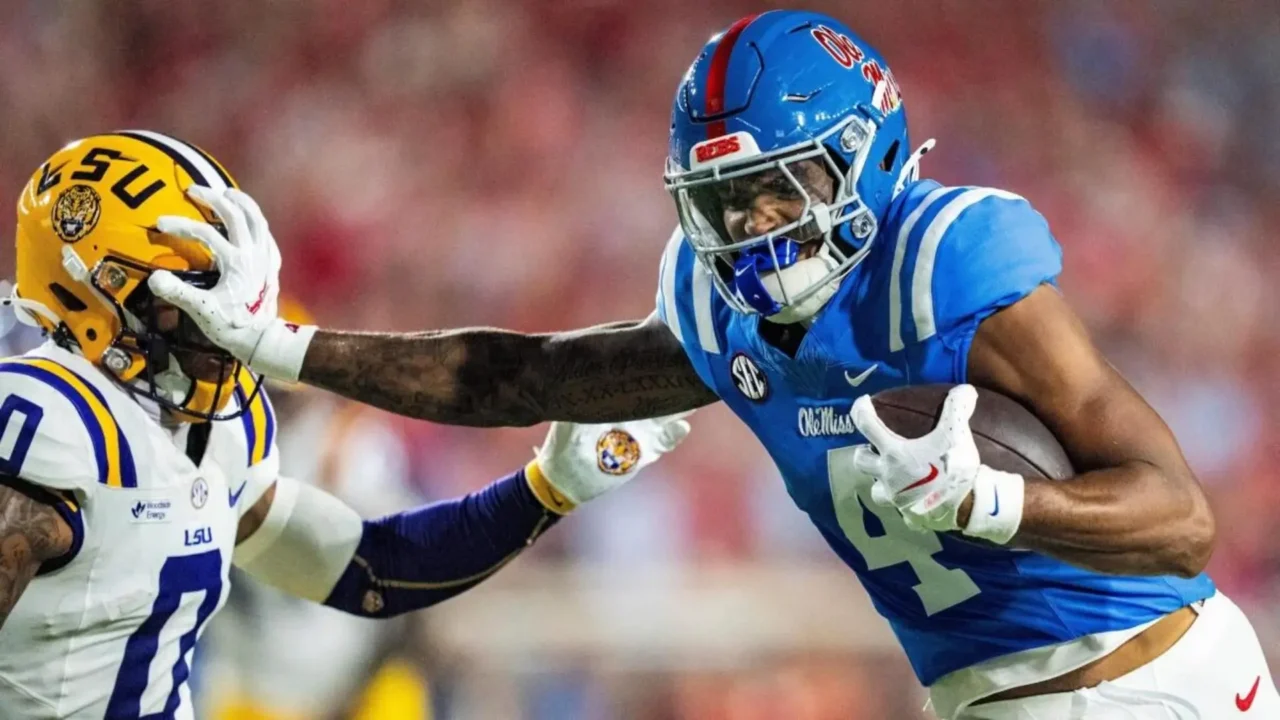
The scene at Vaught-Hemingway Stadium felt like a movie: Oxford packed, the crowd wired and Ole Miss leaving the field with a 32-24 victory in a game that meant far more than three conference points.
As ranked in a piece by CBS Sports, Ole Miss over LSU (2026) sits atop a decade-long list of cathartic rivalry results driven by Lane Kiffin’s return to his former program and the personal stakes that followed.
Key Takeaways
- Ole Miss beat LSU 32-24 in Oxford, handing Lane Kiffin a painful return to his former program.
- The win is ranked the most satisfying college football victory of the past decade in a recent roundup.
- Ole Miss had waited roughly 10 months for Kiffin’s return, and the game carried extra emotional and programmatic weight.
- The result reshapes short-term narratives around Ole Miss’ resilience and the stakes of rivalry games in a realigned SEC.
How Ole Miss over LSU (2026) turned in Oxford
This game hinged on momentum swings and coaching matchups as much as on the final box score.
Ole Miss protected the home sideline, repeatedly forcing LSU to drive into compressed parts of the field late in possessions.
Lane Kiffin faced the program he helped build, and the narrative of a coach returning to a former staff and fanbase framed every key series.
The Rebels answered that storyline by playing with a physicality and discipline that denied LSU easy answers in the red zone.
Postgame reactions captured the relief and satisfaction around Oxford, with staff and campus figures visibly celebrating the significance of the result.
Why this ranks as the decade’s most satisfying win
The ranking leans on two linked axes: revenge narrative and program durability.
Kiffin’s exit to LSU was described in the coverage as an “ugly divorce,” and the Rebels used this meeting to make a firm statement about institutional continuity.
Defeating a recently departed coach while proving a program’s identity can survive leadership turnover elevates the result beyond a normal rivalry win.
Comparatively, other entries on the list delivered catharsis for different reasons, including a final chapter in Bedlam, an upset that derailed a playoff bid, and a late stand in the Apple Cup.
Rivalry comparisons and historical context
| Game | Score & Year | Why it satisfied |
|---|---|---|
| Ole Miss over LSU | 32-24, 2026 | Personal revenge and proof of program continuity after a contentious coaching departure |
| Oklahoma State over Oklahoma | 27-24, 2023 | Last Bedlam meeting before Oklahoma left for the SEC, a final upset in a storied series |
| Michigan over Ohio State | 30-24, 2023 | High-stakes rivalry that also shifted playoff positioning amid off-field controversy |
| Washington State over Washington | 24-19, 2024 | Cougars secured a late goal-line stand in the Apple Cup, delivering dramatic closure in that rivalry |
| LSU over Alabama | 46-41, 2019 | Top-ranked matchup that snapped a multi-year streak and propelled a historic season |
| Tennessee over Alabama | 52-49, 2022 | Game-winning field goal as time expired ended long-standing frustration between the programs |
| Texas over Texas A&M | 17-7, 2024 | Renewal of a dormant rivalry after conference realignment that carried renewed stakes |
SEC and CFP implications for Ole Miss after the LSU win
From a conference perspective, a signature home win of this nature reverberates across recruiting conversations and day-to-day program momentum.
Rivals and recruits watch how a team responds to coaching turnover, and beating LSU in that context strengthens Ole Miss’ message of stability and identity.
In the College Football Playoff era and the 16-team SEC, marquee rivalry results can tilt committee perception and week-to-week narratives.
While one win does not guarantee a playoff berth, it changes the optics for scheduling, resume-building and late-season positioning.
Roster construction benefits too, since confidence from a defining victory helps with depth usage and the development curve for younger players.
Coaches can point to wins like this when asking recruits and current players to buy into a multi-year plan rather than a single-leader identity.