Pete Golding begins his first full season as Ole Miss head coach with eyes on both the SEC crown and College Football Playoff expectations following the Rebels’ 2025 run to the postseason.
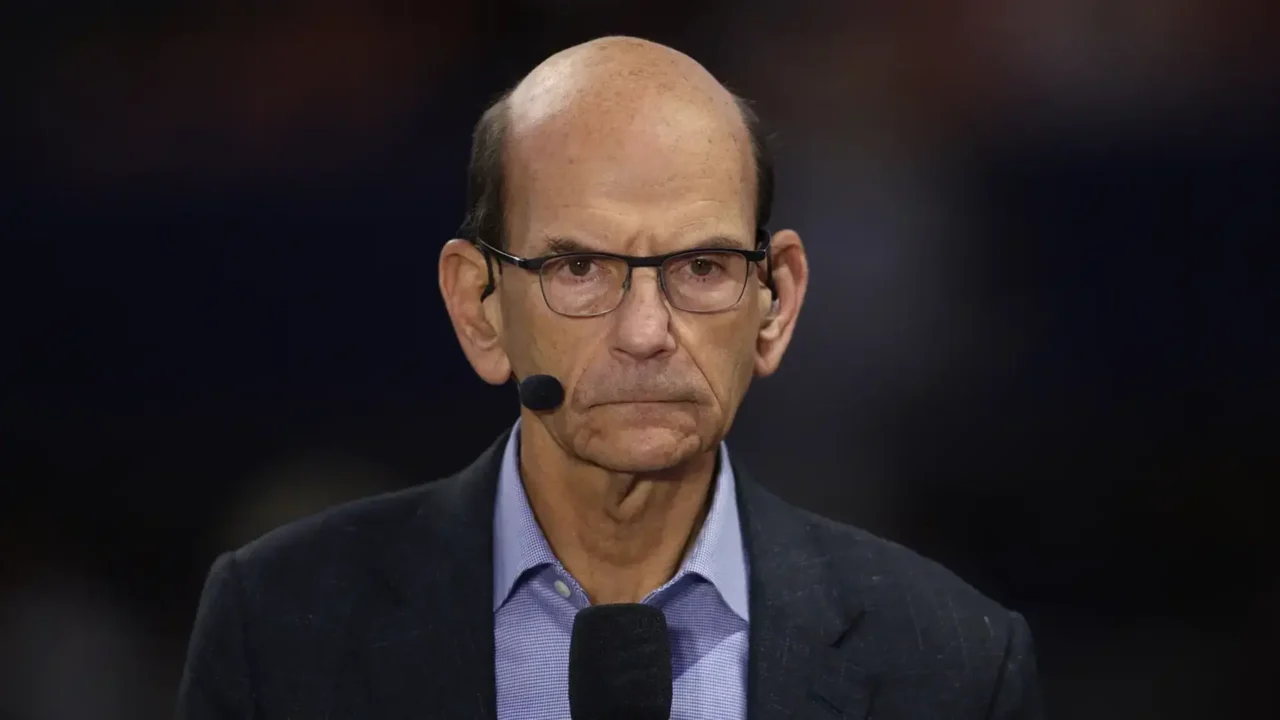
The debate intensified after a caller on the Paul Finebaum Show prompted Finebaum to voice skepticism, saying “You would have to work pretty hard to mess up this team with the talent it has,” and adding doubts about Golding’s ability to replicate last season because “it’s a completely different situation,” as reported by si.com.
Key Takeaways
- Pete Golding is the first-time Ole Miss head coach entering 2026 with expectations shaped by the Rebels’ 2025 College Football Playoff berth.
- The SEC Media Preseason Poll picked Ole Miss to finish third in the conference behind Georgia and Texas.
- Golding has retained his top players while actively supplementing the roster through the transfer portal.
- Trinidad Chambliss and Kewan Lacy project as the offensive centerpiece and clear Heisman candidates for the Rebels.
How Pete Golding rebuilt the Ole Miss defense
Golding’s immediate task was stabilizing a defense that showed big-play vulnerability last season, and he addressed that by retooling the secondary with transfer additions while keeping a core of returning starters in place.
The move to bring in experienced portal players is a pragmatic response to last year’s schematic weaknesses rather than an overhaul of philosophy, and staff believe veteran transfers will speed communication and coverage assignments.
Coaches have prioritized limiting explosive plays and improving run fits in early drills to swing one-possession games in the Rebels’ favor.
Roster health and Heisman cases
Offensively Ole Miss enters 2026 with Trinidad Chambliss and Kewan Lacy listed as focal points for opposing defenses, and their presence gives Golding a reliable one-two punch to sustain drives and finish games.
Having two players with Heisman attention changes how opponents allocate defensive resources and provides room for scheme creativity without manufacturing riskier play calls on early downs.
Depth remains a watch item because high-level seasons hinge on midweek preparation and injury mitigation, but retention of top players plus targeted portal reinforcements aims to preserve continuity.
Schedule and SEC context
| Opponent | Why it matters | Implication for Ole Miss |
|---|---|---|
| Louisville | Early-season litmus test against a physical, well-coached nonconference opponent | A true road check that could reveal how quickly the defense meshes |
| LSU | Traditional rivalry weekend with emotional and hostile environment | How Golding manages game-day preparation and in-state recruiting optics |
| Georgia | Program standard-bearer in the SEC and the preseason No. 1 pick | Results here will shape divisional tiebreakers and College Football Playoff perception |
| Texas | Preseason No. 2 media pick with size and playmakers across the roster | Platform game that could define Ole Miss’ national standing |
| Oklahoma | High-powered offense that forces consistent defensive execution | Measuring stick for secondary cohesion and pressure packages |
What 2026 results mean for SEC standings and recruiting
How Ole Miss navigates the slate of marquee opponents will directly affect its placement inside the SEC and its path to a College Football Playoff berth, with a handful of key weekend results likely determining divisional tiebreak scenarios.
Strong showings in high-visibility games would also amplify the program’s pitch to prospects and validate the work Golding has done in the portal and in assembling the 2027 class, which staff coverage described as impressive.
Recruiting and NIL momentum are interlinked with on-field outcomes, so consistent performance against ranked SEC opponents will matter as much for next cycle’s access as it does for this season’s playoff calculus.