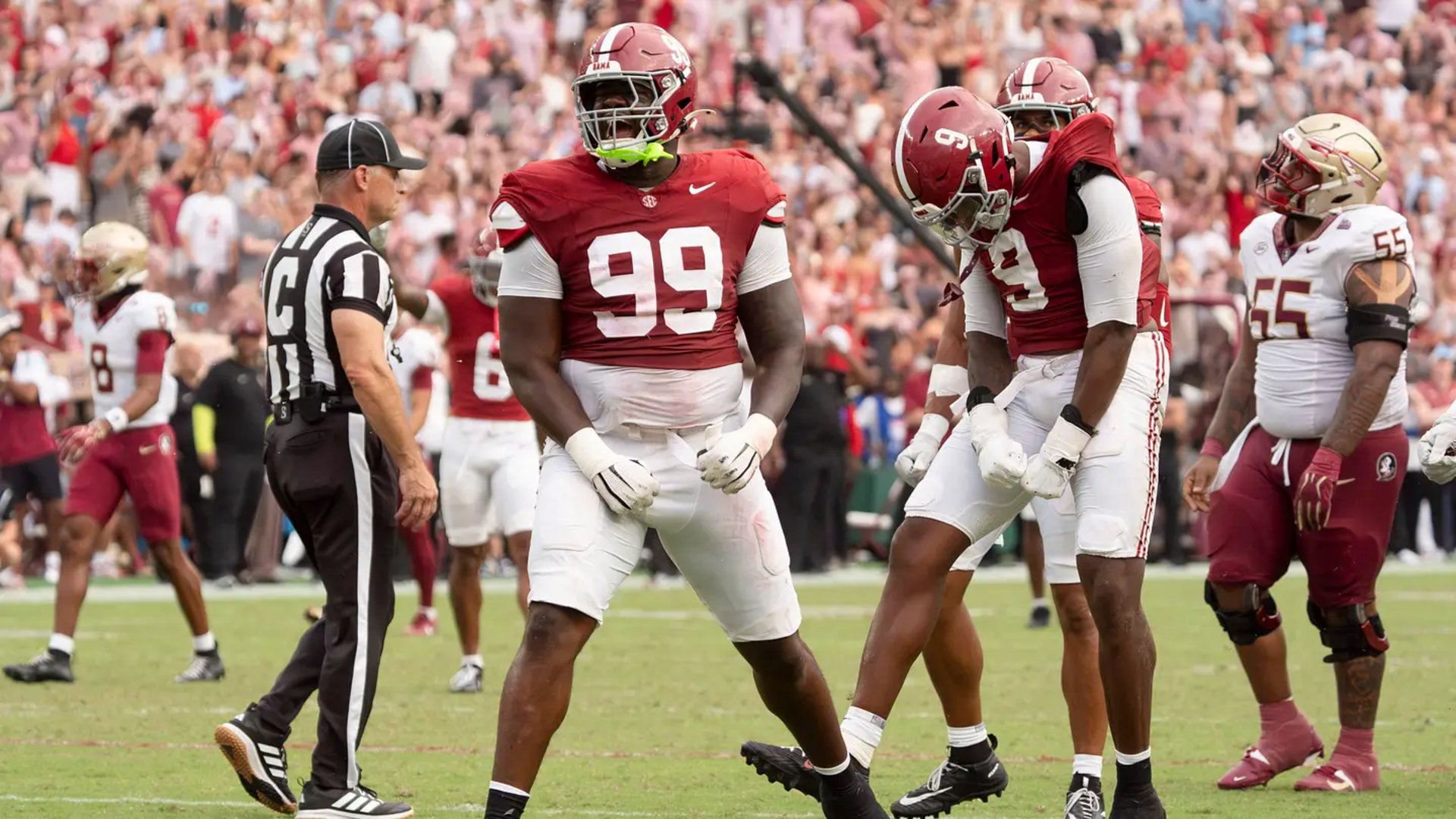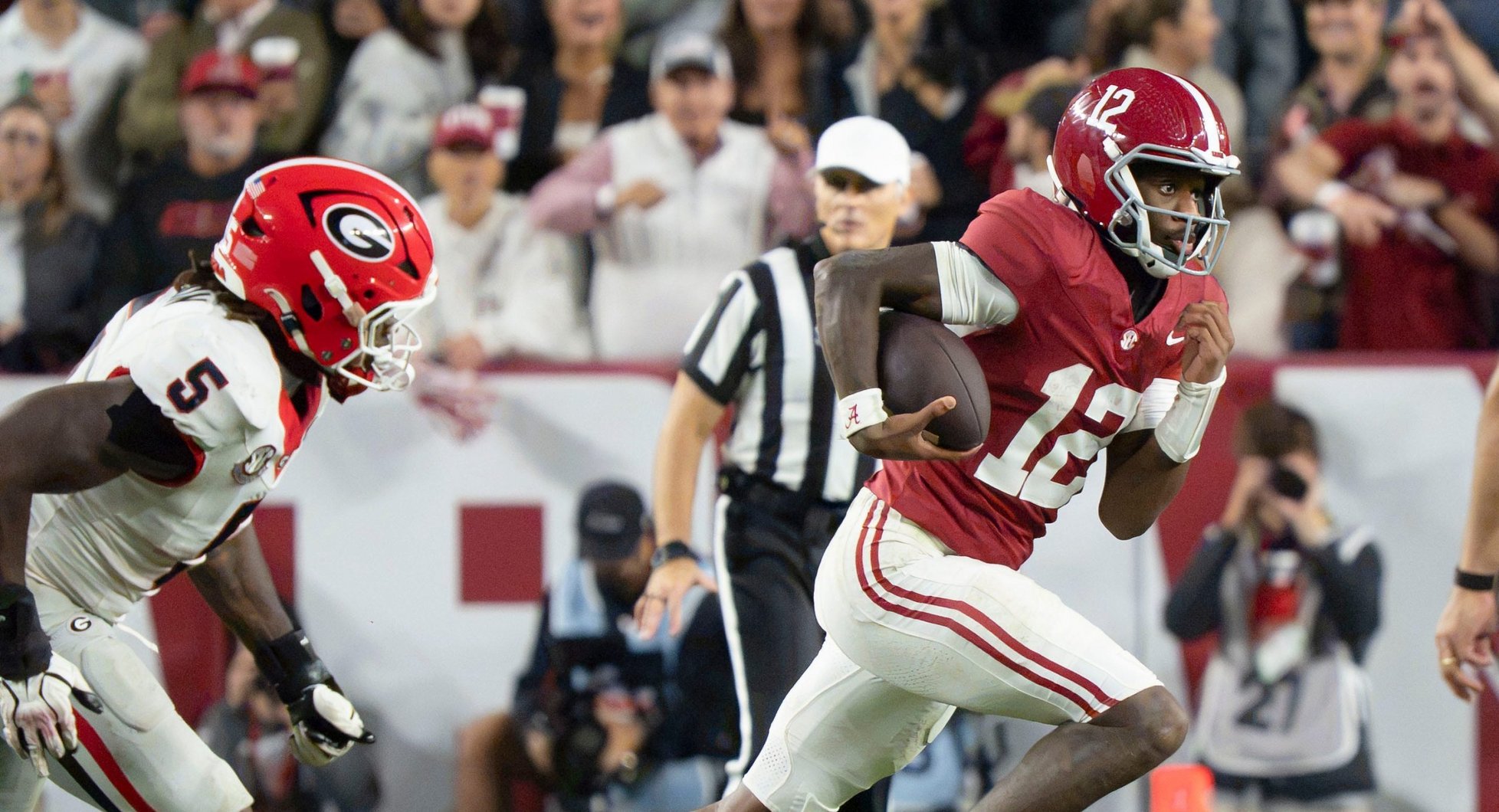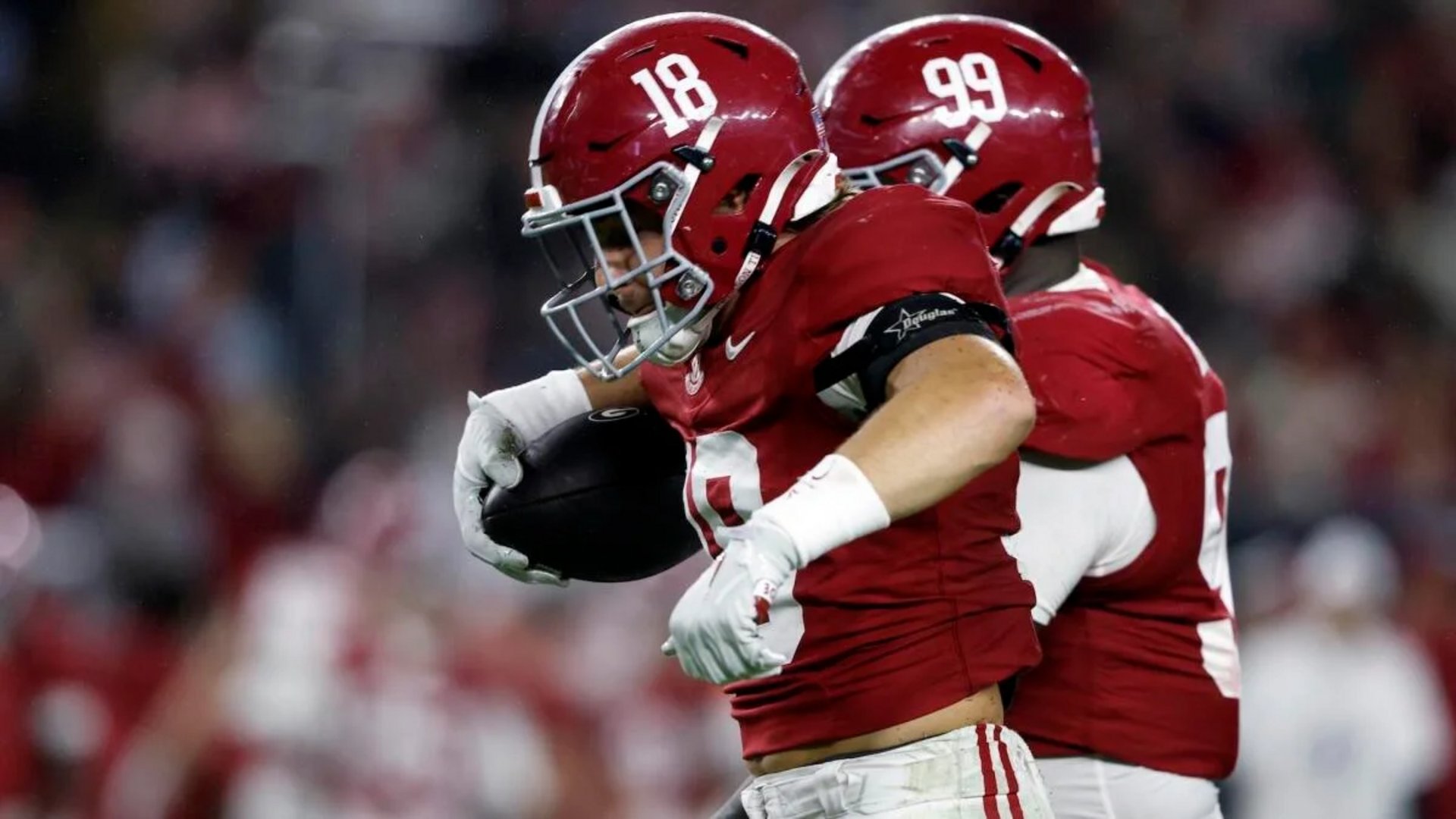
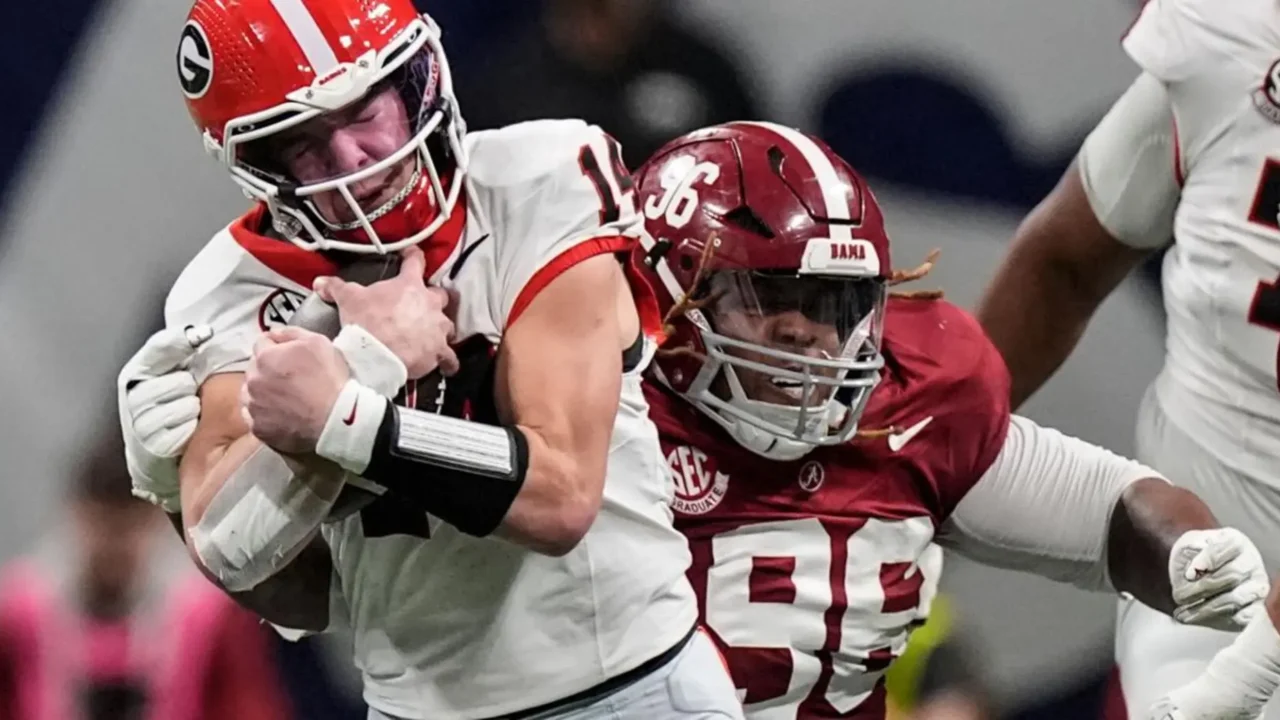
A recent report from High Point Enterprise frames how the SEC championship drought has become an urgency for the league and its marquee programs.
The conference that has claimed a combined 19 national championships since 1990 has not placed a team in the title game since Georgia closed out back-to-back titles following the 2021-22 seasons, and the addition of a ninth conference game adds a new wrinkle to a recovery plan.
Key Takeaways
- The SEC championship drought has stretched three seasons with no participant in the national title game.
- The conference still boasts historical dominance, including a combined 19 national championships since 1990.
- Traditional powers such as Alabama and Georgia face sharper scrutiny from fans and media after recent results.
- The addition of a ninth conference game could complicate schedules and make the path back to the top harder for contenders.
SEC championship drought reshapes scrutiny on Alabama and Georgia
Alabama and Georgia have drawn the bulk of public attention as the drought continued, with both programs examined for roster turnover, depth and on-field results that haven’t translated to recent national-title appearances.
That scrutiny is less about a single failure and more about the cumulative impact of close losses, shifting personnel and increased parity across the league.
When storied programs struggle to reach the CFP title game, recruiting narratives and preseason expectations tighten, placing extra emphasis on every regular-season result.
How the ninth conference game changes schedules
Adding a ninth SEC game increases the logistical and competitive burden on every contender by inserting another intra-conference result that can swing divisional standings.
A ninth game raises the possibility of more late-season matchups between ranked SEC teams, and that means fewer nonconference opportunities to pad records or recover from early setbacks.
For programs chasing the conference back into national-title relevance, one additional league game magnifies the margin for error and elevates each matchup’s importance for College Football Playoff consideration.
Impact on other traditional programs and emerging challengers
The narrative around blame has extended beyond two programs, with names like Auburn, Florida, LSU, Oklahoma, Tennessee and Texas all cited in discussions about why the SEC has slipped from immediate national-title contention.
That broader distribution of responsibility signals increased parity within the conference as teams that once trailed began closing the gap on recruiting, playmaking and game-day execution.
Emerging challengers can make the SEC tougher to navigate for any single program trying to reassert itself as the conference standard-bearer.
Data and historical context
| Context | Verified fact or comparison |
|---|---|
| SEC national championships since 1990 | The conference accounts for a combined 19 national championships in that span. |
| Recent College Football Playoff title-game presence | No SEC team reached the title game since Georgia’s back-to-back championships that closed out the 2021-22 seasons. |
| Scheduling changes | The ninth conference game increases intra-conference matchups, which can intensify divisional races and reduce nonconference recovery opportunities. |
How the drought alters SEC recruiting and College Football Playoff paths
The current championship gap affects recruiting narratives by narrowing the margin for program spin and elevating the importance of immediate on-field results when pitching to prospects, while from a College Football Playoff perspective the conference can no longer rely on reputation alone as selection committees parse schedule strength, head-to-head results and late-season performance amid a deeper slate of intra-conference matchups.
For programs like Alabama and Georgia, and for challengers such as LSU and Texas, the combined pressures of recruiting cycles and an extra conference game create a season environment where every regular-season decision carries outsized consequence for postseason positioning. Reporting in this piece drew from published material and includes content from The Associated Press.