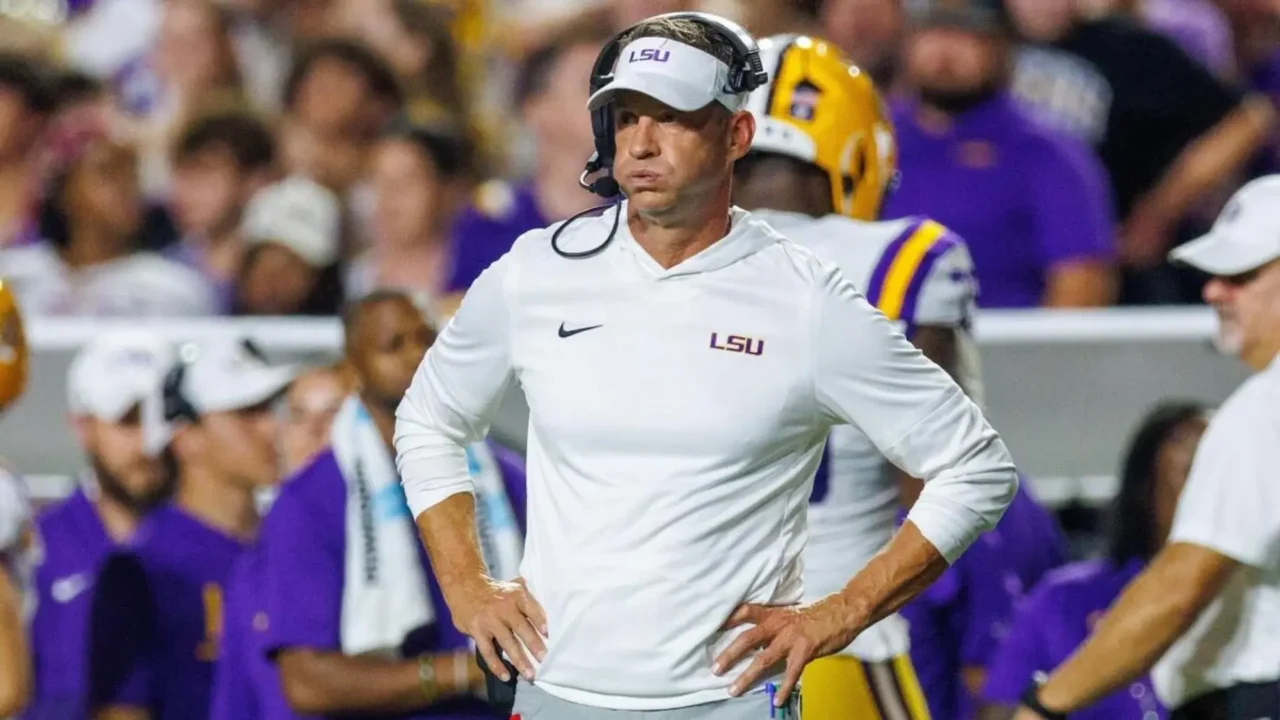
This is not a routine eligibility spat. The SEC vs LSU clash launched by the conference’s updated federal filing puts a core question before a judge about whether a Power Five league can assert direct authority to police membership in the post-NCAA enforcement era.
The fight will play out in a federal courtroom in Alabama and revolves around an SEC rule that bars players who signed NFL, NBA or WNBA contracts from competing in the conference. The league’s membership approved the policy by a 15-0 vote with LSU abstaining, and LSU briefly challenged the rule by targeting specific roster additions, as reported by CBS Sports.
Key Takeaways
- The SEC filed an updated federal court action seeking legal authority that could allow it to expel LSU over the school’s moves around player eligibility.
- The conference’s membership voted 15-0 — with LSU abstaining — to ban players who signed NFL, NBA or WNBA contracts from SEC competition.
- The rule draws a bright line at the act of signing a contract, not at whether a player later made a regular-season roster or appeared in games.
SEC vs LSU legal fight
The SEC’s federal filing frames this as more than a one-off dispute and seeks a legal pathway for the conference to enforce its bylaws when the NCAA’s machinery does not address the issue.
League documents argue that conferences must be able to police member conduct to preserve competitive balance and internal order in the NIL and mass-transfer era.
The key legal question is whether a federal court in Alabama will grant the SEC the authority it seeks to sanction or expel a member who violates conference bylaws.
How the rule draws the eligibility line
The SEC’s new eligibility line is contract-based and disqualifies players who have signed NFL, NBA or WNBA contracts from SEC competition.
That contract standard removes ambiguity about participation in camps or Summer League without a signed deal because the conference’s definition hinges on an executed contract rather than appearances or tryouts.
The membership vote was unanimous among voting schools at 15-0 with LSU abstaining, and LSU signaled it would not attempt to add Dae’Quan Wright and Zxavian Harris to its roster this season while the legal fight proceeds.
Eligibility rule comparison
| Action | Context and example |
|---|---|
| 15-0 conference vote with LSU abstaining | The conference adopted a contract-based ban that disqualifies players who signed NFL, NBA or WNBA contracts from SEC play, creating a clear eligibility threshold. |
| Commissioner affidavit in a related case | Greg Sankey signed an affidavit asking a judge to deny eligibility to a player who had signed an NBA two-way contract, reflecting the league’s prior willingness to litigate eligibility questions. |
| Immediate roster response | LSU signaled it would not pursue two contested roster additions while the legal dispute proceeds, reducing immediate roster movement but leaving wider implications unresolved. |
SEC authority and roster fallout
If a federal court sides with the SEC, the ruling could create a binding precedent that lets the conference expand enforcement measures without relying on the NCAA’s enforcement machinery.
That outcome would reshape how SEC programs weigh roster moves involving players with professional contracts and could influence recruiting conversations and roster construction decisions across the conference.
For LSU specifically, the immediate roster impact was blunted when the Tigers signaled they would not pursue the two contested additions, but the broader stakes remain for every SEC school that tests the edges of eligibility rules.