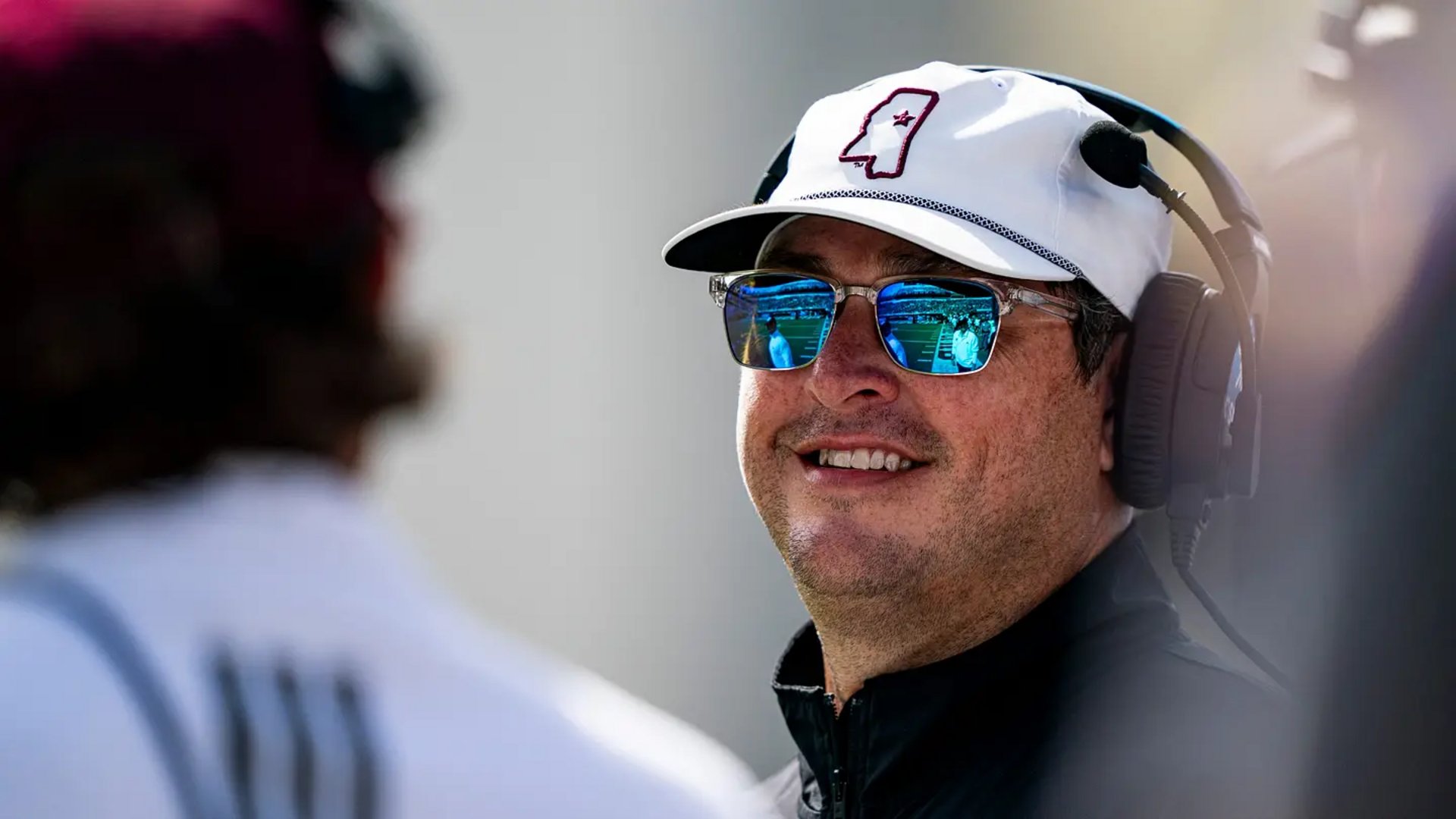
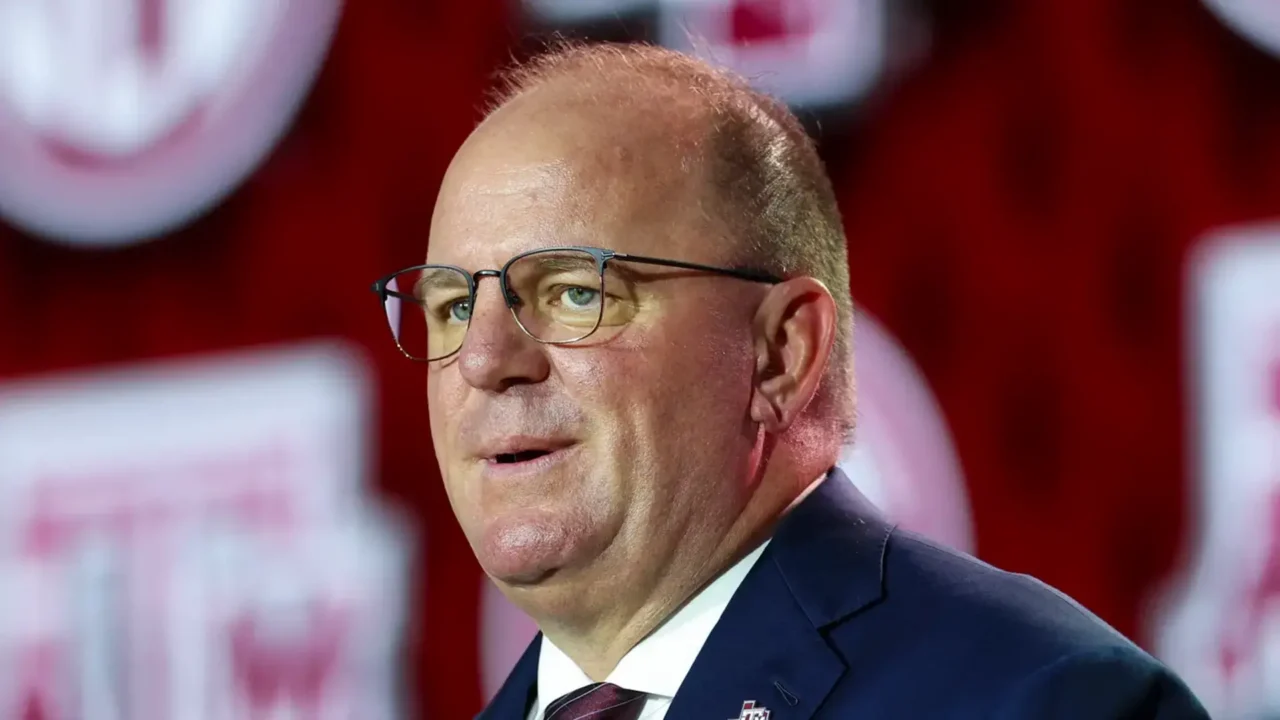
With the opener approaching, Texas A&M‘s special teams picture is sharper than many expected and the punt return room is drawing attention early. As reported by Texas A&M Aggies On SI, head coach Mike Elko listed Mario Craver, Terry Bussey and Isaiah Horton on the depth chart as the candidates most likely to handle punt return duties.
That matters because Elko framed the unit as more than a secondary role, calling the punt return a weapon and stressing the need to replace an explosive specialist from last season. The conversation puts a spotlight on how the Aggies will manage roster minutes and field-position strategy once kickoff arrives.
Key Takeaways
- Mike Elko said “Punt Return Is a Weapon” and listed Mario Craver, Terry Bussey and Isaiah Horton as the primary candidates to field punts.
- Terry Bussey handled primary kick-return duties last season with 18 returns for 421 yards and also recorded seven punt returns for 62 yards while at A&M.
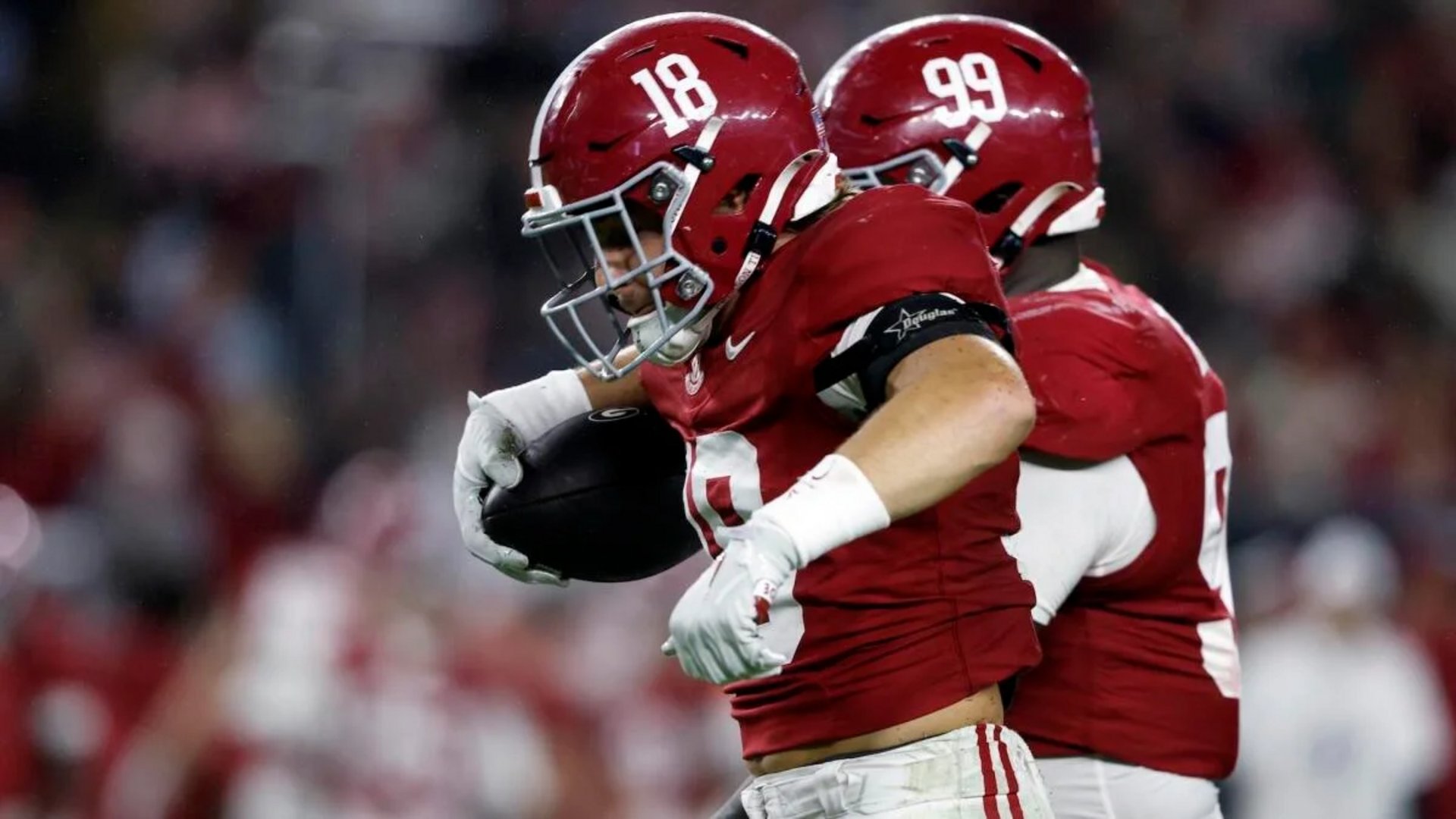
- Elko praised Mario Craver for his screen-game skills and pointed to Isaiah Horton’s return tape from Alabama as evidence of his ability in space.
Why Elko trusts Craver, Bussey and Horton at punt return
Elko’s comments during the SEC teleconference were straightforward: “All three of them have the ability to go back there and catch punts,” and he added that they are “dynamic with their hands.” Those are basic but vital attributes for a clean return game and the coach emphasized hands and playmaking in space as the differentiators.
Bussey carries the clearest track record inside the program; Elko noted that “Terry has shown a lot in the return game since he’s been here,” pointing to his work as the primary kick returner a season ago. Craver’s skill set drew praise in a different vein, with Elko highlighting his effectiveness on screen plays as a transferable trait for creating yards after the catch on returns.
Horton’s inclusion is rooted in outside film study rather than in-season A&M reps because Elko referenced “a kid on film who shows that he has the ability,” speaking to Horton’s tape from Alabama. The trio represents three distinct paths to production: in-program experience, quick-hitting screen instincts and demonstrable film traits from previous competition.
Special teams roles and reps ahead of kickoff
Coaching staffs typically separate kick return and punt return work in practice and the Aggies look set to do the same. Elko’s remarks separated the roles in practice planning by recognizing Bussey’s recent kick-return workload while pointing to multiple candidates for punts.
Replacing KC Concepcion’s influence is part of the discussion; Elko acknowledged the challenge of following a player who turned the position into a scoring threat. Expect situational usage early in the season and a competition that could include rotations until a clear weekly option emerges.
Return production and roster context
| Player | Role and context | Notable facts from prior season or film |
|---|---|---|
| Terry Bussey | Primary kick returner; listed as a punt return candidate | Last season he returned 18 kicks for 421 yards and recorded seven punts for 62 yards, showing experience in the return game. |
| KC Concepcion | Departed primary return threat | Returned 25 kicks for 456 yards and two touchdowns before entering the NFL; his absence leaves a playmaking gap. |
| Mario Craver & Isaiah Horton | Listed as punt return candidates; complementary skill sets | Craver is noted for screen-game instincts at A&M while Horton brings return tape from his time at Alabama, both offering different avenues to create in space. |
What the punt return room means for SEC standing and roster construction
Field position swings from a dependable punt returner can alter game scripts inside the SEC more than raw offensive numbers suggest, especially in close conference contests where a short field matters. Texas A&M’s approach to the position — emphasizing hands, quickness and screen-game instincts — reflects a roster construction choice that prizes multi-role players who can contribute in offense and special teams.
On the recruiting trail, having visible opportunities at a high-impact special-teams role helps sell prospects who project as return specialists or multifunctional receivers. From a roster-building perspective, the staff’s willingness to test multiple candidates preserves depth while searching for a weekly advantage in starting field position and turnover opportunities.
The program is replacing a first-round draftee in the return game, and while replacements rarely replicate that exact production immediately, the competition between Craver, Bussey and Horton gives A&M a clearer path to finding the next reliable option. Reporting and context provided by Aaron Raley.