
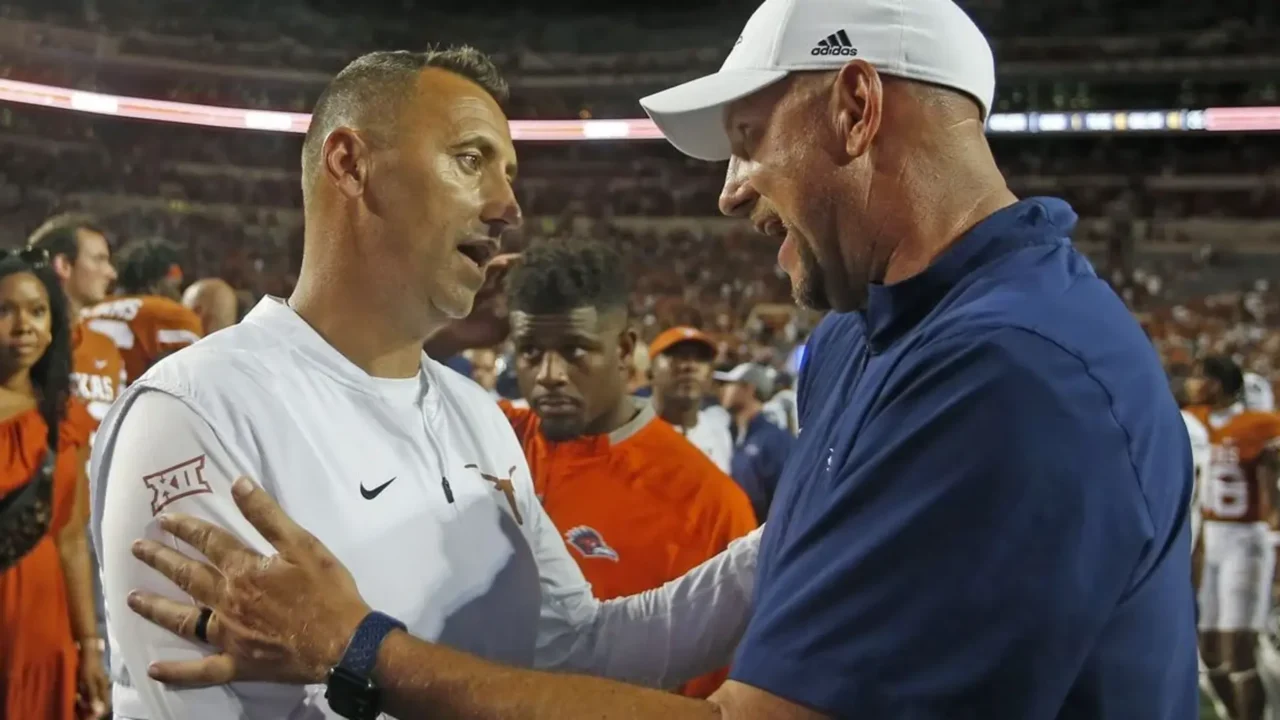
The national label on Texas football has weight beyond a single box score, and Saturday’s matchup with UTSA presents a window into how the program handles heightened expectations. The Longhorns will have to balance polish with physicality while guarding against the subtle pitfalls that come with being the team everyone targets.
Our look at the game leans on the recent preview from 247sports.com and focuses on matchup themes, coaching approach, roster construction, and the broader SEC and College Football Playoff implications. This is a short, practical guide for what to watch on game day and why it matters beyond the box score.
Key Takeaways
- Texas football carries the nation’s No. 1 label into Saturday’s matchup and must manage expectation-driven pressures on and off the field.
- Expect the Longhorns to emphasize depth, situational rotations, and a controlled game script to limit surprises against UTSA.
- A strong performance would reinforce Texas’ standing nationally and create tangible momentum for SEC positioning and CFP perception.
How Texas football will handle No. 1 expectations
The first responsibility for any program wearing the No. 1 tag is to keep the week routine, and that applies to practice cadence, game-planning windows, and media management. Maintaining a familiar preparation rhythm reduces room for distraction and helps players focus on assignment football.
On game day, the coaching staff will likely prioritize a controlled script early to avoid self-inflicted mistakes that fuel momentum shifts. Short fields, early third-down success, and clean special teams play are practical ways to protect a lead and manage the clock without needing heroics.
Depth becomes a strategic asset when expectations are high. Rotations along the lines and at skill positions help keep players fresh and limit the effect of any single miscue. Using depth also lets the staff respond to in-game matchups without having to press players into non-ideal roles.
Matchup preparation should center on identifying tendencies and neutralizing advantages rather than chasing highlight plays. That means disciplined tackling, gap integrity on defense, and rushing-to-structure on offense when a lead exists. Consistent execution in these phases will be the clearest indicator of whether the Longhorns are handling the No.
1 label well.
Game-management decisions will matter in low-leverage moments just as much as in high-leverage ones. Conservative risks in unfavorable field position and selective aggression in opponent third-and-long scenarios limit the variance that can produce an upset. The staff’s willingness to lean on established protocols can tamp down the noise around rankings.
Finally, posture and messaging matter. Players who approach Tuesday through Thursday like any other week tend to mirror that focus on Saturdays. That organizational calm can be the difference between a dominant performance and a tight, error-prone game.
UTSA vs Texas context and comparison
| Topic | Texas | UTSA |
|---|---|---|
| Current framing | Framed as the nation’s No. 1 team in recent previews | Presented as the Saturday opponent that will test Texas’ response to expectations |
| Game narrative | Under pressure to sustain performance and avoid avoidable errors | Cast as the opponent that requires disciplined game planning and matchup focus |
| What to watch | Depth usage, situational play-calling, and limit of turnovers | Ability to force variance and capitalize on short-field opportunities |
The table above is intentionally qualitative because current public reporting emphasizes framing and matchup themes rather than granular statistics. The useful comparisons are about narrative momentum and how each side shapes the contest through coaching choices and execution.
Longhorns SEC and CFP implications
A clean result on Saturday would reinforce Texas football’s positioning as a national contender and provide the committee with another data point about the program’s consistency against non-conference opponents. Results against quality opposition shape perception in ways that extend into late-season seeding conversations.
Within the SEC ecosystem, maintaining a No. 1-level standard in early-season non-conference games helps the Longhorns with recruiting momentum and messaging to the fanbase and donor community. Sustained performance also reduces margin-for-error in conference play when opponents target the program.
While a single game is not determinative for the College Football Playoff, consistent execution under the spotlight moves the needle in a crowded field. Managing expectations, protecting ranking status, and limiting the type of mistakes that invite narrative doubt will be central to Texas’ ongoing playoff argument.