Missouri Tigers coaching conversations: contracts, community, and legacy
The Missouri Tigers sit at the center of a coaching conversation that feels both strategic and sentimental. Because leadership moves trigger ripple effects, fans and alumni are watching salary numbers and staff decisions closely. However, the chatter is more than arithmetic; it carries memory of comeback wins and signature plays.
Key contract and payroll facts are sharp and revealing:
- 2026-27 staff pay stands at $2.2 million, based on UM System schedules.
- 2025-26 staff pay totaled $1.4 million, and 2024-25 was $1.9 million.
- Current year head salary is about $685,000, while Steve Wright earns roughly $100,000 less than Rob Summers.
Community reaction has been loud and layered. Alumni, donors, and coaches sent supportive messages after hires, which signaled deep local buy-in. At the same time, critics probe budgets and ask whether reserves match expectations. As a result, coaching moves here read like budget reports and love letters to Faurot Field. This piece blends that analysis with the nostalgia that fuels every Mizzou coaching debate.

Missouri Tigers coaching contracts: numbers and trends
Contracts shape hiring and retention. Because the Missouri Tigers operate in the SEC, every salary change matters. UM System schedules provide transparency, and they show a deliberate increase in staff compensation. However, the increases are uneven, which fuels debate about priorities and resource allocation.
Missouri Tigers staff pay evolution, 2024 to 2027
Key figures at a glance:
- 2026-27 total staff pay: $2.2 million, based on UM System salary schedules.
- 2025-26 total staff pay: $1.4 million.
- 2024-25 total staff pay: $1.9 million.
- Current year head salary: about $685,000.
- Comparative detail: Steve Wright earns roughly $100,000 less than Rob Summers.
Year over year, the program shows a net increase from 2025-26 to 2026-27. As a result, staffing flexibility improves. However, the earlier 2024-25 spike suggests short-term fluctuations. Those swings likely reflect hires, buyouts, and role adjustments.
From a budgeting perspective, higher pay can help retain coordinators and recruiters. Consequently, Missouri can better compete for assistant coaches and support staff. At the same time, critics rightly ask whether coaching contracts align with long-term financial plans. Therefore administrators must balance competitive wages, salary schedules, and the broader athletic budget.
In practical terms, these numbers affect recruiting and on-field continuity. For example, stronger pay pools make it easier to match offers from Power Five programs. Meanwhile, alumni scrutiny and donor expectations will shape future contract talks. Overall, coaching contracts here read as fiscal strategy and program investment, not just payroll lines.
Missouri Tigers salary comparison table
Below is a clear table comparing staff pay across fiscal years. Data comes from UM System salary schedules.
| Fiscal Year | Total Staff Pay | Notable individual salaries and notes |
|---|---|---|
| 2024-25 | $1,900,000 | Baseline staffing year; head salary not listed |
| 2025-26 | $1,400,000 | Staffing dip likely due to turnover, role changes, and timing adjustments |
| 2026-27 | $2,200,000 | Current year head salary approximately $685,000; Steve Wright earns about $100,000 less than Rob Summers; increase reflects hires and contract renewals |
This table clarifies trend lines and context for year to year movement.
Missouri Tigers community reaction and player highlights
The Missouri Tigers fan base reacted to coaching contracts with both pride and scrutiny. Because many alumni see payroll as investment, donors voiced support for competitive wages. However, others asked for more transparency about long term budgets. As a result, public sentiment blended optimism and caution.
Key community reactions
- Alumni and donors sent quick, supportive messages after hires, signaling strong buy in.
- Coaches, former players, and local boosters praised continuity, because continuity aids recruiting and culture.
- Critics asked whether salaries match long term financial plans, and they pushed for clearer reporting.
- Attendance and engagement at Faurot Field rose after marquee wins, therefore local revenue streams strengthened.
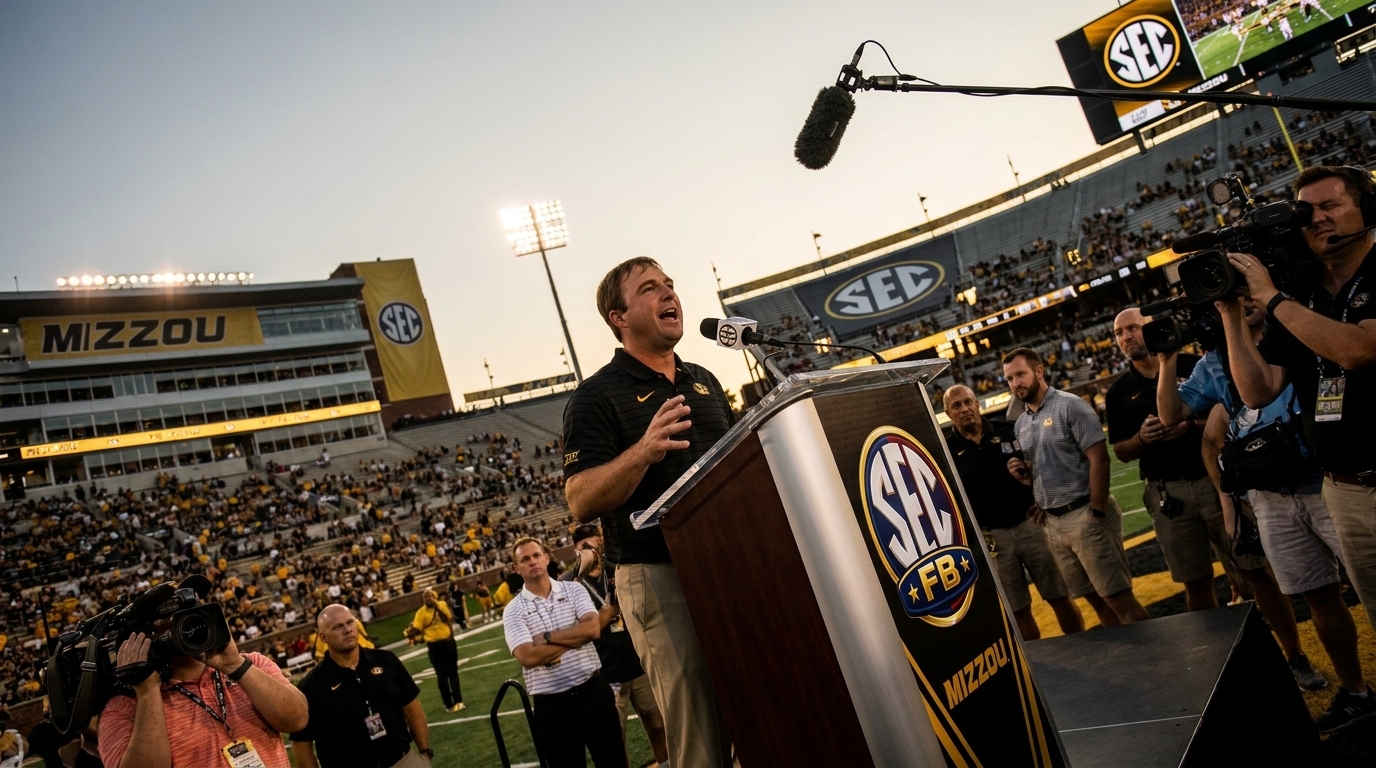
A voice from within captured that mixture of feeling. “We have everything we need here to be successful at the highest level. We have a community, we have leadership, we have facilities, we have resources, and more than anything, we have the right people,” the statement read. It resonated widely, and it drove donor confidence.
Player highlights that fueled support
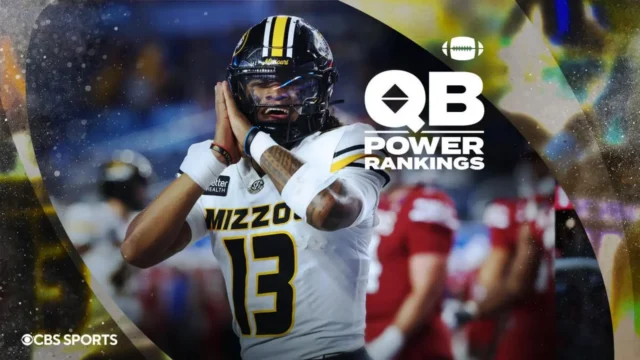
- Brady Cook rolled his ankle during the Homecoming game against Auburn in October 2024. Despite the injury, he led a comeback, and fans celebrated his toughness.
- Laurin Krings delivered a 1-0, nine inning shutout versus Omaha on May 19, 2024. She struck out 15 batters, which energized the baseball community.
- Mizzou baseball upset Ole Miss 10-8 in the SEC Tournament. That result marked the program’s first SEC Tournament win since 2017, and it boosted local pride.
- Special teams moments such as Harrison Mevis’ 61 yard field goal added to the lore and reminded fans of big game potential.
Because community passion connects directly to staffing choices, the reaction matters beyond noise. Supporters fundraise, recruit, and attend games. Therefore administrators watch both budgets and sentiment closely. In short, contract debates here remain fiscal discussions and communal celebrations at once.
Missouri Tigers: closing thoughts
Missouri Tigers coaching contracts and staff pay changes matter for more than spreadsheets. Over three seasons, UM System schedules show rising investment in coaching. As a result, the 2026-27 staff pay of $2.2 million signals renewed commitment. At the same time, the head salary near $685,000 and comparative gaps between assistants illustrate tough tradeoffs.
Community support amplified those moves. Alumni and donors responded with enthusiasm, and local boosters increased engagement. Because facilities, leadership, and steady fundraising underpin recruitment, community backing directly affects on-field continuity. Meanwhile, fans celebrated signature moments like Brady Cook’s comeback and Laurin Krings’ dominant outing. Those achievements reinforced donor confidence and public patience during contract negotiations.
Looking ahead, leadership must balance competitive wages, transparent budgets, and long-term stability. Therefore administrators should keep reporting clear and work with supporters to align expectations. In short, coaching contracts at Mizzou read as fiscal strategy and communal investment.
For ongoing coverage and deeper context on Missouri Tigers coaching news, consult SECFB LLC at https://secfb.com. Also follow their reporting and commentary on Twitter/X at https://x.com/ZachGatsby for timely updates and perspective.
Frequently Asked Questions (FAQs)
What are the main coaching contract numbers for the Missouri Tigers?
Key figures are clear and public. 2026 27 total staff pay is $2.2 million. 2025 26 total staff pay was $1.4 million. 2024 25 totaled $1.9 million. The current year head salary sits near $685,000. Steve Wright earns roughly $100,000 less than Rob Summers. These numbers come from UM System salary schedules, and they frame contract and hiring discussions.
Why did staff pay fluctuate between fiscal years?
Several causes explain year to year swings. Hires, buyouts, and role changes drove much of the movement. Also, budget timing and one off payments affected totals. Because of those items, a single year can look higher or lower.
How did the community respond to contract moves?
Reaction mixed pride and scrutiny. Alumni and donors sent supportive messages, and boosters increased engagement. However, critics asked for clearer long term reporting. One statement captured both optimism and unity: “We have everything we need here to be successful at the highest level. We have a community, we have leadership, we have facilities, we have resources, and more than anything, we have the right people.”
Will higher staff pay affect recruiting and retention?
Yes, higher pay helps retain coordinators and recruiters. As a result, Missouri can better match Power Five offers. Therefore continuity on staff can improve on field results and recruiting outcomes.
Which player moments reinforced community support?
Several highlights energized fans. Brady Cook’s homecoming comeback showed grit. Laurin Krings threw a nine inning 1 0 shutout with 15 strikeouts. Mizzou’s 10 8 upset of Ole Miss in the SEC Tournament also boosted local pride. Those moments helped justify investment in staff and facilities.