What will Lane Kiffin LSU Ole Miss return change?
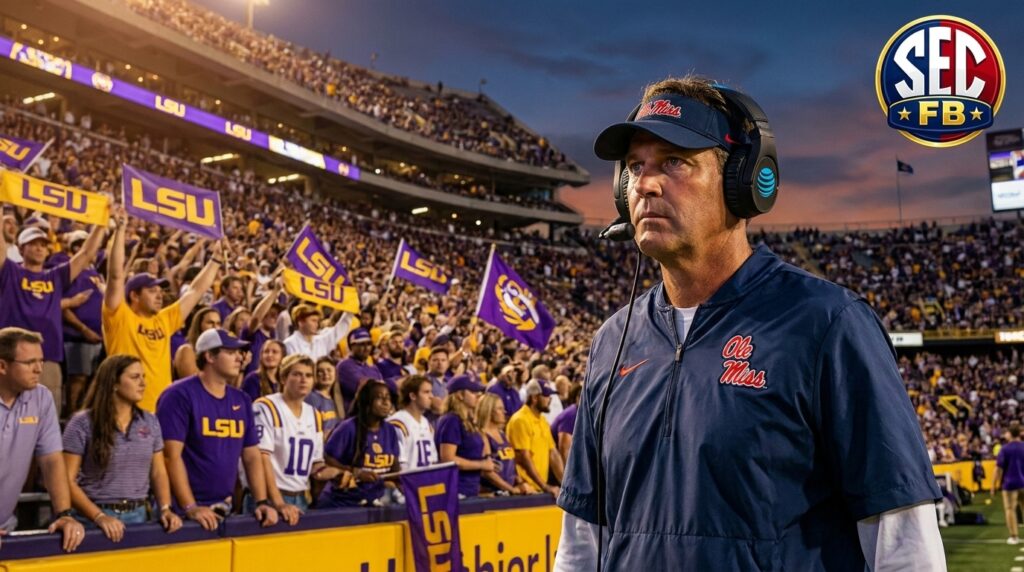
Lane Kiffin LSU Ole Miss return shakes up the SEC landscape
Lane Kiffin’s move from Ole Miss to LSU defined the offseason and rewrote narratives across the SEC. Because he left Oxford six months ago, the Tigers and Rebels now face fresh recruiting and coaching questions. The timing matters because Ole Miss promoted Pete Golding and still reached the College Football Playoff semifinals.
Kiffin’s Week 3 return to Oxford adds drama, and it will test loyalties among fans. Meanwhile, LSU gains a coach who cited the program’s positives when deciding between offers. As a result, recruiting battles will intensify in Mississippi and Louisiana.
The move also forces rivals to reassess strategies and expectations for 2026. Moreover, Kiffin’s Vanity Fair remarks about recruiting and race relations continue to shadow the narrative. However, both programs retain talent and ambition, and the season promises high stakes.
This article examines what the Lane Kiffin LSU Ole Miss return means for coaching and recruiting. It also explores the future of both programs.
Lane Kiffin LSU Ole Miss return: Ole Miss tenure in review
Lane Kiffin arrived in Oxford with big expectations and left six years later with a mixed but significant legacy. During his tenure he rebuilt Ole Miss into a national contender. The Rebels reached new heights in recruiting and on-field results. In fact, Ole Miss reached the College Football Playoff semifinals this season, beating Tulane and Georgia before falling to Miami. Because he helped build that roster, his fingerprints remain across the program. However, his time in Oxford also featured controversy. Vanity Fair cited Kiffin’s comments about recruiting and race relations, which added a public relations burden for the school. Kiffin addressed complexities when he said, “You can have had a wonderful experience and everything you said about those six years where you needed Oxford and Ole Miss more than they needed you. And that can totally be true.” His words underline the complicated bond between coach and community.
Lane Kiffin LSU Ole Miss return: Leaving for LSU and immediate fallout
Kiffin left Ole Miss for LSU six months ago, and the decision reshaped the SEC coaching map. He told reporters the choice came after “lots of conversations” and “different options,” and called it the “next chapter.” He also framed the move as being “more about LSU’s positives than Florida’s negatives.” As a result, Ole Miss promoted defensive coordinator Pete Golding to head coach, and Golding steadied the program. Meanwhile, LSU set a high bar for the season with an opener against Clemson. Kiffin’s Week 3 trip back to Oxford will be against Tennessee, which adds drama to his return.
The departure produced immediate recruiting and cultural reverberations. SEC commissioner Greg Sankey stressed expectations and care after public criticism toward Ole Miss. Moreover, Vanity Fair’s reporting on race and recruiting continued to shadow Kiffin’s narrative, and critics used those reports to question messaging and leadership. Yet the Rebels kept momentum, and they still field a talented roster. Therefore, the Kiffin-to-LSU move matters on three fronts: coaching continuity, recruiting battles, and the public conversation about culture in college football.

How Kiffin’s comments and LSU’s positioning shift SEC dynamics
Lane Kiffin’s public remarks about Ole Miss recruiting and race relations carry strategic weight. Because his Vanity Fair comments drew national attention, they forced programs and media to reframe conversations about culture. As a result, coaches and athletic directors must consider message discipline and optics when pursuing recruits and building staff. SEC commissioner Greg Sankey highlighted expectations and care when speaking with coaches at the league meetings. His intervention underscored that public commentary can escalate into league-level scrutiny.
Kiffin’s choice of LSU over Florida signals priorities beyond money and prestige. He described the decision as involving “lots of conversations” and “different options,” and he said it was “more about LSU’s positives than Florida’s negatives.” Therefore, LSU’s pitch appears to have emphasized infrastructure and long-term momentum. That positioning matters because LSU opens the season against Clemson, a game that sets national tone and recruiting impressions. For more on that matchup see LSU vs. Clemson 2026 Season Opener.
Meanwhile, Kiffin’s Week 3 return to Oxford complicates the narrative. The trip will occur when LSU faces Tennessee in Oxford, and it will test fan loyalties and emotional energy. Although Ole Miss promoted Pete Golding, the Rebels remain defined in part by Kiffin’s recruiting groundwork. Consequently, recruiting battles now carry personal subplots as well as programmatic stakes. For context on LSU and Ole Miss dynamics after spring practices, review LSU and Ole Miss Post Spring.
Culturally, Vanity Fair’s reporting on race and recruiting amplified questions about leadership and accountability. Critics argued that comments about recruiting and race relations required clearer responses from both the coach and his former employer. Greg Sankey’s emphasis on “expectations and care” reflects that sentiment. Because public trust affects recruiting pipelines, programs must pair on-field success with credible outreach and community engagement.
Strategically, LSU can leverage Kiffin’s profile to accelerate recruiting momentum. If the Tigers convert early wins and show cohesion, recruits may follow quickly. Conversely, any lingering controversy could cost subtle market share in key Mississippi and Louisiana recruiting counties. For analysis of LSU’s recruiting potential and fan engagement, see LSU Tigers Sports Updates.
In short, Kiffin’s comments and his move to LSU create ripple effects. They influence recruiting narratives, league oversight, and how fans interpret coaching loyalty. Therefore, the upcoming games against Clemson and Tennessee will matter far beyond wins and losses.
Comparative season snapshot: Ole Miss vs LSU
| Metric | Ole Miss Rebels | LSU Tigers |
|---|---|---|
| Coaching staff changes | Pete Golding promoted to head coach after Lane Kiffin left six months ago. | Lane Kiffin hired six months ago; new staff building around his system. |
| College Football Playoff | Reached CFP semifinals; beat Tulane and Georgia; lost to Miami. | No CFP semifinal appearance noted in recent facts. |
| Key wins | Tulane, Georgia (CFP run) | Not specified; season highlighted by opener vs Clemson. |
| Key losses | Semifinal loss to Miami | Not specified in provided facts |
| Recruiting notes | Kiffin helped lift recruiting; Vanity Fair reporting sparked questions about recruiting and race relations. | Kiffin cited LSU’s positives when choosing the job; program aims to convert momentum into recruiting gains. |
| Controversies and cultural issues | Vanity Fair coverage and public criticism led to SEC meetings and comment from Greg Sankey about expectations and care. | Kiffin’s comments carry over; LSU must manage optics while pursuing recruits. |
| 2026 key matchups | Campus will host heightened attention during Kiffin’s Week 3 return to Oxford with LSU facing Tennessee in town. | Season opener against Clemson sets national tone; Week 3 in Oxford vs Tennessee marks Kiffin’s return. |
| Competitive outlook | Strong roster and playoff momentum under Golding but sensitive to messaging and culture issues. | High expectations under Kiffin with recruiting upside and significant early tests. |
CONCLUSION
Lane Kiffin’s move from Ole Miss to LSU reshaped the SEC narrative and changed immediate priorities for both programs. Because he left Oxford six months ago, recruiting maps and coaching storylines shifted quickly. Ole Miss responded by promoting Pete Golding and still reached the College Football Playoff semifinals. Meanwhile, LSU leveraged Kiffin’s profile and scheduled a marquee opener against Clemson to set a national tone.
Kiffin’s public comments about recruiting and race relations provoked league-level attention. As a result, SEC commissioner Greg Sankey emphasized expectations and care at the conference meetings. That scrutiny reminds programs that culture matters as much as wins. Therefore, the Week 3 return to Oxford will be more than a game. It will test narratives, fan loyalty, and recruiting momentum for both teams.
SECFB LLC offers informed coverage on these developments and on broader SEC strategy. For more from SECFB LLC visit SECFB LLC and follow updates on Twitter at Zach Gatsby. Informed observers will watch the early-season tests closely, because the outcomes will echo across recruiting and conference balance.
Frequently Asked Questions (FAQs)
What prompted Lane Kiffin’s move from Ole Miss to LSU?
Kiffin described “lots of conversations” and multiple options before choosing LSU. He said the decision reflected “more about LSU’s positives than Florida’s negatives.” The move happened six months ago and Kiffin framed it as the “next chapter.” As a result, LSU gained a high-profile coach with recruiting credibility.
How did Kiffin’s recruiting and race relations comments affect Ole Miss?
Vanity Fair’s reporting amplified concerns about recruiting and race relations. Consequently, public criticism drew attention at SEC meetings. Greg Sankey urged expectations and care when speaking with coaches. However, Ole Miss promoted Pete Golding and still reached the College Football Playoff semifinals.
Why does Kiffin’s Week 3 return to Oxford matter?
The Week 3 game occurs when LSU visits Oxford to face Tennessee. It will test fan loyalty and recruiting ties in Mississippi. Because Kiffin built much of Ole Miss’s roster, the return carries emotional and practical recruiting stakes.
How important is LSU’s season opener against Clemson?
The opener sets a national tone and affects recruiting momentum. If LSU wins early, recruiters can use momentum to sign prospects. Conversely, poor results could slow recruiting gains and raise questions about coaching fit.
What should fans and recruits watch for in 2026?
Watch coaching stability, messaging, and on-field results. Also monitor leadership responses to cultural issues and recruiting outreach. Early tests against Clemson and the Oxford trip will reveal momentum and program direction.