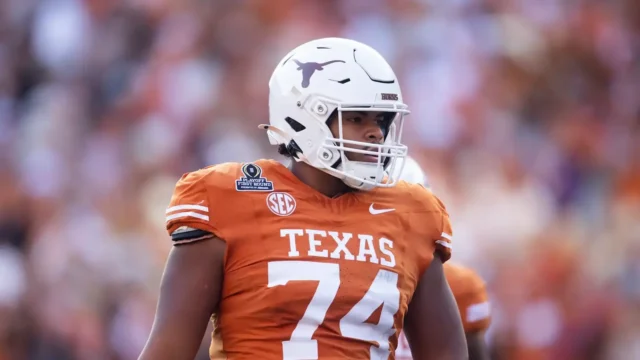
Sportspyder reported on July 13, 2026, that Arch Manning has lost $4.3 million in estimated NIL value since his 2025 peak. The figure is striking because it follows a winning debut season in Austin with the Texas Longhorns and suggests a rapid reassessment by some market participants.
Methodology caveat: sportspyder.com did not publish a full methodology with the July 13, 2026 story. Treat the $4.3 million number as a reported estimate and a market signal rather than a definitive audit of contracts or signed deals.
Arch Manning and the NIL value shift
The reported $4.3M decline is the central claim. Sportspyder framed the change as a market reassessment rather than the result of an off-field scandal or eligibility issue. That framing matters: it points analysts toward shifts in brand appetite and valuation models, not disciplinary action or confirmed terminations.
Read alongside Manning’s winning debut season in Austin, the number highlights how quickly expectations built during recruitment and early coverage can be re-priced once actual season-level data and engagement metrics are available. Even athletes who deliver winning results can see headline valuations trimmed if measured marketing indicators—audience growth, engagement rates, and sustained national visibility—don’t match prior assumptions.
How that NIL figure should be read
Because sportspyder.com did not disclose inputs behind the $4.3M estimate, the figure should be read as an analyst snapshot. Different valuation methods can produce materially different results: some models emphasize social reach and projected endorsements, others attempt to model likely contract values or pipeline probability.
Without a published method, we cannot confirm whether the decline represents lost signed deals, reduced projected earnings, changes in third-party model assumptions, or a combination. That uncertainty limits how precisely teams, agents, or fans should interpret the number beyond its value as a market signal.
Why NIL brands pulled back
There are several plausible, non-exclusive reasons brands might reduce a player’s market value after an initial peak. First, expectation versus outcome: Manning’s arrival in Austin carried intense attention and high forecasts. If some engagement or visibility metrics underperformed relative to those forecasts, price corrections can follow.
Second, brands increasingly prioritize measured returns. Marketers look at audience demographics, sustained engagement trends and conversion signals; short-term narrative excitement can fade in those assessments. Third, narrative and media momentum matter—brands often invest around stories, and when those stories cool, offers can be reduced or delayed.
Fourth, as the NIL market matures, pricing is compressing. The early booster phase of NIL saw outsized valuations for top prospects; with more deal tracking and comparables, brands and analysts are tightening ranges and applying more performance-based clauses.
Finally, risk assessment and brand fit play roles. Even with a winning season, if a player’s off-field profile or audience composition does not align with a marketer’s target, expected deal sizes can be smaller than headline projections suggested during recruiting hype.
Implications for Manning and the Texas Longhorns
For Arch Manning, a reported drop in estimated NIL value does not imply roster changes or NCAA eligibility consequences—there is no indication of any such issues in the sportspyder report. Instead, the likely near-term effect is on the composition and structure of endorsement opportunities.
Brands that want headline reach might pull back from big, speculative commitments and favor performance-tied or incremental deals. That shift can be workable: Manning’s team could pursue longer-term partnerships that focus on brand alignment and measured activation rather than one-off, headline prices.
For the Texas Longhorns, a single-player valuation correction is not a program-level crisis. Still, it underscores how market perceptions feed into a program’s off-field economics: booster and sponsor discussions, NIL education and compliance support, and promotional strategies may all be calibrated to help players sustain or grow marketability after their first season.
Market signals and brand response
Expect some brands to adopt a wait-and-see stance, observing Manning’s on-field production and public engagement ahead of committing significant resources. Others may prefer short-term, performance-based contracts that allow both sides to reset expectations. Overall, the market seems to be favoring more measurable, metrics-driven deals over speculative upfront valuations.
That environment rewards players and camps who can demonstrate growth in owned-audience metrics and consistent national exposure—areas Manning can influence between seasons through controlled activations and strategic media engagement.
Source, next steps and where to watch
This analysis is grounded in the July 13, 2026 report on sportspyder.com that reported a $4.3 million change in Arch Manning’s estimated NIL value. Readers should treat the number as an estimate in the absence of a published methodology from the site.
Where to watch next: Manning’s public engagement metrics, Texas’ national exposure in the coming season, and any public announcements from brands or Manning’s representatives about new deals or revised terms. Those forward-looking signals will be more informative than a single valuation snapshot.
Source: sportspyder.com, July 13, 2026 — https://sportspyder.com/cf/texas-longhorns-football/articles/57240696
FAQ
How did Arch Manning lose $4.3 million in NIL value? Sportspyder reported an estimated $4.3M decline versus Manning’s 2025 peak. Because the site did not publish full methodology, the figure should be read as a valuation estimate influenced by shifts in performance expectations and brand sentiment rather than a confirmed tally of terminated contracts.
Does this change affect Manning’s roster or eligibility at Texas? The report does not indicate any roster or NCAA eligibility consequences. A valuation change alone does not imply a rules violation or team action.
How do brands calculate NIL value swings for college players? Brands and analysts use mixes of social metrics, audience demographics, projected media exposure, and perceived fit. Some models also include expected on-field performance and narrative momentum. Because there is no standardized reporting, estimates can vary widely across platforms.