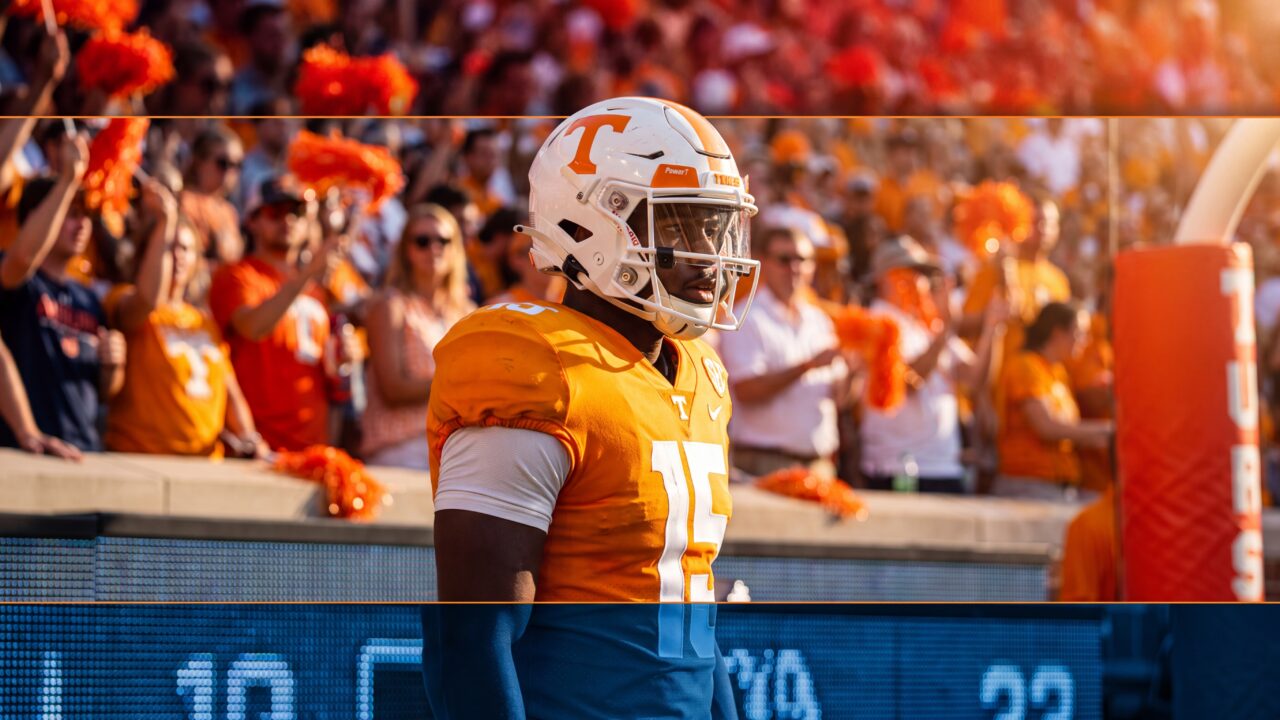
Tennessee Volunteers vs Auburn in Game 5 presents a lineup test that will reveal whether the Vols’ midseason corrections have taken root and which units will carry Knoxville through October. The result carries immediate implications for divisional momentum and the narrative around Tennessee’s ability to control tempo against an aggressive SEC opponent.
Local beat chatter has centered on execution in crucial micro‑phases — third downs, red‑zone defense and special teams leverage — and how Tennessee answers schematic pressure rather than simply on raw talent mismatches. This is a game that rewards detail work at the line of scrimmage and disciplined situational play.
Key Takeaways
- Tennessee must sustain drives and limit negative plays to tilt the time‑of‑possession battle in Game 5.
- Edge protection and quick decision‑making from the quarterback will determine whether the Vols can exploit Auburn’s pressure packages.
- Linebacker communication and tackling discipline will be decisive for Tennessee’s defense in short‑yardage and intermediate coverage spots.
- Special teams field position and turnover avoidance will have an outsized impact on the final result.
How Tennessee offense matches up with Auburn
Tennessee’s offensive identity will be built around play sequencing and situational clarity: convert early third‑downs, keep the chains moving, and use play‑action to stress the second level. When the Vols can get to manageable third downs, Auburn is forced to defend more horizontally and the intermediate passing game becomes playable.
Protection at the edges is the practical matchup to watch. Auburn’s front will try to create free rush lanes through stunts and timed blitzes; Tennessee answers by sliding protection, using quick game concepts and manufacturing release windows for tight ends and backs in the flat.
Personnel usage matters. When Tennessee brings athletic tight ends and two‑back sets, it forces Auburn’s front into conflict: defend the run and expose seams over the middle, or honor the intermediate passing game and risk getting pushed at the point of attack. The Vols need crisp route combinations that create high‑percentage throws under duress.
Run game structure should complement the passing plan rather than compete with it. On early downs, schemes that secure the edge and produce consistent yardage remove third‑and‑long scenarios that invite aggressive pressure. That in turn keeps tempo under Tennessee’s control and reduces variance from special teams swings.
Play‑calling balance will be a theme. Short, controlled drops paired with misdirection and tempo changes can win small advantages; the Vols will benefit most when they prioritize ball security and create manageable down‑and‑distance scripts that force Auburn to defend across the whole field.
How Tennessee defense needs to adjust for Auburn
Defensively, Tennessee must emphasize gap integrity and disciplined angles to handle Auburn’s lateral stress and tempo shifts. Overpursuit or missed assignments on crossing concepts will turn three‑and‑outs into sustained opponent drives.
Communication between the secondary and linebackers is paramount against rub routes, pick concepts and motion that Auburn uses to manufacture mismatches. Tennessee’s back seven should prioritize assignment clarity on every snap to prevent handoffs from becoming free release patterns.
In short‑yardage and goal‑line situations, Tennessee’s front needs to play with leverage and maintain forcing f‑technique discipline; those micro‑wins flip fourth‑down decisions and field position. Situational tackling fundamentals will be the difference between a field goal and a turnover or short field for the opponent.
Selective pressure will be more effective than constant blitzing. By disguising rushers and generating late‑arriving pressure, Tennessee can funnel plays into its strength — disciplined tackling and coverage — rather than exposing secondary mismatches with aggressive schemes that leave the middle of the field vulnerable.
Special teams alignment and kickoff coverage also play into defensive strategy; avoiding starting drives inside the 25 frees the front seven from short‑field stress and reduces the opponent’s margin for error on third down.
Tennessee Volunteers vs Auburn season context
| Category | Tennessee Volunteers | Auburn Tigers |
|---|---|---|
| Primary narrative entering Game 5 | Seeking consistency after early adjustments and trying to establish a steady offensive identity. | Positioned as a physical conference challenger focusing on pressure and special teams swings. |
| Returning starters and depth notes | Key groups have been tested for depth; health and unit cohesion remain focal points for the staff. | Front‑seven rotation and situational offensive weapons provide matchup flexibility across drives. |
| Recruiting and roster momentum | Local recruiting wins and development pathways are framed as long‑term foundations while current minutes are used to evaluate future roles. | Recruiting emphasis centers on trench play and athleticism to support a rugged conference schedule. |
| Game‑plan priorities | Control tempo, win the line‑of‑scrimmage, and avoid turnovers to sustain offensive drives. | Create pressure, force quick decisions, and use special teams to tilt field position. |
SEC standings and CFP path for Tennessee
Game 5 serves as a midseason pivot for Tennessee’s SEC positioning; a clear win reinforces divisional credibility and preserves key résumé items for selection committees, while a loss complicates tiebreaker scenarios and adds pressure to the remaining slate. The margin of victory is less important than the manner of play — consistent, low‑error football carries measurable value in league assessments.
NIL optics, roster momentum and recruiting conversations are all influenced by results in high‑visibility conference games, and local reports have picked up on those narrative shifts as prospects and donors take cues from on‑field performance, as detailed by roundtable.io in their coverage.
From a CFP perspective, Tennessee’s path still depends on a strong conference record and a handful of signature wins to offset any blemishes. Each SEC matchup now has amplified weight for strength‑of‑schedule and perception; winning Game 5 keeps the Vols in durable contention, while dropping it increases the premium on the remaining schedule to produce statement results.