NASHVILLE—The three players at the center of this story are not typical college athletes. Vanderbilt ROTC obligations, heavy academic loads and SEC practice windows collide in a daily grind that reshapes how these Commodores train, travel and prepare.
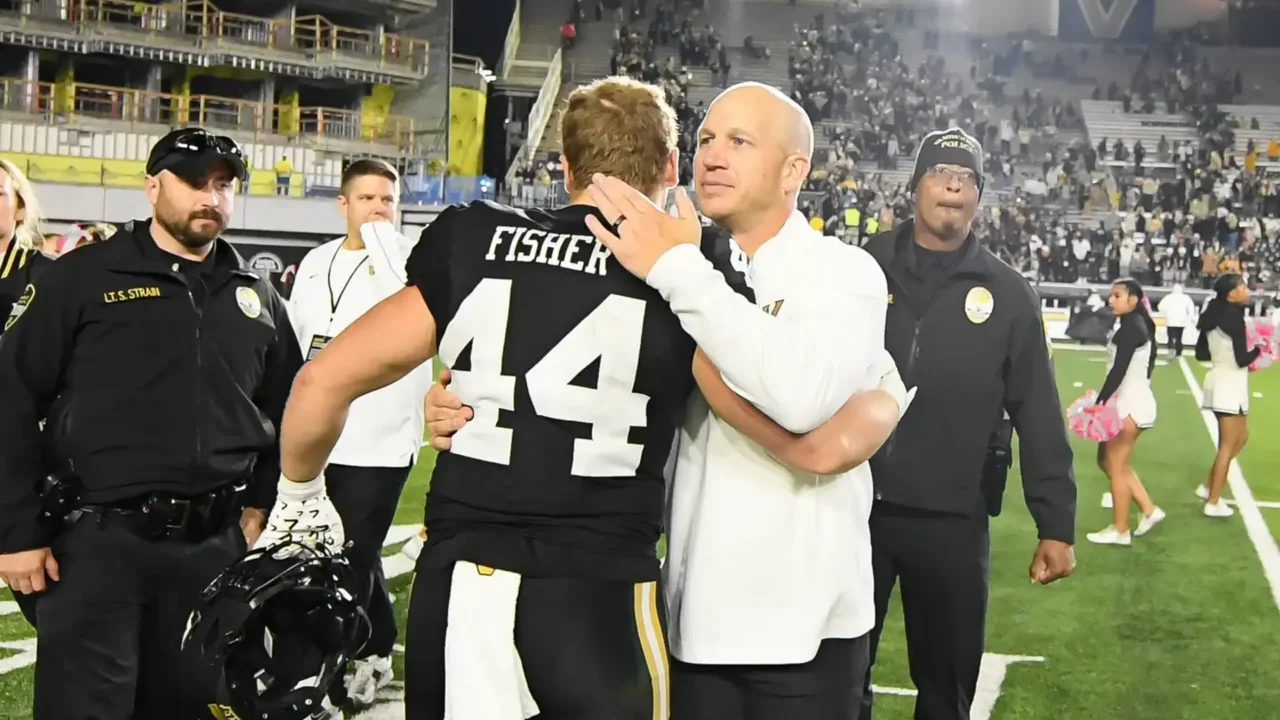
Gabe Fisher, Max Fisher and Elijah Rooney move between early-morning fitness testing, morning practice, classrooms and ROTC labs around town; the original feature that informed this reporting is from the primary source Vanderbilt Commodores and profiles how those demands play out across a week in Nashville.
Key Takeaways
- Three Vanderbilt players — Gabe Fisher, Max Fisher and Elijah Rooney — are enrolled in Army ROTC while remaining on the football roster.
- Cadet summer training and semester field training exercises create multiweek absences and recurring day-of scheduling impacts that affect practice availability.
- ROTC training includes three-hour Army Fitness Tests with deadlifts, pushups, plank holds and a two-mile run, plus shooting tests, obstacle courses and leadership evaluations.
- Coaches on staff accommodated the Fishers’ and Rooney’s training absences, and players describe ROTC as a leadership and conditioning benefit on the field.
Vanderbilt ROTC and the weekly grind
Gabe Fisher’s typical Thursday captures the juggling act: a 4:30 a.m. wakeup for mandatory fitness work, morning practice, a quick bike ride to a statistics exam, another class, then a hands-on ROTC lab at Edmond Warner Park. Those routines repeat across the semester and require strategic time management between film, lifting and classwork.
Gabe rides his bike from the indoor facility to campus and then to ROTC drills, often still taped from practice when he pedals away. His brother Max and tight end Elijah Rooney share similar rhythms and say the structure is a major reason they were able to get to Vanderbilt and remain on the roster.
How cadet summer training and FTXs affect availability
Both Fishers attended cadet summer training at Fort Knox in their final ROTC year, a month-long commitment that serves as a culminating exam for the program. The training block includes fitness tests, shooting tests, obstacle courses, a leadership test and 11 days in the field, and it removes players from offseason work for extended stretches.
Missing a month for summer training makes returning to football conditioning a challenge, players said, though coaching staff accommodated those absences rather than penalize them. The semester also brings once-a-semester field training exercises at Fort Campbell that can interrupt practice windows and conditioning cycles.
Training and season timeline comparison
| Obligation | Typical ROTC demands | Typical team demands |
|---|---|---|
| Cadet summer training | Month at Fort Knox with fitness, shooting, obstacle courses and 11 days in the field. | Offseason skill work, position meetings and strength cycles that feed into fall camp preparation. |
| Army Fitness Test and FTXs | Three-hour AFTs covering deadlifts, pushups, plank holds and a two-mile run; FTXs once a semester at Fort Campbell. | Practices, conditioning sessions and fall camp work that require continuity in reps and recovery. |
| Weekly ROTC labs | Hands-on battle drills and range work scheduled around classes and team practice. | Morning and afternoon practice windows plus film and academic obligations that demand strict timing. |
How ROTC experience shows up on the field
Players describe the mental and physical carryover as a net positive for tackling SEC camp and season demands. Rooney pointed to a touchdown by Gabe after an arduous ROTC week as an example of that gritty mindset translating to game moments.
The three-hour AFTs and repeated field exercises give these players exposure to sustained, high-intensity exertion that few standard position drills replicate. That conditioning, combined with academic rigor, contributes to a leadership profile teammates notice and respect.
Vanderbilt roster construction and recruiting implications
ROTC commitments introduce an added variable for roster planning and depth management, since multiweek summer training or semester FTXs can reduce repetitions available to other players.
Gabe intends to join the Army reserves on the infantry or financial side, Max plans at least four years of active duty with hopes for the engineering regiment, and Rooney is weighing a cybersecurity path that aligns with his academic major. Those plans create authentic recruiting talking points for players considering service and football, and reporting for this piece drew on the linked feature.