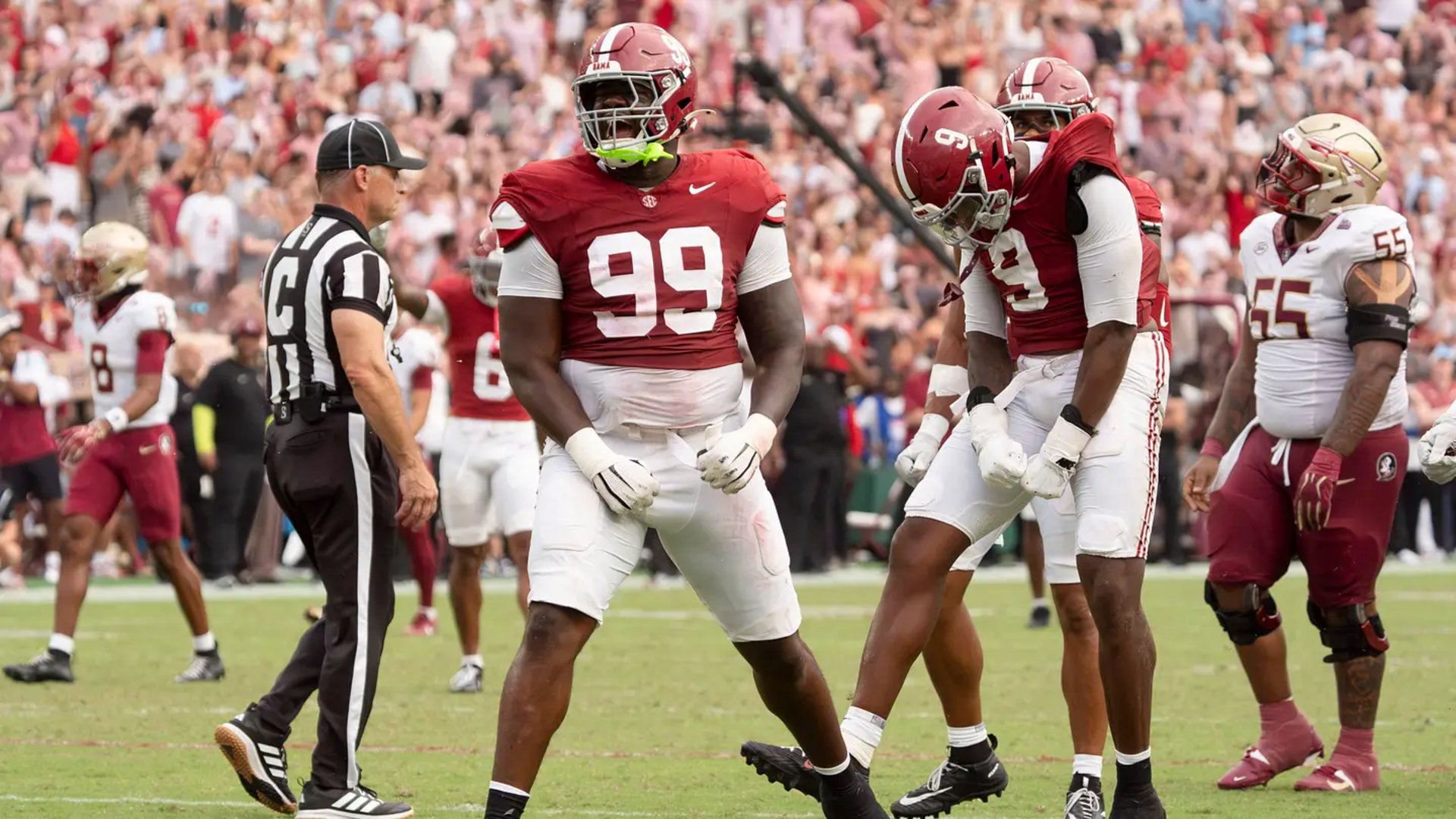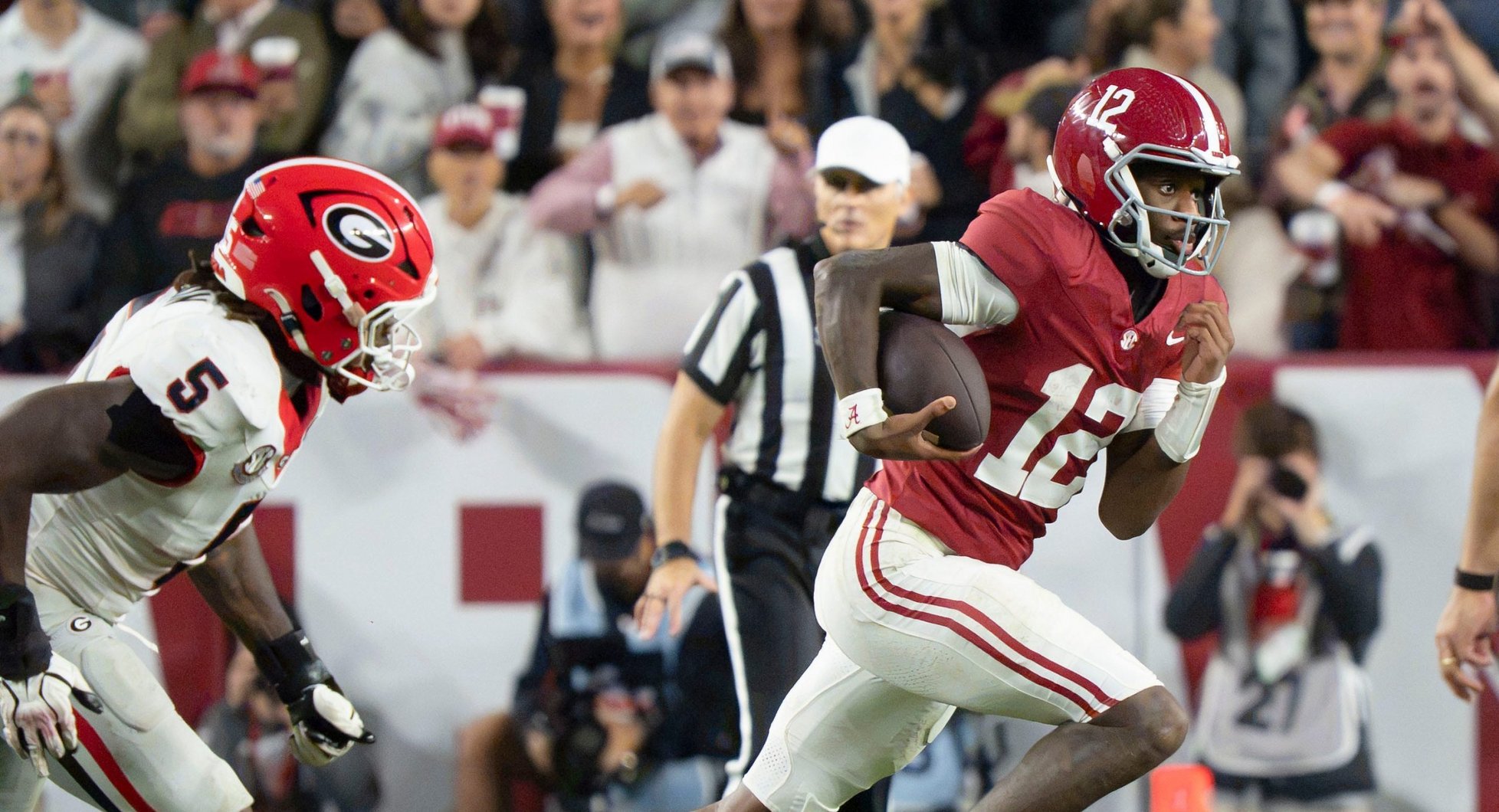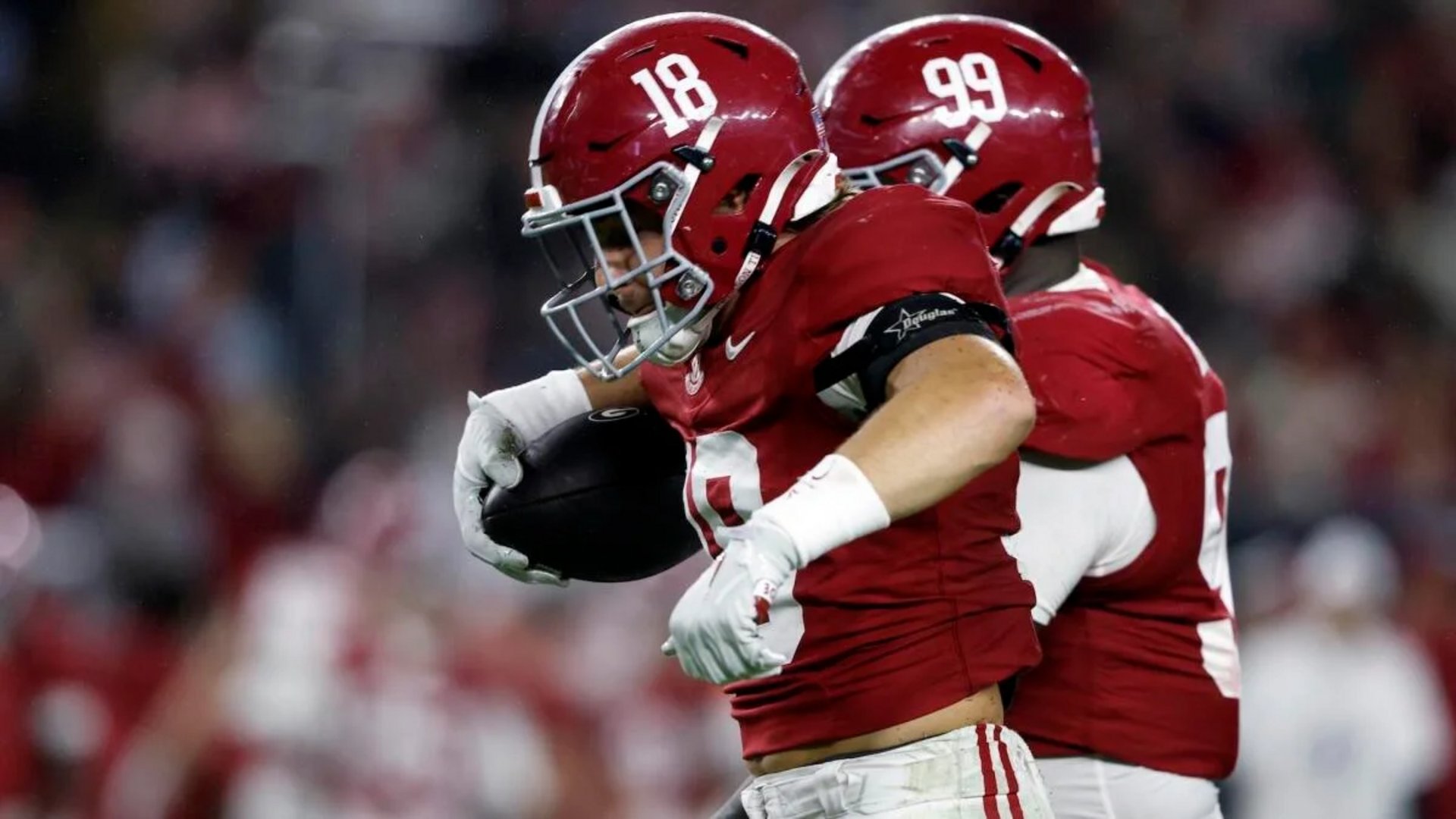
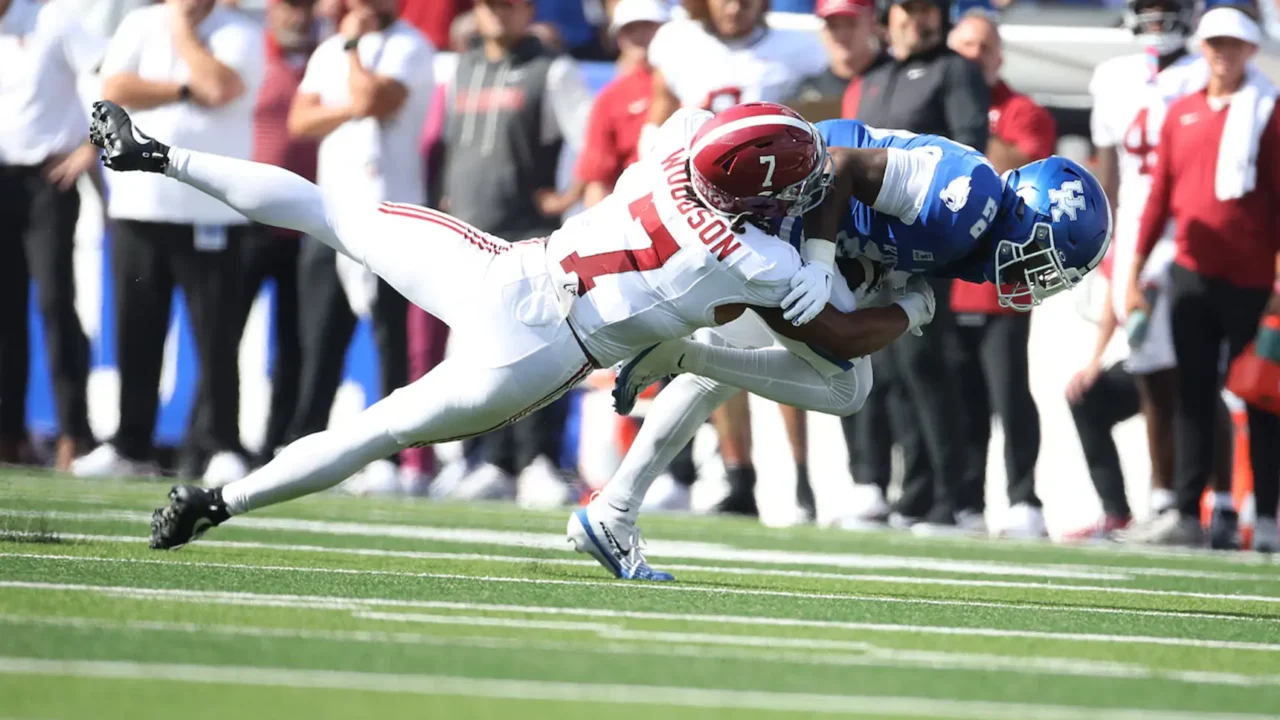
The question of whether the Alabama defense can carry the Crimson Tide in 2026 is more than a headline; it frames roster construction and preseason expectations for a program that has long balanced elite offense with elite defense.
The broader debate is driven by projection rather than box scores, and a recent piece raised the central point that Alabama’s defensive performance may determine how the 2026 season unfolds; read that reporting at AL.com.
Key Takeaways
- Alabama defense will be a primary factor in the Crimson Tide’s 2026 fortunes given uncertainty at other roster areas.
- Continuity in position groups and schematic clarity will determine whether the defense can be consistently dominant against top SEC opponents in the 2026 season.
- Coaching continuity and in-season adjustments will influence how quickly younger players translate potential into reliable production for the Crimson Tide.
Front seven and secondary outlook for 2026
Evaluating the front seven and secondary without detailed roster disclosures means focusing on continuity, returning starters, depth, and schematic fit rather than named contributors.
At the line of scrimmage, a defense that sustains pressure and limits drive length reduces pressure on coverage units; depth and rotation patterns will matter more than individual star plays in a long season.
In the secondary, how quickly younger defenders adapt to game speed and scheme responsibilities will shape coverage calls and game-planning priorities for the staff in 2026.
Coaching continuity and schematic variables for Alabama defense
Coaching continuity is a multiplier: returning position coaches and a consistent scheme compress the learning curve for younger players and can mask turnover at the roster level.
Conversely, schematic adjustments that prioritize different front alignments or coverage mixes will require evaluation early in the season to understand how the defense performs on third downs and in the red zone.
Play-calling balance and in-game flexibility will have outsized effects on outcomes against SEC opponents that present varied offensive profiles over the 2026 schedule.
Defensive continuity and SEC comparison
| Alabama defense | SEC peer baseline | |
|---|---|---|
| Scheme continuity | Staff stability enables quicker integration of younger players and clearer role definitions. | Programs with recent staff turnover typically require a longer ramp-up to settle roles. |
| Depth and rotation | Rotational depth helps sustain pressure and limit fatigue across a long conference slate. | Teams with thinner rotations can see late-game performance drop-offs in back-to-back weeks. |
| Turnover risk | Turnover must be absorbed through experience and schematic clarity to avoid early-season volatility. | Turnover consequences are amplified for teams lacking veteran depth or a clear schematic identity. |
Alabama defense and College Football Playoff implications
At the CFP level, defenses win championships by producing timely stops, limiting explosive plays, and controlling the turnover battle; those factors are decisive for conference championships and committee perception.
Within the SEC race, consistent defensive performance creates margin for offensive growing pains and enhances a team’s ability to navigate a schedule that will include multiple power-conference matchups, and local reporting prompted the central question that frames these considerations.