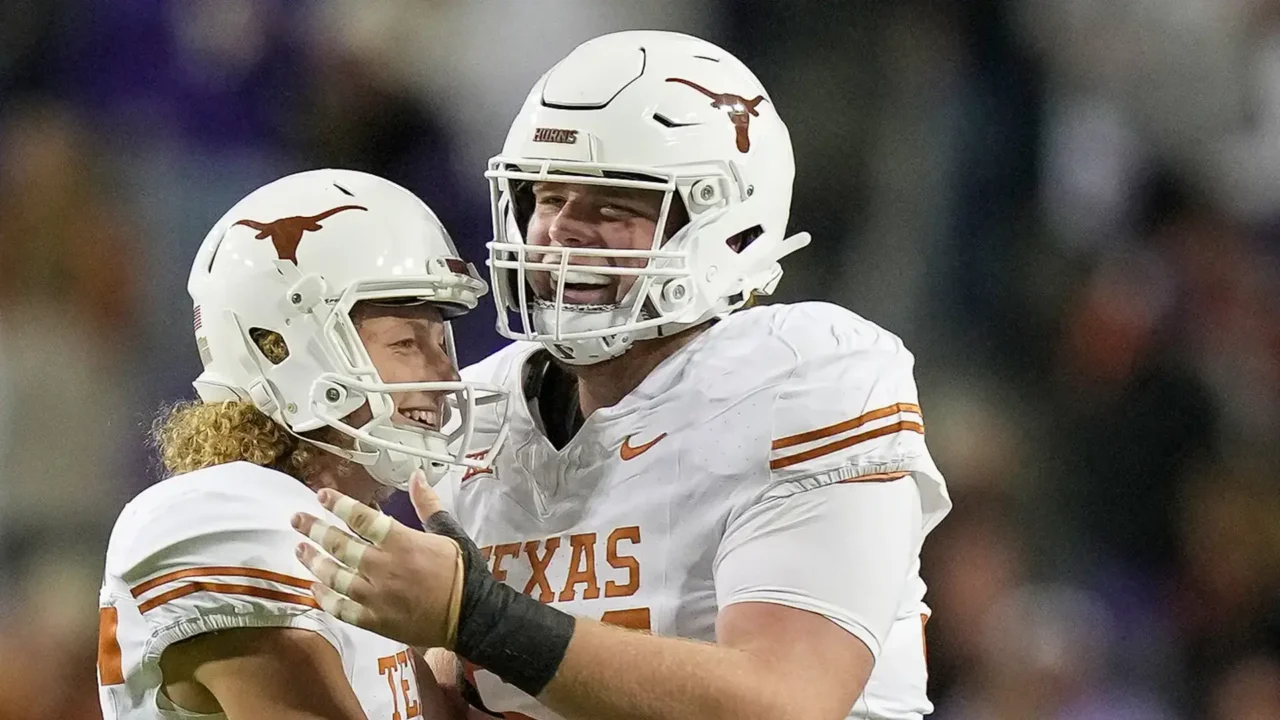
Cole Hutson eligibility is the headline for Texas as the Longhorns returned the veteran offensive lineman to fall camp following a court ruling. The temporary restraining order from Hutson’s lawsuit against the NCAA cleared a legal path for him to rejoin the program this season.
As detailed by Texas Longhorns On SI, Hutson attended rookie minicamps with NFL teams but did not sign a professional contract, and the SEC’s new three-part policy introduced fresh questions about eligibility for players with professional contact.
Key Takeaways
- Cole Hutson’s eligibility appears intact because he participated in rookie minicamps without signing a professional contract and did not formally declare for the NFL draft as an underclassman.
- The SEC’s three-part policy bars athletes who declared for a draft and failed to withdraw, signed a professional contract, or were listed on a professional roster, and the reported facts do not place Hutson in those barred categories.
- The temporary restraining order against the NCAA allowed Hutson to return to Texas while the legal matter proceeds, giving the Longhorns an experienced option on the offensive line for the coming season.
How SEC policy applies to Cole Hutson eligibility
The SEC’s policy is structured as three discrete bars to returning to college competition after professional involvement. Those bars cover declaring for a draft and failing to withdraw, signing a professional contract, or appearing on a professional roster.
On the facts reported, Hutson cleared the contract bar because rookie minicamp invitations are described as tryouts rather than pen-to-paper deals. He attended minicamp tryouts with NFL clubs but did not sign a professional contract, which is the specific trigger the policy bars.
The draft-declaration bar also does not appear to apply because Hutson was a senior and the reporting indicates he did not proceed through an underclassman draft-declaration and withdrawal pathway. That status places him outside the SEC’s specific draft-declaration enforcement track.
The TRO from Hutson’s lawsuit against the NCAA added a legal layer that allowed him to enroll and practice while the litigation continues. While a court order is distinct from conference governance, it functionally permitted his return to Texas football pending further legal developments.
Eligibility context and roster meaning
| Event | Roster meaning |
|---|---|
| Rookie minicamp participation | Invitation-only tryouts; no signed contract reported, so the SEC contract bar is not triggered |
| Undrafted senior status | Senior status eliminated the need to declare as an underclassman, so the draft-declaration/withdrawal bar does not apply |
| Temporary restraining order against the NCAA | Court-ordered relief allowed Hutson to return to college competition while litigation proceeds |
How Hutson’s return affects Texas roster and College Football Playoff hopes
From a roster-construction perspective, Hutson’s presence matters because he brings experience and depth to a Longhorns offensive line group that benefits from veteran continuity. The reporting explicitly notes he could be a major piece even if he projects as a fifth- or sixth-best option up front.
Depth up front carries direct playoff implications because offensive-line availability and rotation are core to sustaining drives and protecting the quarterback across a long season. Adding a seasoned lineman like Hutson increases Texas’ margin for injury and allows coaches more flexibility in game planning.
Recruiting and roster construction also see practical gains because coaches can allocate snaps more deliberately and delay thrusting inexperienced players into high-leverage roles, which helps across SEC competition. The reported facts include Hutson’s minicamp attendance, the lack of a signed contract, and the TRO that allowed his return, all of which shape how coaches manage the offensive line this season.