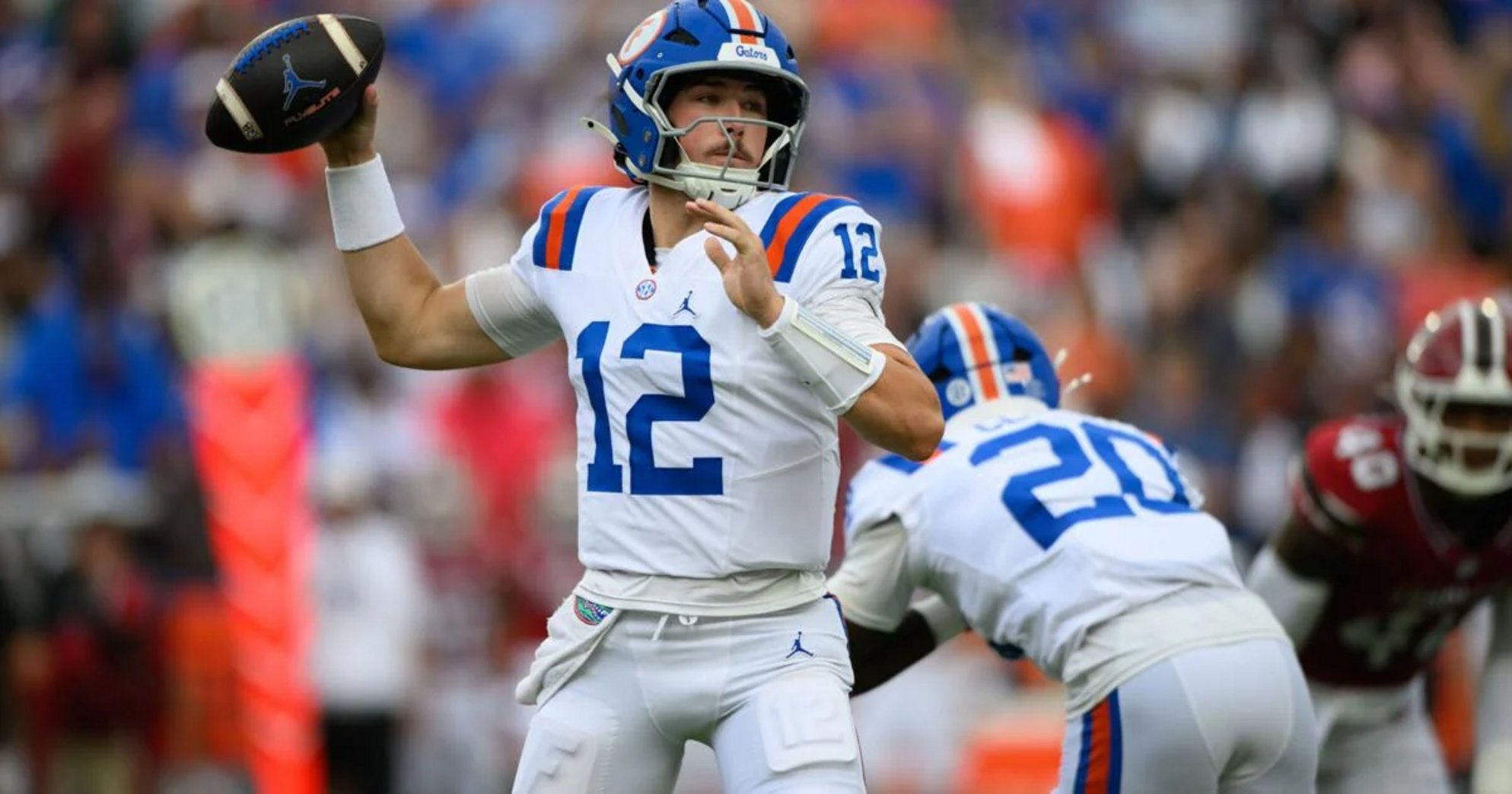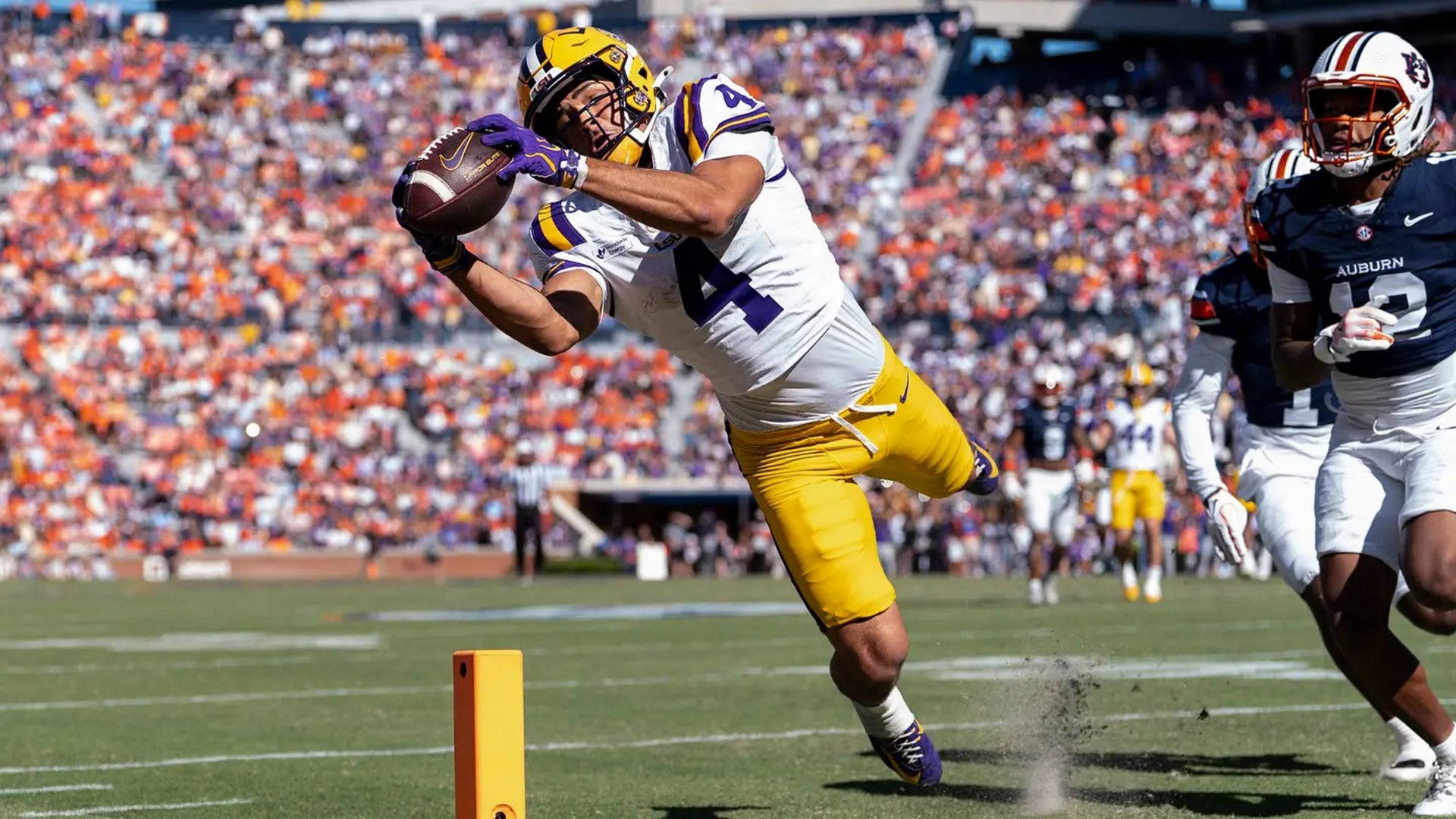

The Texas Longhorns pulled off a dramatic comeback in Austin, rallying from a 20-point fourth-quarter deficit to beat the No. 1 Ohio State Buckeyes 24-23 in a game that will be remembered for its swing and drama.
Despite that on-field result, ESPN FPI rankings elected to move Ohio State back ahead of Texas in the Week 2 shuffle, a change that underlines the difference between a single-game narrative and projection models; the original report is available from Saturday Down South.
Key Takeaways
- Texas rallied from a 20-point fourth-quarter deficit to beat No. 1 Ohio State 24-23 in Austin.
- ESPN FPI rankings moved Ohio State ahead of Texas to reclaim the No. 1 spot after Week 2.
- Eleven SEC teams appeared in the Week 2 FPI top 25, the most of any conference.
- Prediction markets and public perception differed from FPI outputs, highlighting divergent evaluation tools for playoff odds.
Why ESPN FPI rankings moved Ohio State to No 1
ESPN FPI rankings are designed as a season-long predictive model rather than a single-game snapshot, so dramatic wins can be weighed against longer-running assumptions embedded in the projection system.
That means a comeback victory may not be enough to overcome preseason projections, opponent-adjusted factors and the model’s internal prioritization of expected-season performance.
For Texas fans the result matters most on the field; for model watchers and bettors, the flip back to Ohio State underscores how FPI balances game outcomes with broader inputs when setting week-to-week positions.
How prediction markets and projection tools compare to FPI
Prediction markets provided a different snapshot of perceived chances than the FPI ranking order, signaling where bettors and traders placed conviction ahead of raw model rankings.
On Kalshi, the publicly available prediction-market percentages showed Notre Dame at 84 percent and Texas at 77 percent, while Ohio State sat at 74 percent; those marketplace odds reflect crowd expectations and money flow, not the mechanics of FPI.
Both approaches are useful to followers: FPI gives a model-based, season-wide projection, while markets register public sentiment and wagering appetite in real time.
Week 2 FPI top 25 and SEC representation
| Category | Details |
|---|---|
| SEC teams in Top 25 | 11 teams appeared in the Week 2 FPI top 25, the most of any conference |
| SEC teams outside Top 25 | Mizzou (No. 26), Mississippi State (No. 27), Vanderbilt (No. 39), Kentucky (No. 51), Arkansas (No. 77) |
The Week 2 FPI top 25 listed Ohio State, Texas, Notre Dame, Georgia, Miami, Indiana, Alabama, Texas A&M, LSU, USC, Tennessee, Oklahoma, Oregon, Penn State, Florida, Texas Tech, Ole Miss, BYU, Utah, Nebraska, South Carolina, Michigan, Auburn, SMU and Virginia.
The list underscores the SEC’s depth at the moment while also highlighting that five conference programs remained outside the cutoff through Week 2.
FPI shifts and SEC playoff and recruiting implications
For SEC programs, a high count of top-25 entries in a model like FPI helps the conference narrative when the College Football Playoff committee begins its evaluations because models contribute to expectations that influence perception and schedule-strength arguments.
Those perceptions matter on the recruiting trail and in roster construction conversations because projected competitiveness can affect how prospects and staff view program trajectory, even if individual game outcomes produce headlines.
With the FPI showing deep SEC representation, the conference retains leverage in playoff math conversations, but volatility from models and markets means coaches and staffs still need consistent weekly results to secure seeding and access.
This reporting originated with Adam Spencer, who contributed the original Week 2 FPI snapshot and top-25 breakdown.